Guides
How to read a solar-plus-storage bid
A solar-plus-storage bid can look more complicated than it really is. Once you know what each line means, it gets much easier to compare offers, ask better questions, and make sure the written scope matches what you expect for your roof and backup needs.

What should be listed at the top of the bid
Start with the basic project summary. A clear bid should identify the solar system size in kW, the number of panels, the inverter type, and whether a battery is included. It should also name the property address, note any main electrical work that may be needed, and describe the installation area so you know the quote is for your home and not a generic template.
For the battery, look for the usable storage capacity in kWh, not just a product name. The bid should also explain whether the battery is meant for whole-home backup or only selected circuits such as the refrigerator, lights, internet, garage door, and a few outlets. Backup is easier to compare when it is described in real terms, like "essential loads" and estimated hours under typical use.
A good summary often includes:
- Solar size in kW
- Estimated first-year production in kWh per year
- Panel quantity and wattage
- Inverter type: string, microinverter, or hybrid
- Battery capacity in kWh
- Backup scope: whole home or essential loads only
- Main service panel, subpanel, or transfer equipment included
If any of those items are missing, ask the installer to revise the bid in writing. You can also review general background in the guides section before comparing quotes line by line.
How to read equipment, production, and backup details
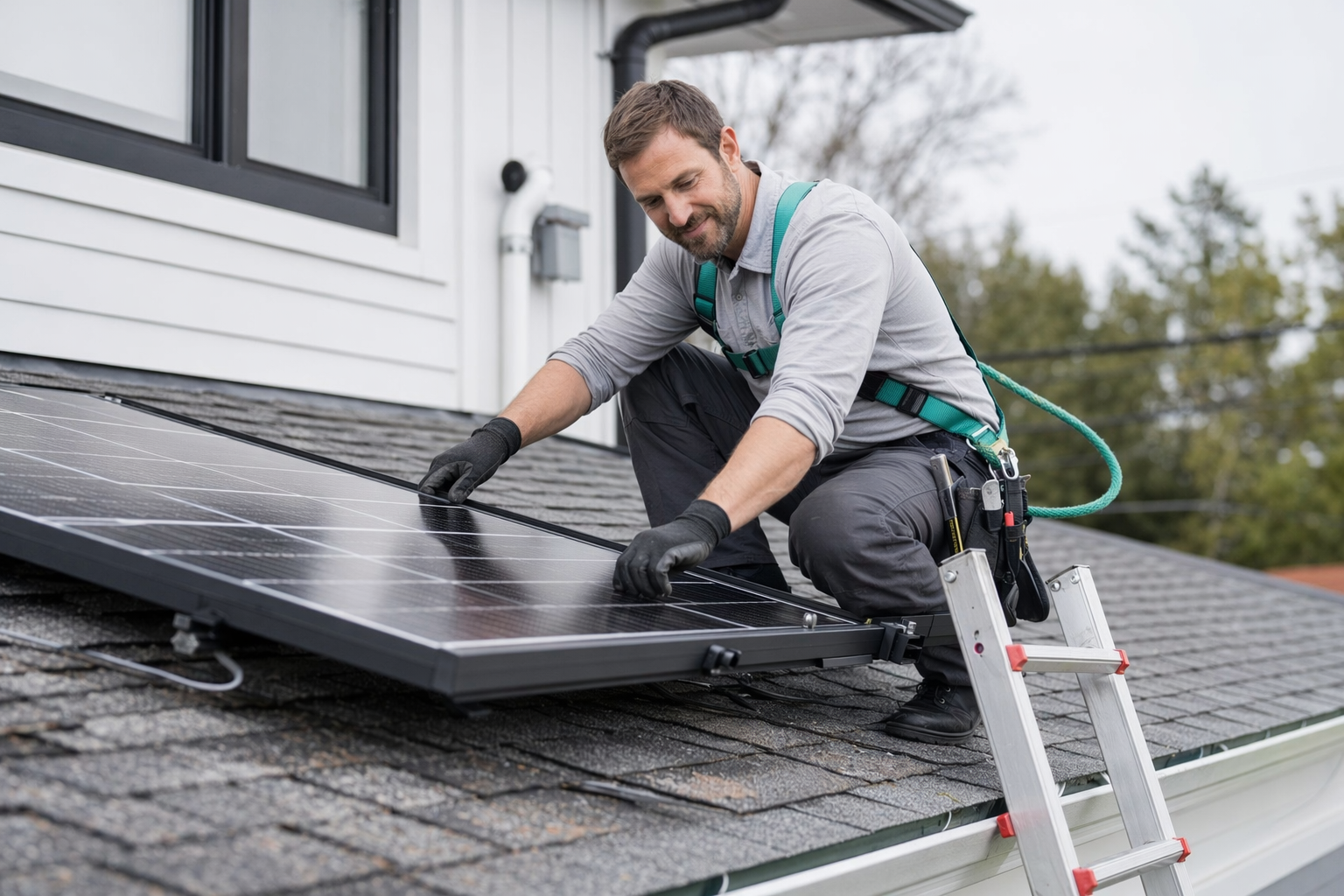
The equipment section should tell you what is being installed, not just that you are "getting solar." Look for panel model family, inverter type, battery size, monitoring, and any add-on electrical components. You do not need to be an engineer, but you do want enough detail to confirm that two bids are quoting similar systems before you compare price.
Production estimates deserve a careful look. Most bids show expected annual energy production in kWh. That number is an estimate, not a promise. Real production depends on roof direction, shading, local weather, equipment layout, and system size. If one bid claims much higher production than another, ask why. The answer might be a better roof layout, but it could also be optimistic assumptions.
For storage, the key question is not just battery size. It is what the battery will actually power and for how long under normal use. A bid should explain whether air conditioning, well pumps, ovens, or electric heat are backed up, since large loads can shorten battery runtime. If backup matters to you, ask for a written list of supported loads and whether the system can recharge from solar during an outage.
If you are still learning the basics of system design, rooftop solar installation can help you understand how roof layout, equipment choice, and electrical setup affect the final proposal.
What the price section should say
The price area should be itemized enough that you can tell what you are paying for. At minimum, it should show the total contract price and identify whether battery equipment, backup panel work, electrical upgrades, permit handling, and monitoring are included. Some bids break this into solar, battery, and electrical scope. Others present a bundled figure. Either way, you should be able to see what is included before you sign.
Be careful with any number that is shown as if it were guaranteed. Final cost can vary based on roof condition, system size, battery capacity, equipment choice, trenching, panel upgrades, code-required work, and local permit rules. If a bid shows projected incentives or financing examples, treat those as illustrations until the installer confirms the details in writing.
It also helps to ask what could change the final price after site inspection. Common examples include:
- Roof repairs or reroofing needed before installation
- Main panel replacement or service upgrade
- Structural reinforcement
- Extra conduit runs or attic access limits
- Changes required by local code or utility review
If you are collecting several bids, compare them on the same basis: similar kW size, similar battery kWh, similar backup scope, and similar electrical work. If you want help reaching licensed local installers, get matched is a free way to start. When you submit a request, you agree to be contacted about your project.
Warranties, exclusions, and what to confirm before signing
Warranties are one of the easiest parts of a bid to skim past, but they matter. Look for separate coverage terms for panels, inverters, batteries, workmanship, and roof penetrations if applicable. The bid should also explain who handles warranty service and whether labor is covered or only equipment replacement. Longer warranty wording is not always better if the scope is vague.
Read the exclusions section just as closely as the included scope. This is where installers often note what is not part of the job, such as roof replacement, drywall repair, painting, internet service, tree trimming, or major electrical upgrades beyond a stated allowance. If an item matters to you, ask for it to be addressed in writing rather than relying on a verbal conversation.
Before you choose, confirm these points in writing:
- Final solar size in kW and estimated production in kWh/year
- Battery kWh and exact backup scope
- Equipment list and any allowed substitutions
- Total price and what can trigger a change order
- Permit, utility, and inspection responsibilities
- Warranty terms for equipment and workmanship
- Installation timeline estimates and milestone payments
- Proof of license and insurance
Voltariva is a free matching service, not an installer. You are the one comparing bids, choosing the installer, and approving the written scope. Pick a licensed, insured local company, verify license and insurance status yourself, and make sure the contract matches what you expect before work starts.

In plain English
Read the bid line by line, compare the same kW, kWh, scope, and warranty details across offers, and get every promise confirmed in writing before you choose a licensed local installer.
Always hire licensed, insured installers — and verify the license, insurance, and warranties yourself.
Common questions
What is the most important number on a solar-plus-storage bid?
There is no single number. Compare the solar size in kW, battery capacity in kWh, backup scope, estimated annual production in kWh, equipment, warranty terms, and total included work together.
Why do two bids with the same kW size have different production estimates?
Production estimates can differ because of roof layout, shading, panel placement, inverter design, and the assumptions used in the modeling. Ask each installer to explain the difference in writing.
Does a bigger battery mean whole-home backup?
Not always. A larger battery can support more load or longer runtime, but whole-home backup depends on your electrical setup and which appliances are included. Ask for a written list of backed-up circuits or loads.
Should I choose the lowest price?
Not automatically. A lower bid may reflect a smaller scope, less backup capability, different equipment, or excluded electrical work. Make sure you are comparing equivalent systems and confirm scope, warranties, and license and insurance details before signing.