Guides
How to size a solar system for your home
Sizing a home solar system is mostly about three things: how much electricity you use, how much usable roof space you have, and what you want the system to do. A good starting point is your past power bills, then you adjust for roof limits, future changes, and whether you also want a battery for backup.
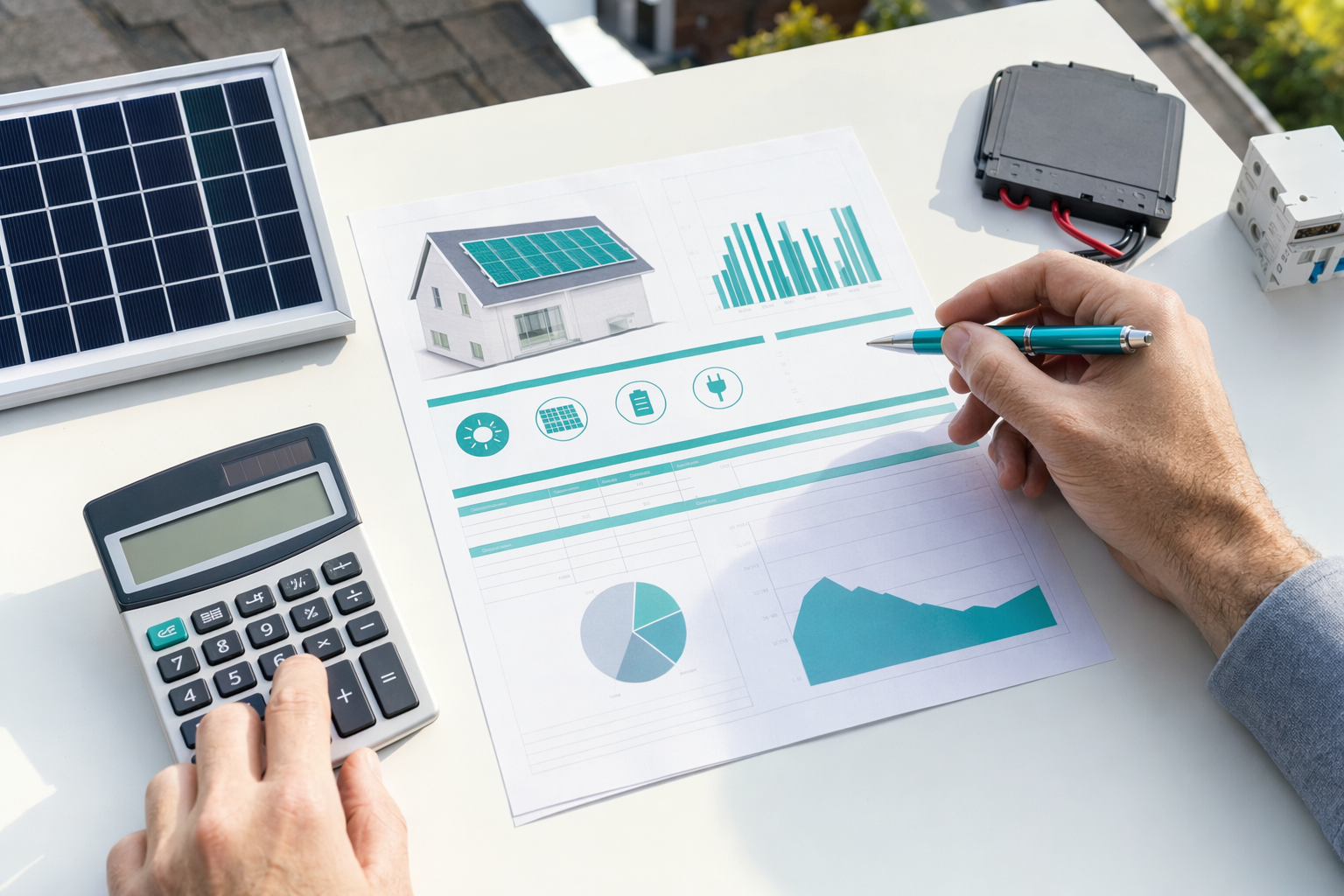
Start with your electricity use
The simplest way to size solar is to look at how many kilowatt-hours, or kWh, your home used over the last 12 months. You can usually find this on your utility bills or in your online utility account. Add the monthly totals together, then divide by 12 to get an average month.
Solar systems are sized in kilowatts, or kW, which describes the system's production capacity, while your bill shows energy used in kWh. To estimate a rough system size, installers compare your annual kWh use with how much sun your area gets and how your roof is positioned. In many parts of the US, a home solar system for a typical house might land somewhere around 4 kW to 12 kW, but the right size depends on your actual usage and site conditions.
Your recent bills matter more than guesswork. If your power use changes a lot by season, include the full year instead of just one month. If you are still learning the basics, our guides can help you get familiar with the terms before you compare quotes.
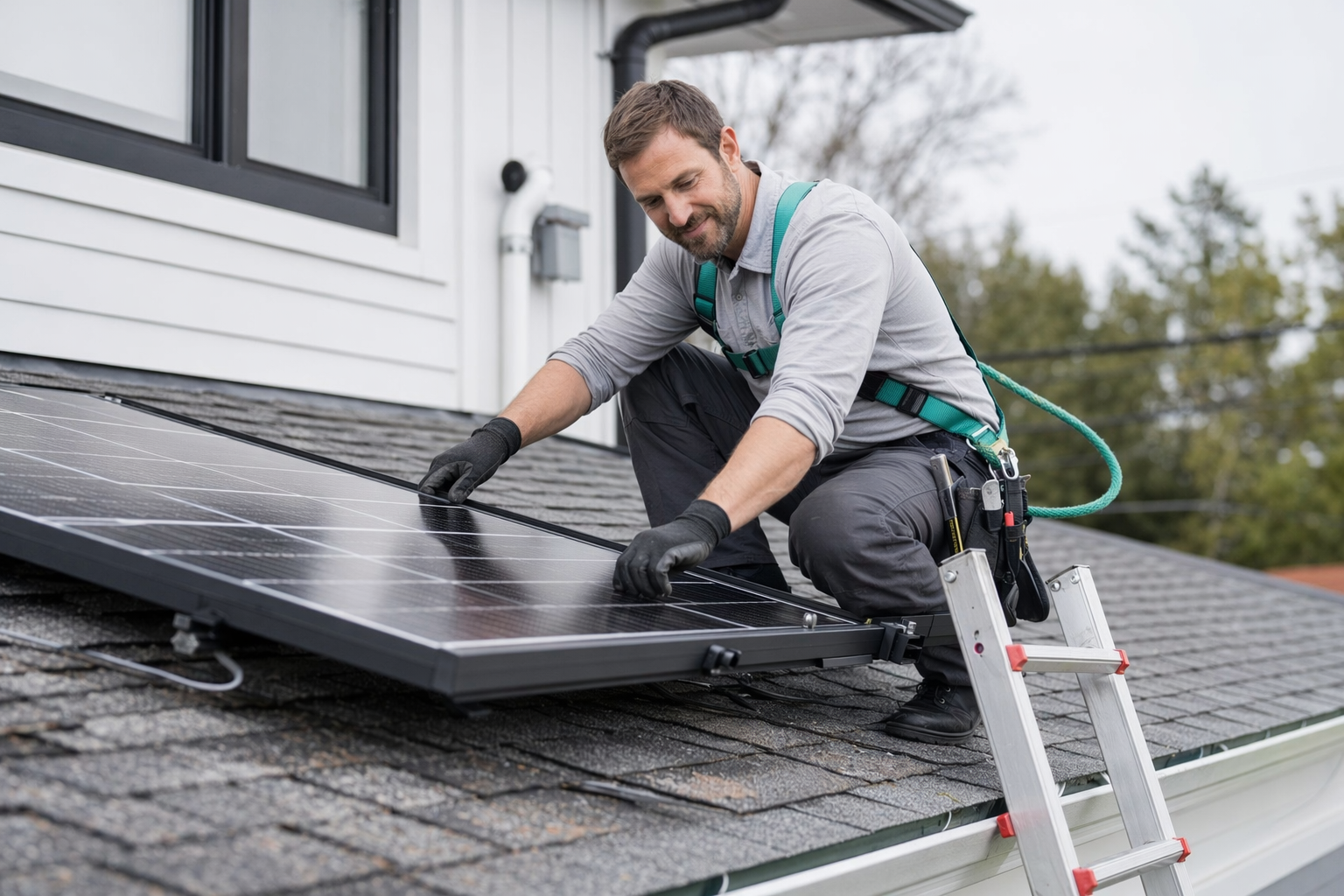
Check roof space, shade, and roof condition
Even if your electric use suggests a certain system size, your roof may set the practical limit. Installers look at usable roof area, shade from trees or nearby buildings, roof pitch, and direction. South-, west-, and east-facing sections can all be useful, but production will vary by layout and location.
Panel count depends on panel size and wattage, so two homes with the same 8 kW target might use a different number of panels. As a rough idea, many systems need a meaningful section of unshaded roof to fit properly, along with setbacks required by local code. This is one reason online calculators can only give broad estimates.
Roof condition matters too. If the roof is near the end of its life, it can make sense to deal with roofing first so panels do not need to come off again later. Voltariva is a free matching service, not an installer, and we do not design or install systems, but we can help homeowners understand whether a roof-readiness conversation should happen before they move forward. You can also read more about rooftop solar installation to see how layout and roof condition affect planning.
Match the system to your goals
Not every homeowner wants the same thing, so there is no single 'correct' system size. One person may want to offset a large share of annual electricity use. Another may want a smaller system that fits a limited roof. Someone else may be planning for future changes, like an electric vehicle, heat pump, or growing household.
It helps to make a short list of goals before talking to installers:
- Cover current usage based on the last 12 months
- Leave room for future electricity use
- Fit within available roof space
- Keep the project simpler if the roof has shade or layout limits
- Add battery backup for certain circuits or essential loads
A larger kW system may produce more energy over the year, but bigger is not automatically better. Local utility rules, roof limitations, equipment choices, and budget all affect what makes sense. The homeowner is the decision-maker here: compare bids, ask each licensed installer to explain the proposed kW size, panel layout, expected production range, and total price, and confirm the final scope, equipment, warranties, and timeline in writing before work starts.
Understand how battery sizing fits in
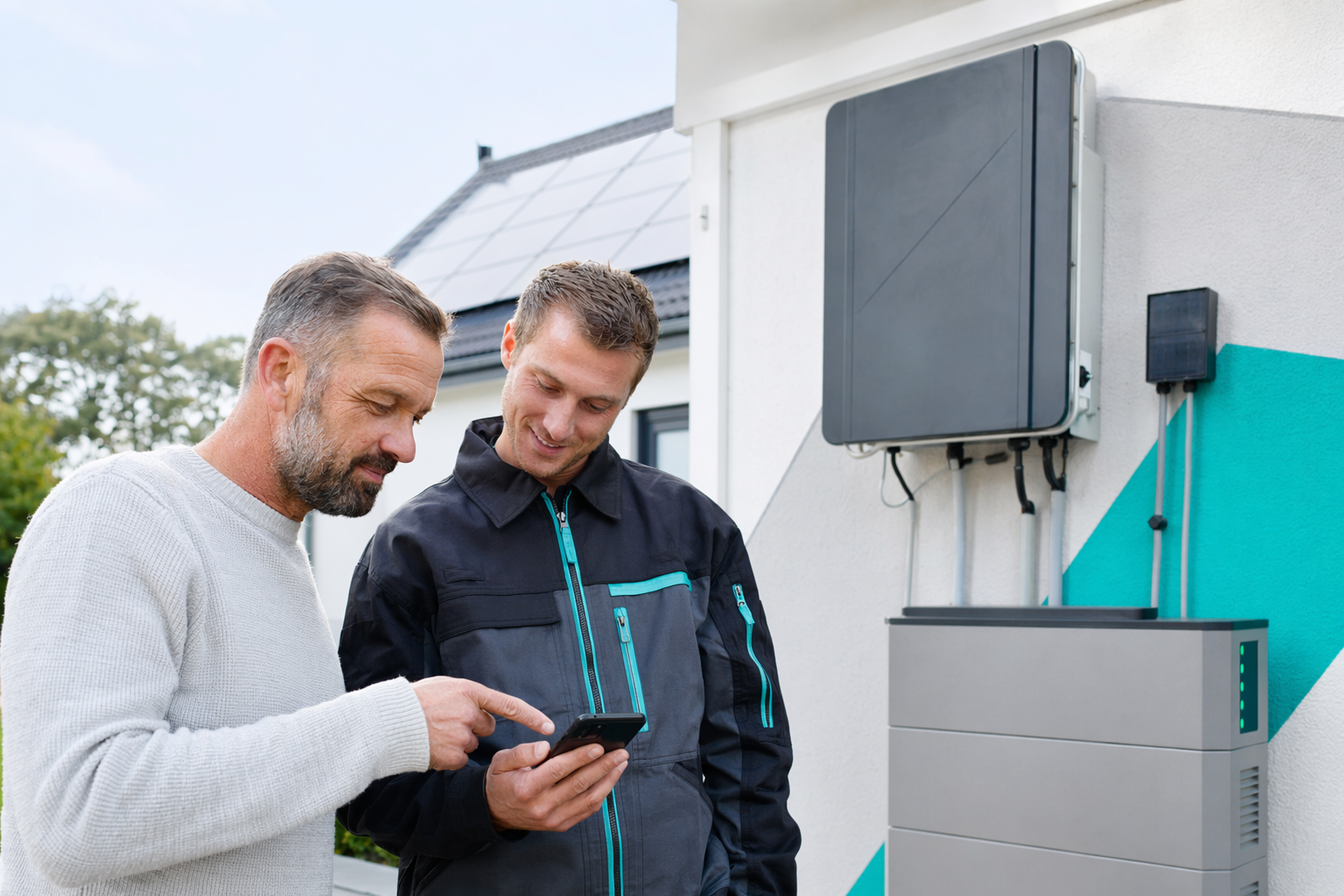
A battery is sized in kWh, not kW. In plain terms, the battery's kWh rating tells you how much energy it can store, while its power rating affects how many things it can run at once. For most homeowners, the practical question is not 'How big should the battery be?' but 'What do I want backed up, and for how long?'
If you only want essentials during an outage, you might focus on items like lighting, internet, refrigeration, a few outlets, and maybe a garage door or medical device. If you want to back up central air conditioning, electric cooking, or larger heating loads, battery needs usually rise. Many home battery setups discussed by installers fall somewhere around 10 kWh to 30 kWh or more, depending on whether you want partial-home or more extensive backup. Backup duration is often described in hours for essential loads, and the real result depends on what is turned on during the outage.
Battery sizing is separate from solar sizing, even though the two can work together. A bigger solar system does not automatically mean a bigger battery, and a battery does not guarantee whole-home backup. Ask installers to show which circuits would be backed up, the battery capacity in kWh, and a realistic backup estimate for essential loads. If you want help getting local quotes to compare, get matched is free, and by submitting a request you agree to be contacted about your project.
In plain English
Use your last year of electric bills to estimate the right solar size in kW, then adjust for your roof, your future plans, and whether you want a battery in kWh for backup.
Always hire licensed, insured installers — and verify the license, insurance, and warranties yourself.
Common questions
How many kW of solar does a typical house need?
There is no one-size-fits-all number, but many homes land somewhere in the roughly 4 kW to 12 kW range. The right size depends on your annual kWh use, roof space, shade, local sun, and future electricity needs.
Can I size solar from one power bill?
You can get a rough idea, but using the last 12 months of bills is better because it captures seasonal changes. That gives installers a more reliable picture of your actual energy use.
How do I know if my roof is big enough?
Usable roof space, shade, roof direction, pitch, and local code setbacks all matter. A licensed local installer can measure the roof and show how many panels can realistically fit.
How much battery capacity do I need?
That depends on what you want to keep running during an outage. Battery capacity is measured in kWh, and installers should explain which circuits are backed up and how many hours of essential-load backup the setup may provide under typical use.