Systems
Solar-ready roof replacement
If your roof is near the end of its life, putting solar panels on first can create extra cost later. A solar-ready roof replacement means checking the roof structure, materials, and layout before panels go on, so the roof and solar plan work together.
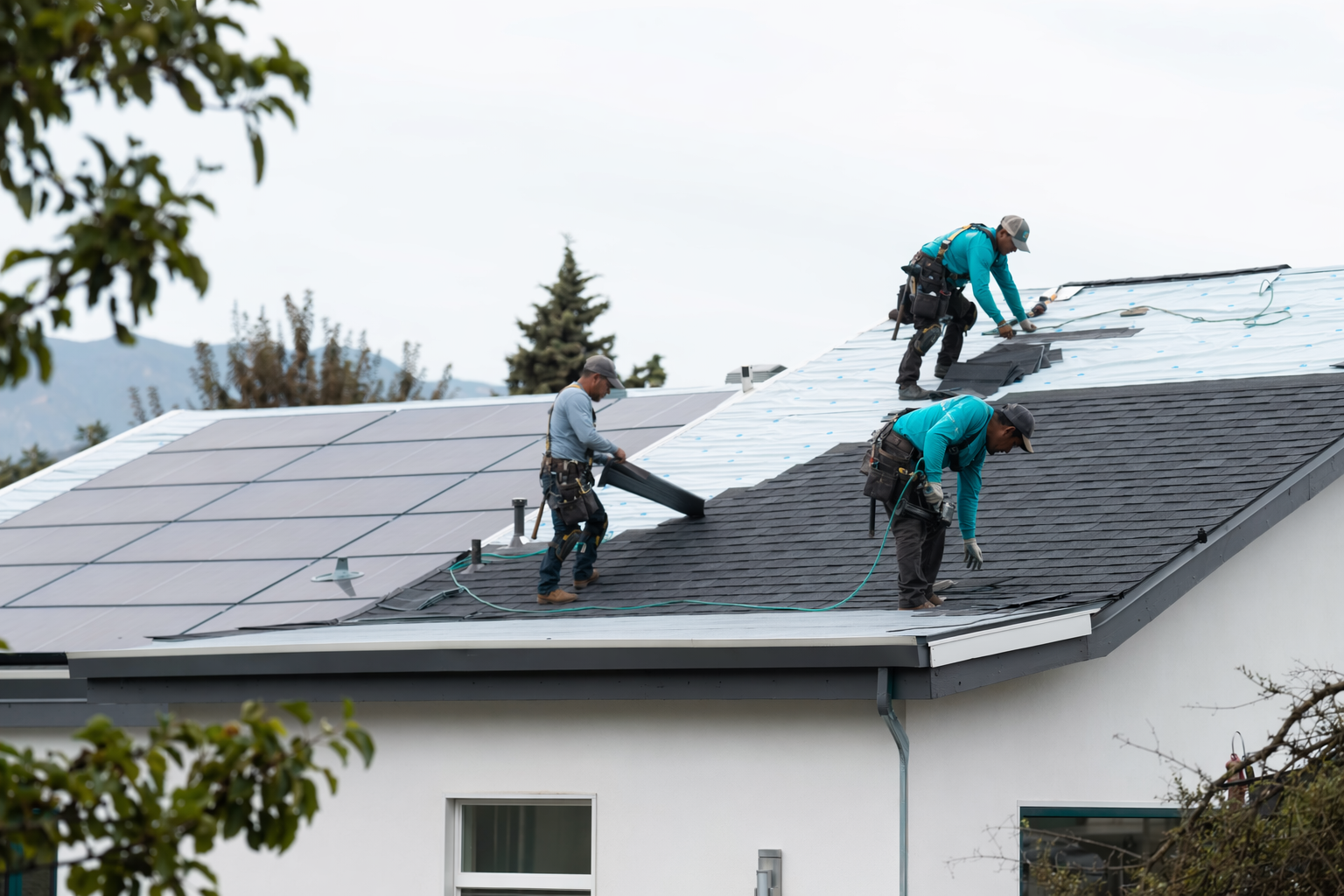
Why roof work sometimes comes before solar
Solar panels are meant to stay in place for many years. If the roof under them needs replacement soon, the panels usually have to come off first and go back on later. That adds labor, scheduling, and risk of delays. For many homeowners, it makes more sense to deal with roofing first when the roof is older or already showing wear.
Common signs a roof may need attention before solar include missing or curling shingles, repeated leaks, soft spots, sagging areas, damaged flashing, or a roof that is already near the end of its expected service life. Age alone does not decide it, but it matters. A newer roof may be fine for solar, while an older one may not be a good base for a long-term panel system.
A solar-ready approach does not mean every home needs a full replacement. Sometimes the right answer is a repair, partial re-roof, or structural fix in a specific area. The goal is simple: make sure the roof is ready for the weight, attachment points, and long service life of a solar system.
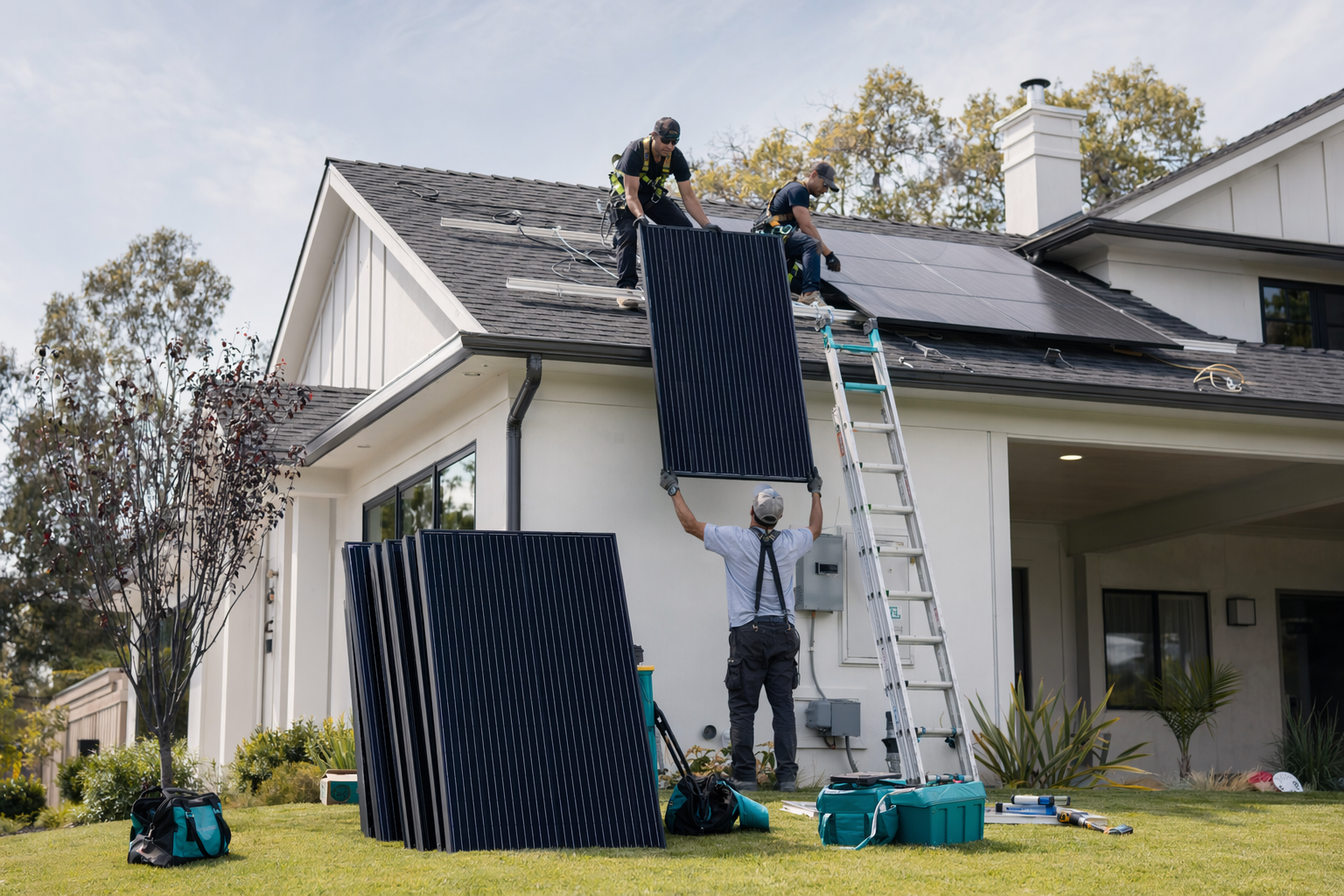
What "solar-ready" usually means
A solar-ready roof is not a special product. It usually means the roof is in good enough condition to support a solar installation without creating obvious problems later. That includes the roofing material, the decking under the shingles, the structural framing, and the parts of the roof where attachments will be installed.
Roofers and solar installers often look at a few practical things:
- Roof age and remaining life
- Shingle or roofing material condition
- Decking condition, including any soft or water-damaged areas
- Framing and load concerns, especially on older homes
- Roof layout, including valleys, vents, chimneys, skylights, and shaded sections
- Available space for the system size you may want, often measured in kW
If you are also considering battery backup, it helps to think about the whole project early. The battery itself is measured in kWh, and the backup time depends on what you want to run during an outage. A modest battery may cover essentials for a limited number of hours, while a larger setup can support more loads for longer. You can read more about system basics at systems.
Benefits of coordinating roofing and solar
When roofing and solar are planned together, the work is often cleaner and easier to manage. The roof crew can address problem areas before attachments are installed, and the solar installer can design around the final roof layout instead of guessing what will stay or change.
That coordination can help reduce avoidable rework. For example, if a homeowner replaces a roof first and then installs solar a few months later, the solar team is working on a fresh roof with known conditions. If solar goes on an old roof and the roof fails earlier than expected, panel removal and reinstallation may be needed before the system is old.
It can also improve communication about details that matter later, such as attachment locations, flashing methods, pathways for fire code access, and where electrical equipment may go. None of that guarantees a lower overall cost, but it can reduce confusion and help you compare proposals more clearly.
Voltariva is a free matching service. We do not inspect, design, sell, finance, or install roofing or solar. We help homeowners understand the moving parts and, if requested, connect with licensed local installers so the homeowner can compare options at no cost.
What to ask before you sign anything
Before you move forward, ask each company to explain the roofing scope and the solar scope in writing. If different companies are involved, ask who is responsible for scheduling, permits, attachment details, weatherproofing, cleanup, and warranty questions if something leaks or needs adjustment later.
A few good questions to ask are:
- Is the current roof suitable for solar as-is, or do you recommend repair or replacement first?
- If roofing work is needed, is it full replacement or a targeted repair?
- Will damaged decking be replaced if found after tear-off, and how is that priced?
- What system size in kW are you proposing, and why does it fit this roof?
- If a battery is included, what capacity in kWh is proposed, and roughly how many hours could it support essential loads?
- What product warranties and workmanship warranties apply, and who handles service?
- Are you licensed and insured for the work you are performing?
It is reasonable to get more than one quote. Compare materials, equipment, exclusions, warranty terms, and the written scope, not just the top-line number. Actual pricing can vary widely based on roof size, pitch, material choice, decking repairs, system size, battery size, local labor, and incentives. For general pricing context, see costs.
How Voltariva can help
If you are not sure whether to repair the roof, replace it, or move ahead with solar first, you are not alone. Many homeowners need help sorting out the order of work. One homeowner, for example, thought they were ready for a mid-size solar system, but two local companies pointed out aging shingles and some decking concerns on the sunniest roof plane. After reviewing options, the homeowner chose to handle the roof first and then compare solar proposals for the updated roof.
That is where Voltariva fits in. We give plain-language guidance and help homeowners connect with licensed local installers for solar and related project discussions. Matching is free. When you submit a request, you agree to be contacted about your project. You can then compare bids, ask questions, and decide whether any installer is the right fit.
You stay in control of the decision. Check licenses and insurance, confirm equipment and scope in writing, and make sure you understand roofing responsibilities, solar responsibilities, warranties, and final price before work starts. If you want to begin comparing local options, you can start at get matched.
In plain English
If your roof may not last as long as the solar panels, it is worth checking the roof first so you can avoid extra work later.
Always hire licensed, insured installers — and verify the license, insurance, and warranties yourself.
Common questions
Should I replace my roof before installing solar?
Maybe. If the roof is older, leaking, or near the end of its service life, replacing it first can help avoid paying later to remove and reinstall panels.
Can solar go on any roof?
No. Roof condition, layout, shading, structural strength, and available space all matter. Some roofs need repair or replacement before solar makes sense.
Does a solar-ready roof cost more?
It depends on the roof condition and scope. Costs vary by material, tear-off needs, decking repairs, roof size, pitch, and local labor. Get written quotes and compare the full scope.
What does Voltariva do?
Voltariva is a free matching service, not a roofing or solar contractor. We help homeowners understand the project and connect with licensed local installers if they want to compare options.