Systems
Rooftop solar panel installation
Rooftop solar panel installation means putting a solar power system on your home so it can make electricity from sunlight. The basic parts are the panels, the mounting hardware, wiring, safety shutoffs, and an inverter that turns solar power into electricity your home can use.
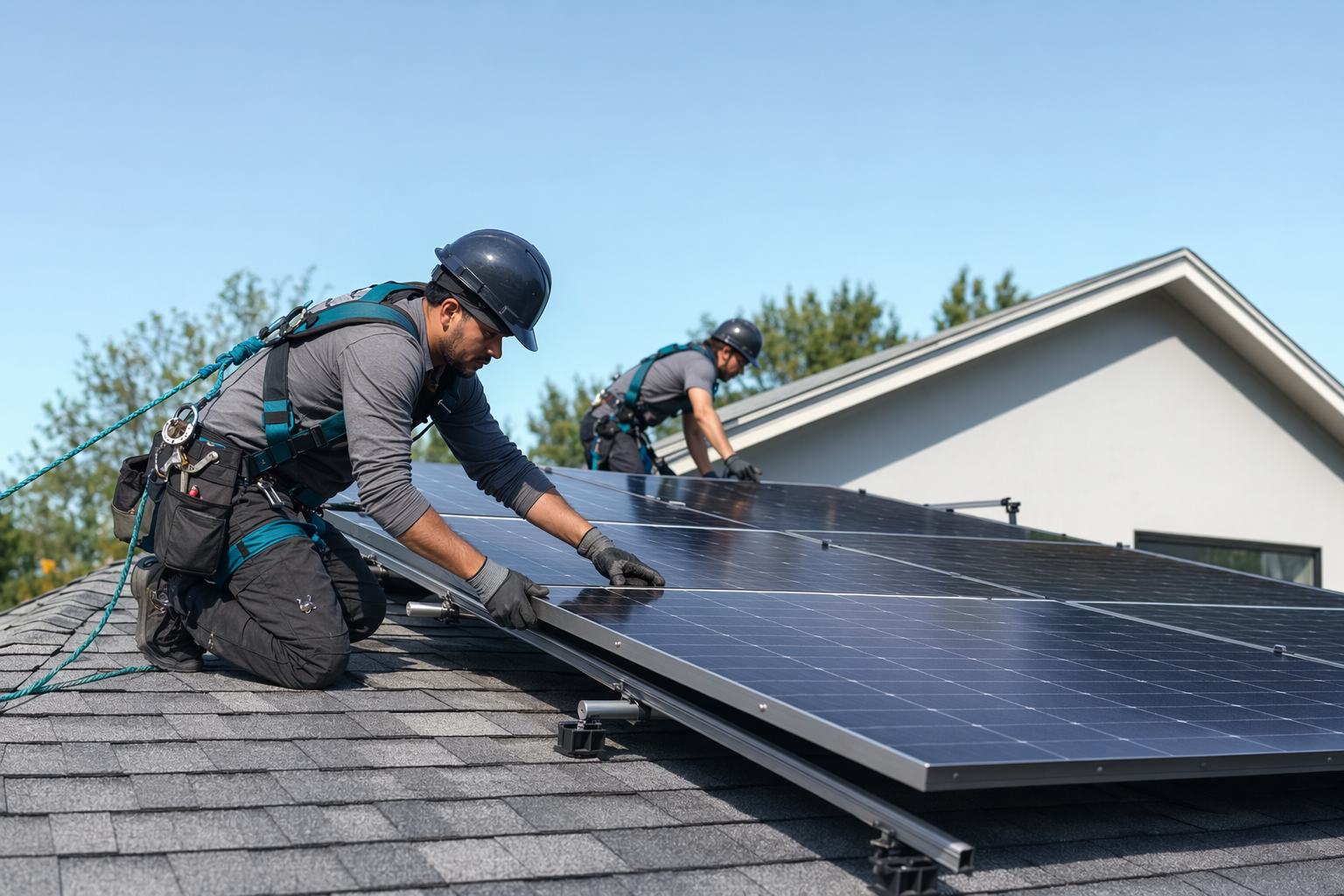
What rooftop solar installation includes
A typical home solar installation starts with system size, usually measured in kilowatts or kW. Many homes land somewhere in the rough range of about 4 kW to 12 kW, but the right size depends on your roof space, sun exposure, electric use, and local utility rules. If you are new to solar, systems can help you understand the main parts.
The installer also chooses how the system will convert power. Some homes use one central inverter. Others use panel-level equipment such as microinverters or optimizers. The goal is the same: turn the electricity made by the panels into power your home can use safely.
A standard rooftop project usually includes:
- Solar panels
- Roof mounting and flashing
- Inverter equipment
- Electrical wiring and shutoffs
- Permit paperwork
- Utility interconnection documents
- Final inspection and system activation
If you want backup during outages, you may also look at a home battery. Battery capacity is measured in kilowatt-hours, or kWh. A battery does not power everything forever. It is usually sized to run selected essentials for a certain number of hours.
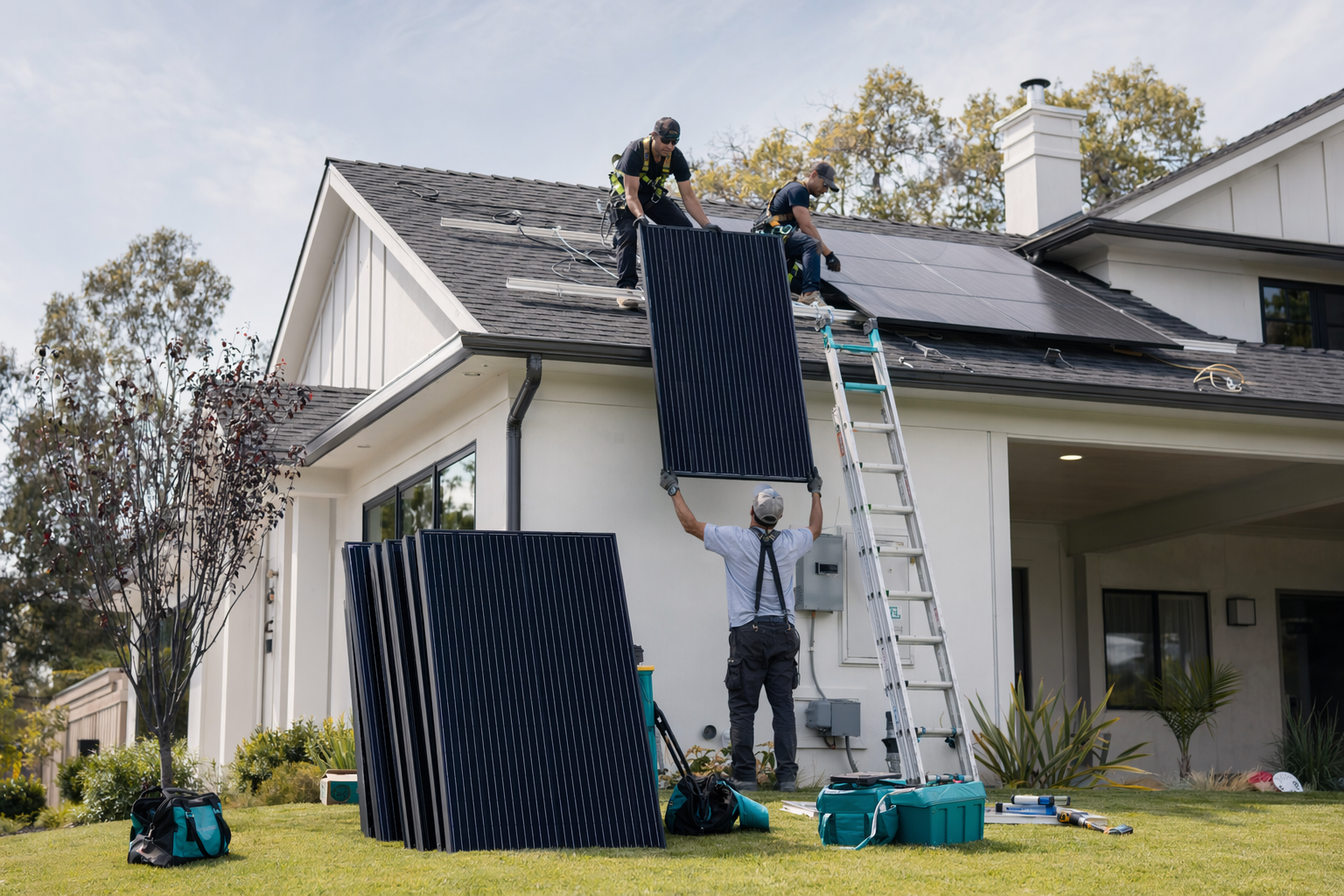
How installers decide if your roof is a good fit
Before any panels go up, a licensed installer should look at whether your roof is ready. They check the roof's age, condition, layout, pitch, shading, and available space. A roof that is worn out or close to replacement age may need attention first, because removing and reinstalling panels later adds cost and hassle.
They also look at things like vents, chimneys, skylights, and nearby trees that can cast shade. Not every roof plane is equally useful. A roof with long clear sections and strong sun exposure is usually easier to work with than one broken up by many obstacles.
Roof structure matters too. The installer may need to confirm the framing can support the added weight of the mounting and panels. This is one reason it is important to work with a licensed, insured local installer and to ask what roof and structural checks are included.
If your roof is not a good match, that does not always mean solar is off the table forever. It may mean waiting until reroofing is done, trimming shade, or choosing a different system size. The decision should be based on the actual roof, not a sales script.
What happens during the installation process
Most rooftop solar jobs follow the same broad steps. First comes the site review and proposal. Then the installer handles permits and utility paperwork. After approvals, the crew installs the roof attachments, mounting rails, panels, inverter equipment, wiring, and required shutoffs. The city or county usually inspects the work, and the utility gives final permission before the system is turned on.
The on-roof work itself is often done in a day or a few days for a straightforward home, but the full timeline is usually longer because permits, inspections, and utility approval can take time. Weather, roof repairs, service panel upgrades, and local backlog can also affect timing.
During the project, ask the installer to confirm in writing:
- System size in kW
- Estimated annual production range
- Panel and inverter equipment details
- Roof mounting method and flashing details
- Whether electrical upgrades are included
- Whether battery backup is included, and the battery size in kWh
- Workmanship and equipment warranties
- Total price and payment schedule
Voltariva does not design or install systems. We are a free matching service that helps homeowners understand the process and reach licensed local installers so they can compare bids and decide what fits.
What installation costs can vary with
There is no one price that fits every rooftop solar project. Real cost depends on the system size in kW, roof complexity, equipment choices, whether you add a battery, labor conditions in your area, permit requirements, and any electrical or roof work needed first. If you want a broader overview, costs can help you see what changes the numbers.
For example, a simple roof with good access may be easier and less expensive to work on than a steep roof with multiple levels, many roof features, or an older electrical panel that needs upgrading. Battery backup can also add a lot to the project cost, especially if you want more kWh capacity or more backed-up circuits.
That is why it helps to compare multiple written bids from licensed local installers. Look at more than the bottom-line number. Check the equipment list, the system size, what roof or electrical work is included, the warranties, and any assumptions about production or incentives.
Voltariva never promises a specific price, bill result, payback, or installer. Our role is to help you understand the project and connect with local companies so you can review the details yourself.
How to compare installers and use a free matching service
Choosing an installer is not just about who gives the fastest quote. Ask whether the company is licensed and insured in your state or local area, who will actually do the work, whether subcontractors are used, and what happens if roof repairs are found. It is reasonable to ask for license and insurance information and to verify it yourself.
Good questions to ask include:
- What system size in kW are you proposing, and why?
- How many panels will be installed, and where?
- What inverter setup are you using?
- If there is a battery, how many kWh is it, and what loads can it back up for how many hours?
- What warranties apply to equipment, workmanship, and roof penetrations?
- What permits and inspections are included?
- What is excluded from the quoted price?
With Voltariva, matching is free. We help homeowners, including people who are more comfortable in another language, understand rooftop solar, roof-readiness, and battery backup, then reach licensed local installers. If you submit a request, you agree to be contacted about your project. You can get matched and then compare options at your own pace.
You stay in control the whole time. You choose whether to move forward, which installer to hire, and what equipment and scope to approve. Before work starts, make sure the final contract clearly states the system size, equipment, warranties, total price, and any roof or electrical work included.
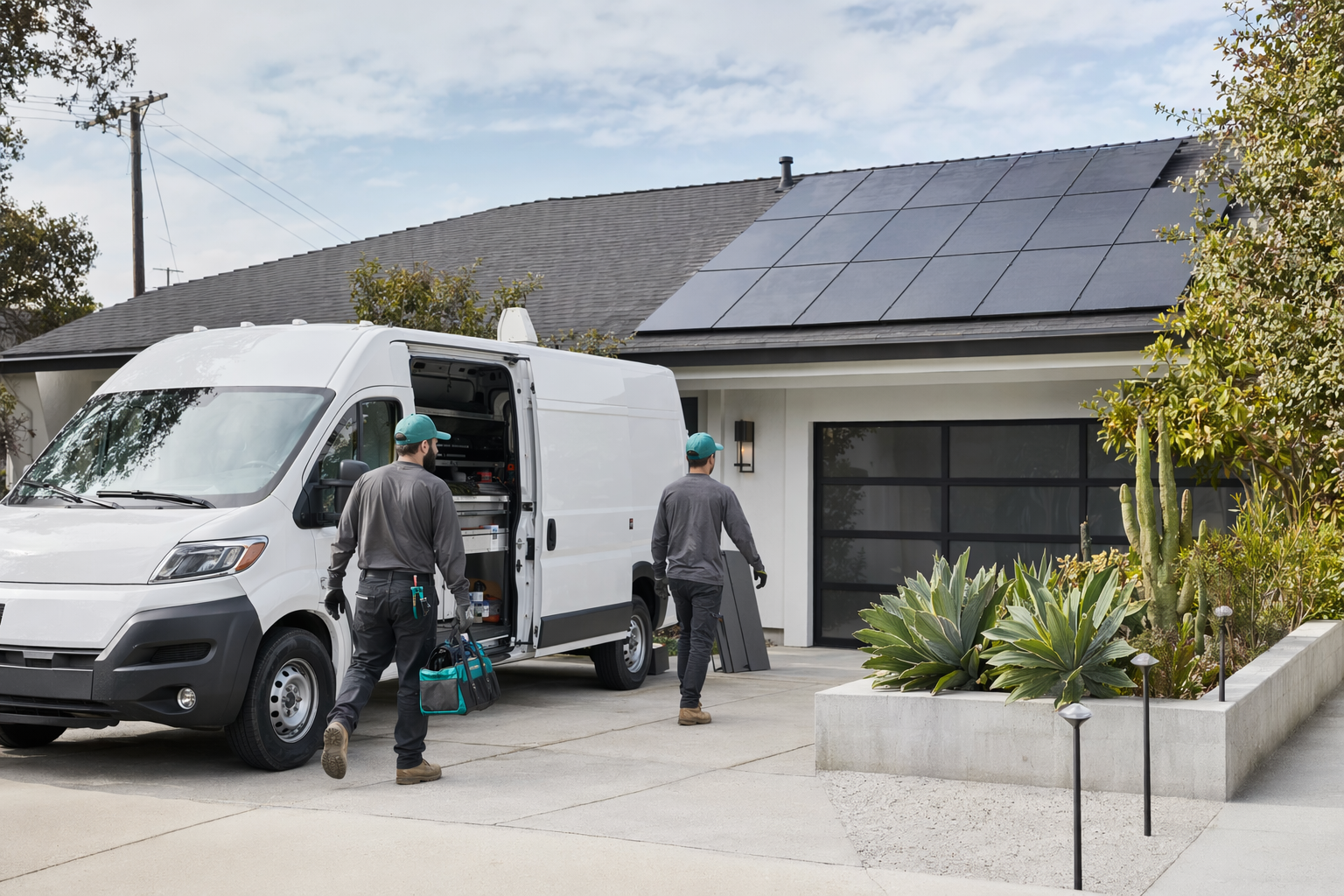
In plain English
Rooftop solar installation is a roof, electrical, and permit project, so the smart move is to compare written bids from licensed local installers and make sure the exact system size, equipment, warranties, and scope are clear before you sign.
Always hire licensed, insured installers — and verify the license, insurance, and warranties yourself.
Common questions
How big is a typical rooftop solar system?
Many homes end up somewhere around 4 kW to 12 kW, but the right size depends on your electric use, roof space, sun exposure, and local rules.
How long does rooftop solar installation take?
The on-site work may take a day or a few days for a straightforward project, but permits, inspections, utility approval, weather, and repair needs can make the full process longer.
Can I install solar if my roof is old?
Maybe, but an older roof often needs careful review first. If the roof may need replacement soon, many homeowners handle that before solar to avoid removing and reinstalling panels later.
Does Voltariva install solar panels?
No. Voltariva is a free matching service that helps you understand the project and connect with licensed local installers. You compare bids, choose the installer, and confirm the final details in writing.