Guides
Going solar vs staying on the grid only
For many homeowners, the real question is not whether solar is “good” or “bad,” but whether it fits the house, the budget, and how long they plan to stay. Staying on grid power only can be simpler, while rooftop solar can lower dependence on utility electricity for some homes. Both paths have trade-offs.
How the two options work day to day
Grid only means your home buys electricity from the utility whenever you need it. There is no solar equipment on the roof, no inverter, and no home battery unless you add one separately. Your setup is simpler, and the utility remains your main source of power.
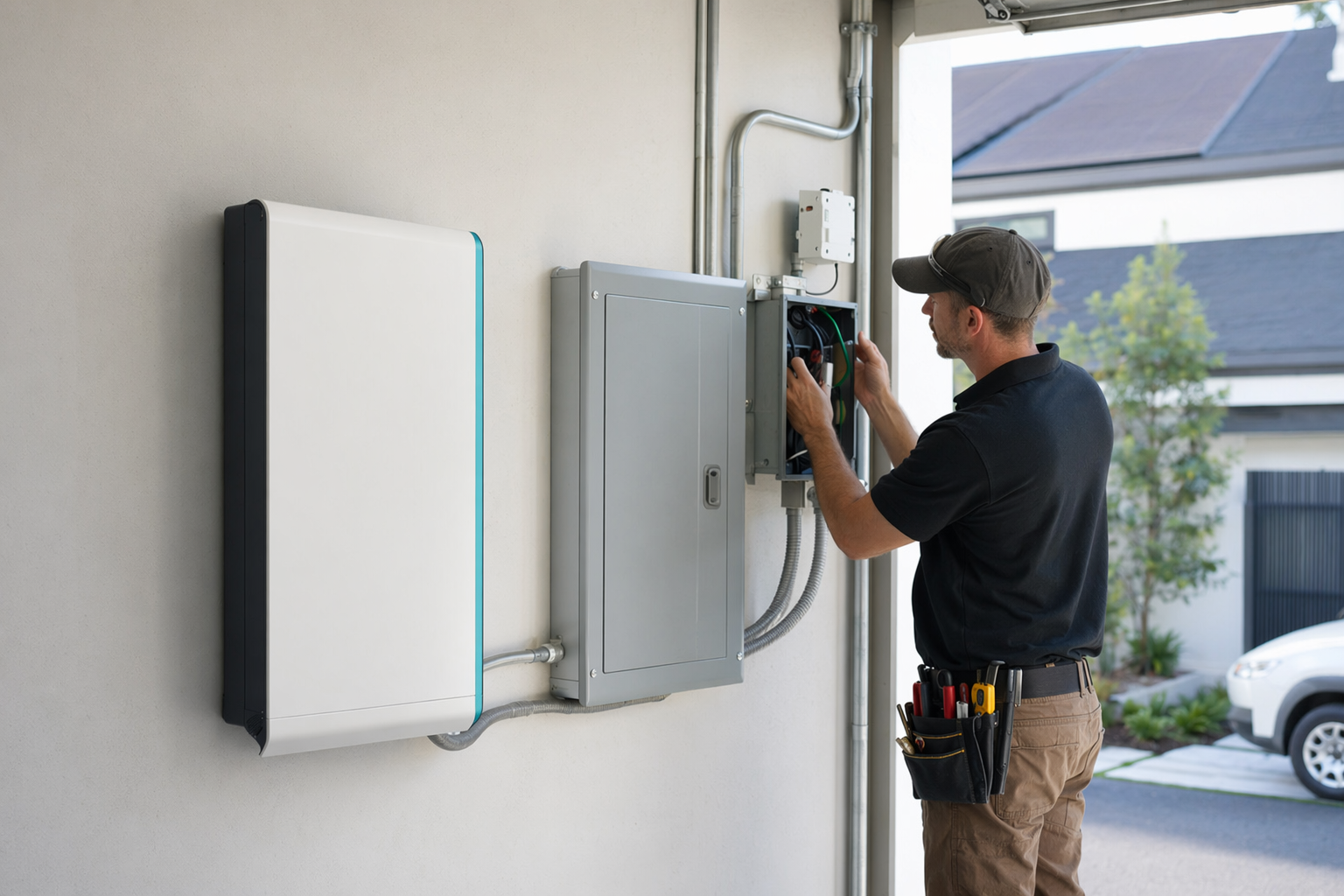
Rooftop solar adds panels and other equipment that produce electricity when the sun is out. In many homes, solar works alongside the grid, not as a full replacement for it. You may use solar power first during the day, then draw from the grid at night or during cloudy periods. If you add a battery, some essential loads may keep running for a limited number of hours during an outage, depending on battery capacity in kWh and what you choose to back up.
The main practical difference is control versus simplicity. Solar can give some homeowners more control over part of their electricity use. Grid-only service is easier to understand and usually has no equipment decisions to make.
If you are still learning the basics, guides and systems can help you compare common setups before you talk with any installer.

Reasons some homeowners stay on the grid only
Staying on the grid only can be the better fit when the roof, budget, or timing does not line up well for solar. A home may have too much shade, an older roof that should be replaced first, limited sunny roof space, or a layout that makes panel placement less practical. In those cases, the simplest answer may be to keep utility service as-is for now.
There is also less up-front decision-making. You do not need to compare system sizes in kW, inverter types, battery options in kWh, production estimates, interconnection timelines, or workmanship warranties. For some households, avoiding that complexity is a real benefit.
Other common reasons people choose grid only include:
- They may move within a few years and do not want to make a major home upgrade now
- They prefer not to take on an added project, even if they like the idea of solar
- Their electric use is already fairly low
- Their local utility setup, roof condition, or HOA process makes solar less appealing
The downside is that you stay fully exposed to whatever your utility charges and how rates change over time. You also do not get the resiliency benefits that a properly designed solar-plus-battery setup may offer for selected essential circuits during outages.
Reasons some homeowners choose rooftop solar
Homeowners usually consider solar because they want to produce some of their own electricity on site. For the right house, that can be appealing: a usable roof with good sun exposure, enough space for the needed system size, and a homeowner who plans to stay long enough to care about the long-term value of the project.
Some also like the idea of pairing solar with battery backup. A battery does not power everything forever, but it may keep essentials like refrigeration, internet, lights, garage access, or a few outlets running for a limited period. Actual backup time depends on the battery's kWh capacity, what loads are selected, and how much electricity the household uses during the outage.
Potential upsides of solar can include:
- Lower reliance on utility electricity during solar-producing hours
- More visibility into household energy use and system performance
- The option to add battery backup for selected essential loads
- A chance to improve the home at the same time as roof work, if needed
The trade-offs are real too. Solar adds equipment to your home, and every proposal needs careful review. Cost ranges can vary widely based on roof shape, system size in kW, battery size in kWh, equipment, labor, local permitting, and incentives. Production also depends on sun exposure, orientation, shading, weather, and utility rules. That is why homeowners should compare bids carefully and confirm equipment, scope, warranties, expected production assumptions, and total price in writing before work starts.
How to decide without hype
A fair comparison starts with the house itself. Is the roof in good shape, or will it need work soon? Is there enough unshaded roof area? How much electricity does the household actually use across the year? Do outages happen often enough that battery backup matters? How long do you expect to stay in the home? These questions usually matter more than broad claims about what solar is “supposed” to do.
It also helps to compare realistic ranges instead of chasing one headline number. For example, one home might need a smaller system of around 4 to 6 kW, while another may need 8 to 12 kW or more depending on usage and roof space. A battery might cover a few essentials for several hours, or longer if the load is modest, but it is not automatically whole-home backup. The right setup depends on priorities, not just price.
When you review quotes, keep the process grounded:
- Ask whether the roof is solar-ready or whether roof work should come first
- Ask what size system in kW is being proposed and why
- If a battery is included, ask its usable kWh capacity and which circuits it is meant to back up
- Verify the installer is licensed and insured in your area
- Read workmanship, equipment, and roof-penetration warranty terms carefully
- Make sure the full scope, timeline, and price are in writing
Voltariva is a free matching service that helps homeowners understand the options and reach licensed local installers. Voltariva does not sell, finance, design, or install systems. If you submit a request through get matched, the service is free, and you agree to be contacted about your request. The final choice is always yours: compare bids, ask questions, and choose the installer only if the proposal makes sense for your home.
In plain English
Solar can make sense for some homes and not for others, so the best choice is the one that fits your roof, budget, outage needs, and plans for the house.
Always hire licensed, insured installers — and verify the license, insurance, and warranties yourself.
Common questions
Is going solar always cheaper than staying on the grid only?
No. It depends on the roof, system size, equipment, battery choice, local utility rates, incentives, financing terms if any, and how much electricity the home uses. There is no universal answer.
Can solar replace the grid completely?
For most homes, rooftop solar is grid-connected rather than a full replacement. Without a battery, grid-tied solar usually will not keep the home powered during an outage. With a battery, selected essentials may run for a limited time depending on load and battery capacity.
What if my roof is old or shaded?
That can make solar less practical or mean roof work should happen first. A licensed local installer can assess roof condition, shading, usable space, and whether the home is a good candidate.
How do I compare solar proposals fairly?
Compare system size in kW, battery capacity in kWh, estimated production assumptions, equipment list, warranties, total price, and whether the installer is licensed and insured. Get the final scope and terms in writing before work starts.