Guides
Avoiding high-pressure solar sales
Solar can be a useful home upgrade, but some sales process tactics make it harder to compare options clearly. If a conversation feels rushed, vague, or too good to be true, you can slow it down, ask for details in writing, and decide on your own timeline.
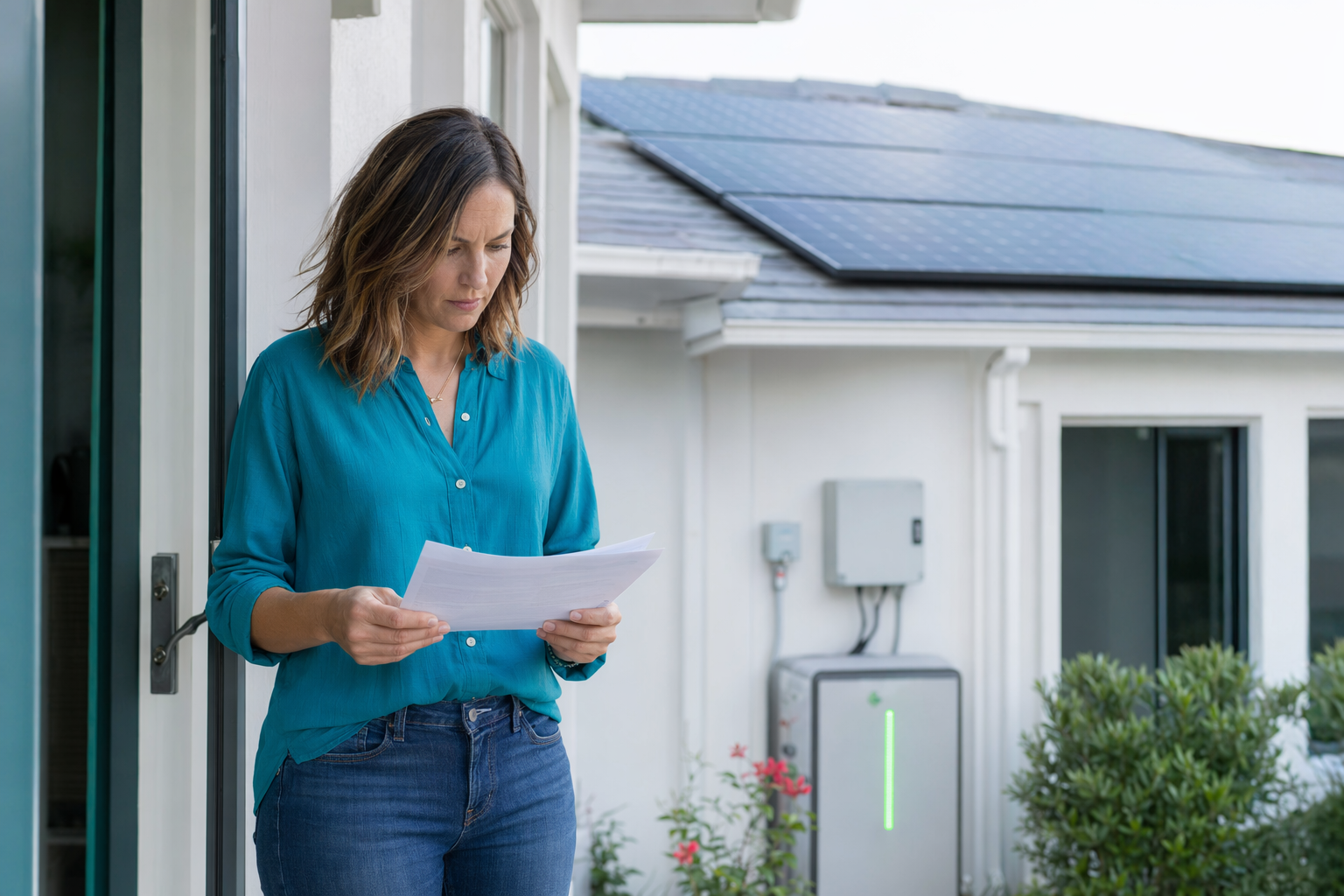
Tactics that should make you pause
A sales conversation should help you understand your roof, your electric use, and your options. It should not make you feel cornered. A few common warning signs are pressure to sign the same day, a rep who avoids giving a written scope, or claims that sound certain before anyone has properly reviewed your home.
Watch for language that skips over the details that actually matter. That includes broad claims about what your bill will be, how much power a system will make, or how quickly a system will "pay for itself" without showing the assumptions behind those numbers. Real outcomes depend on roof condition, shading, local utility rules, system size in kW, battery size in kWh, equipment, and incentives.
Other signs to take seriously:
- "Today only" discounts or urgency around signing before you have time to review
- Quotes that do not list panel count, system size in kW, inverter type, battery capacity in kWh, or major roof work
- Production estimates that do not mention shade, roof direction, or local weather
- A rep who wants a credit check or financing application before you understand the project
- Verbal promises that are not included in the written proposal
If you are still learning the basics, start with clear educational material first. Voltariva is a free matching service, not an installer, and our job is to help you understand the process and reach licensed local installers so you can compare bids at your own pace. You can browse more explainers in our guides.
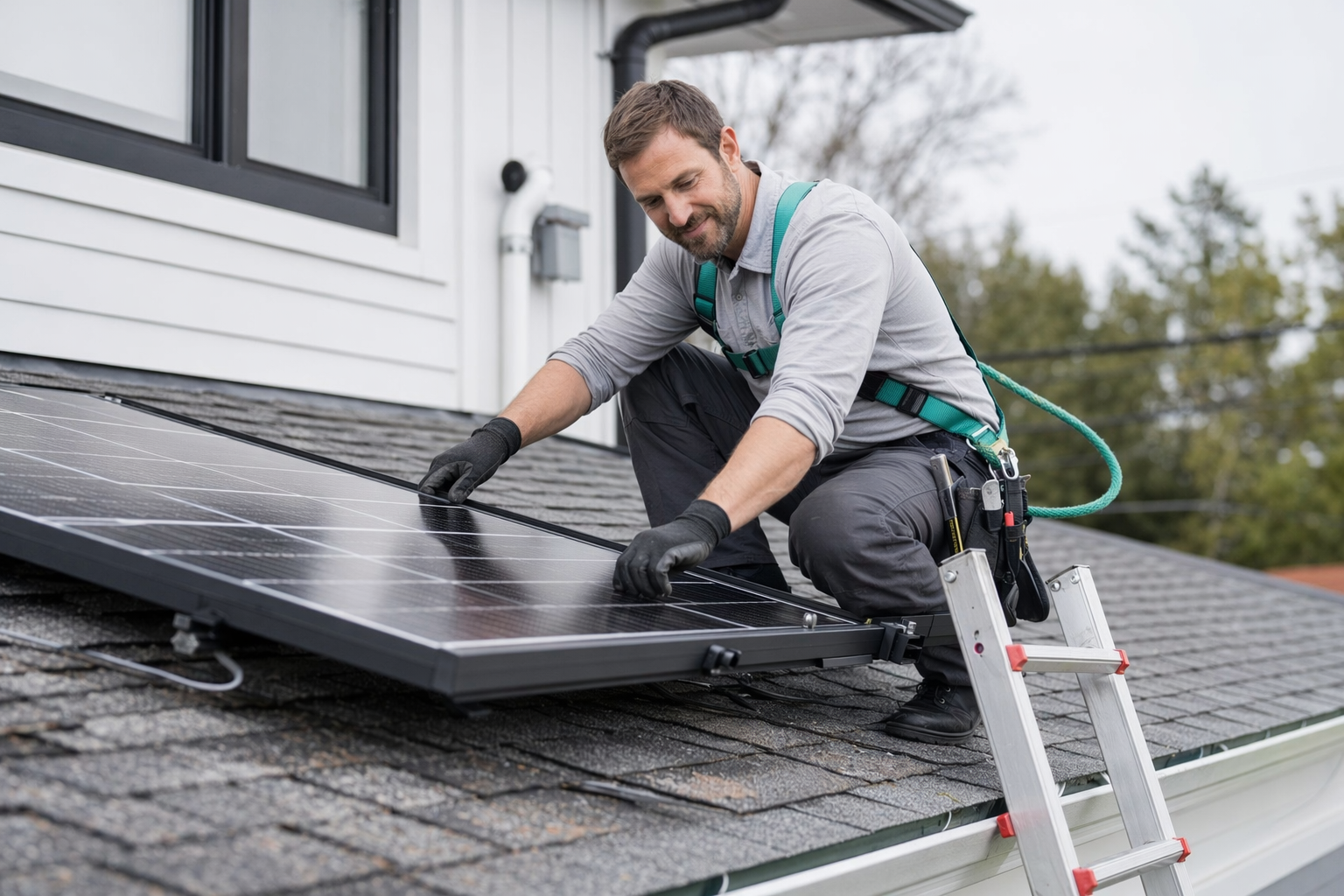
What to ask for before you sign anything
A serious proposal should be specific enough that you can compare it to other bids. At a minimum, ask for the planned system size in kW, estimated annual production, equipment list, roof work included or excluded, permit and inspection responsibilities, expected timeline, warranty summary, total price, and payment schedule. If a battery is involved, ask for usable capacity in kWh and what essential loads it is expected to support for roughly how many hours.
Ask the company to put every important point in writing. That includes whether electrical panel upgrades might be needed, whether tile or shingle roof work is part of the job, what happens if hidden roof issues are found, and whether monitoring is included. If the rep says something reassuring on the phone but it never appears in the contract, treat that as unsettled.
Helpful questions include:
- What is the proposed system size in kW, and why is that size recommended for my home?
- What assumptions were used for annual production?
- Is any roof repair or replacement required before installation?
- Are batteries optional, and if included, what is the capacity in kWh?
- What equipment warranties and workmanship warranties apply?
- Who handles permits, utility paperwork, and inspections?
- What costs could change after site inspection?
You do not need to decide on the first call. A careful homeowner usually compares at least a few written proposals, checks license and insurance information, and confirms the scope, equipment, warranties, and price in writing before work starts.
How to slow the process down and stay in control
The simplest way to reduce pressure is to create your own review process. Tell the rep you do not sign on the first meeting. Ask for the proposal by email, read it later, and compare it line by line with others. If you want, have a family member or trusted friend look at it too, especially if English is not your first language. Taking more time is normal.
You can also set boundaries early. If you prefer email over phone calls, say so. If you are not ready to discuss financing, say you want the full project scope and cash price first. If someone keeps pushing after you have said you need time, that is useful information about how the rest of the project may feel.
A practical way to stay organized:
- Save every quote, email, and contract in one folder
- Compare system size in kW, battery size in kWh, equipment, warranties, and total price side by side
- Ask each installer the same questions so the answers are easier to compare
- Verify license and insurance directly before moving forward
- Confirm cancellation terms, change-order terms, and who is responsible for repairs if something is damaged during the job
If you want help getting to the comparison stage without the sales pressure, you can use get matched. Voltariva does not install or sell solar. The service is free, and when you submit a request, you agree to be contacted so you can connect with licensed local installers and review your options.
What a solid solar proposal usually includes
A good proposal does not need to be flashy. It needs to be clear. For rooftop solar, that usually means a layout or at least a clear equipment summary, the system size in kW, estimated production, major assumptions, financing or payment terms if offered, and a contract that explains who does what. If batteries are part of the plan, the proposal should state the battery capacity in kWh and describe backup expectations in practical terms, such as supporting essentials for a certain range of hours, not vague promises.
Roof readiness matters too. Solar is attached to your roof, so the condition of the roof should be part of the discussion. If a roof is older or near replacement age, it may make more sense to address that first rather than install and remove panels later. A careful installer should say when a roof inspection is needed and should not brush off visible concerns.
One homeowner, for example, received a quick quote with little detail and a strong push to sign that week. After slowing down and comparing other bids, the homeowner found that the proposed system sizes varied by several kW, the production estimates were based on different assumptions, and one quote did not clearly explain potential roof work. The best next step was not to chase the lowest headline number, but to choose the clearest written scope from a licensed, insured local installer.
If you want a better sense of what should be in a normal project plan, rooftop solar installation explains the parts of a typical install process. The main point is simple: clear scope first, pressure last. You are the one choosing the installer, and you should have enough written detail to make that choice with confidence.
In plain English
If someone is pushing you to sign before you have a clear written scope, slow down and compare licensed local installers on your terms.
Always hire licensed, insured installers — and verify the license, insurance, and warranties yourself.
Common questions
Is it normal for a solar rep to ask me to sign the same day?
It happens, but you do not have to. It is reasonable to ask for the proposal in writing, review it later, and compare it with other bids before deciding.
What if the quote does not list system size or equipment?
Ask for a full written scope before moving forward. A quote should identify the system size in kW, major equipment, warranty summary, and any roof or electrical work included or excluded.
Can anyone tell me exactly how much I will save?
No. Real costs and results vary with your roof, shading, system size, battery choice, local utility rates, equipment, and incentives. Treat exact promises with caution.
How can Voltariva help if it is not an installer?
Voltariva is a free matching service that helps homeowners understand solar, roof readiness, and batteries, then connect with licensed local installers to compare written bids. When you submit a request, you agree to be contacted.