Guides
Is my roof ready for solar?
A roof does not need to be perfect to support solar, but it does need to be in the right condition. The main questions are simple: how much life the roof has left, whether it gets enough sun, and whether its structure and layout make a safe, practical installation possible.
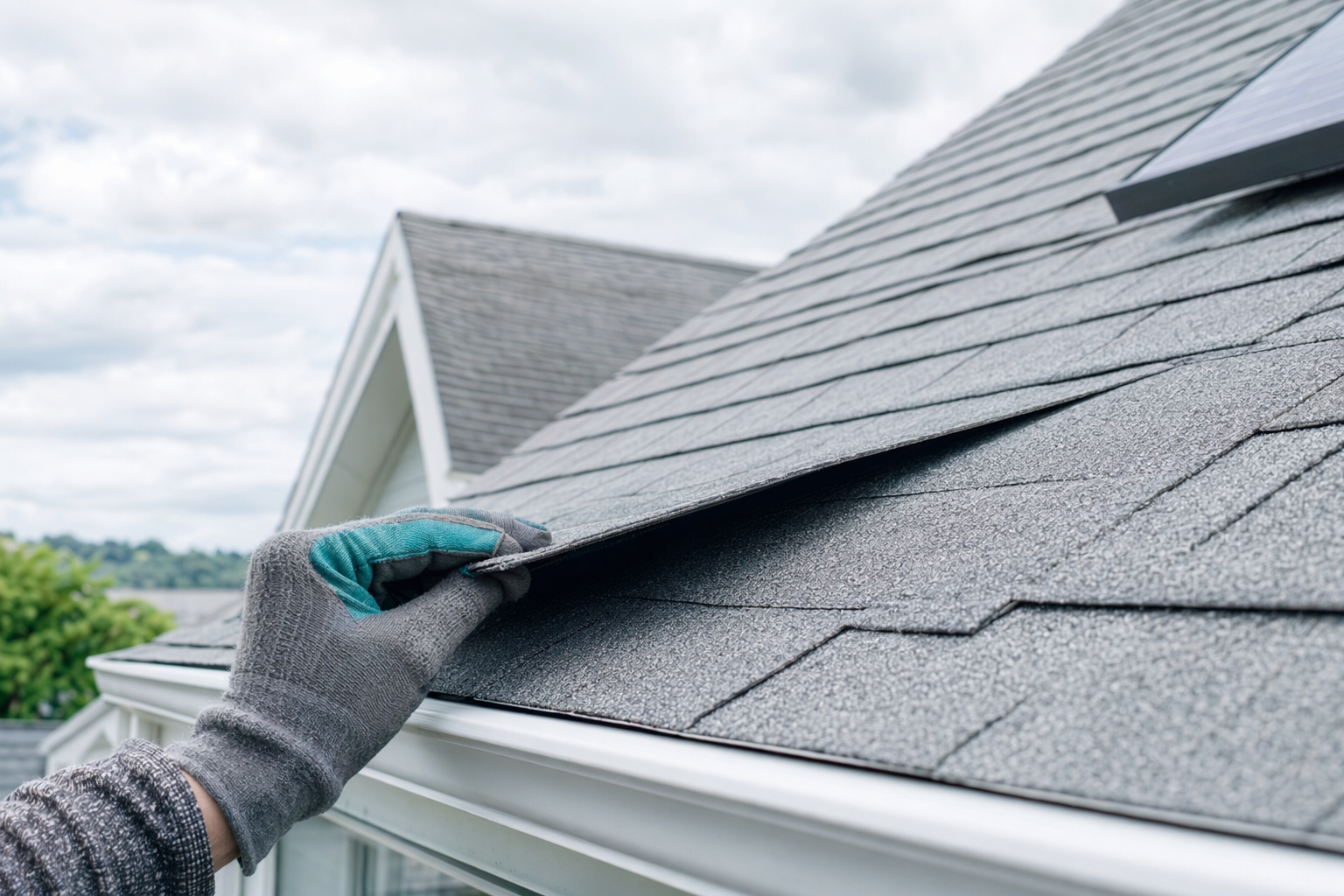
Roof age and condition matter first
If your roof is near the end of its life, it usually makes more sense to handle roofing work before solar goes on. Panels can stay in place for a long time, so putting them over shingles that may need replacement soon can create extra labor later when the system has to be removed and reinstalled for roof work.
As a general rule, many homeowners are told to think carefully if an asphalt shingle roof is already older and showing wear. Missing shingles, soft spots, active leaks, sagging areas, curling, or widespread granule loss are signs to get the roof checked before moving forward. A newer roof in solid condition is often a better candidate.
A roof does not always need a full replacement. Sometimes the issue is limited to a section, flashing details, or repairs around penetrations. The right next step is not guessing from the ground. It is having the roof condition reviewed and then comparing that with the expected life of the solar system.
If you are early in research, our guides can help you understand the usual roof and solar questions before you ask for quotes.
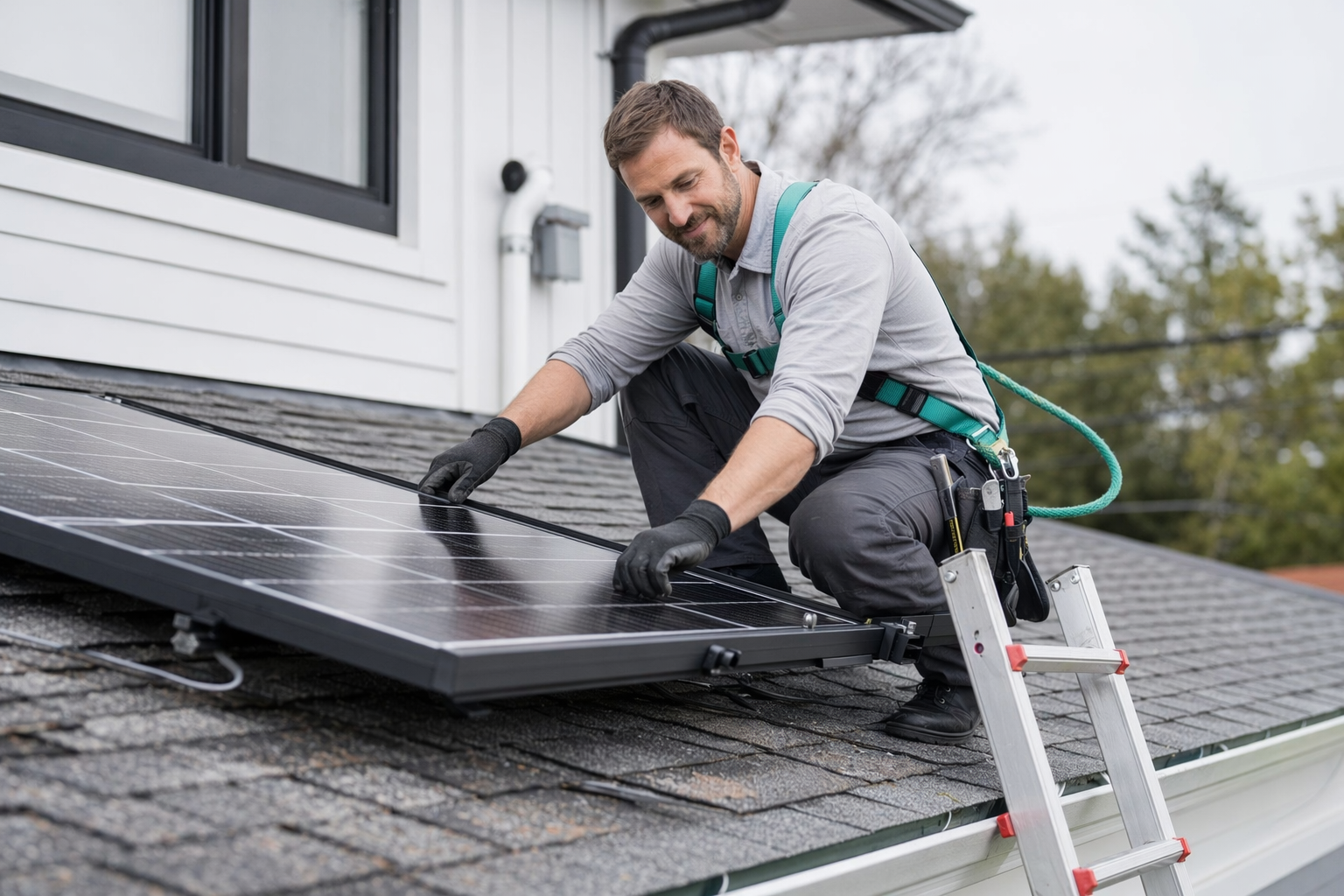
Pitch, material, and layout affect how easy solar is to install
Roof pitch, shape, and material all influence whether solar is straightforward or more specialized. Many homes with common sloped roofs are workable, but very steep roofs, complex rooflines, and surfaces with many hips, valleys, dormers, skylights, and vents can reduce usable panel space. Less uninterrupted area can mean a smaller system size in kW than you hoped for.
Roof material also matters. Asphalt shingles are common and often familiar to installers. Tile, metal, low-slope roofing, and older materials may still work, but they can require different mounting methods, extra care, or a contractor with the right experience. Some materials are more fragile than others, and that can affect labor and final pricing.
Usable layout is not just about total square footage. Installers also need room for setbacks, walk paths where required, and attachment points that fit the roof framing below. A large roof can still have limited solar space if too much of it is interrupted by obstructions.
This is one reason to compare more than one proposal. Different installers may suggest different panel layouts, system sizes, or roof areas to use. You can learn more about the process on rooftop solar installation.
Sun exposure and structure can decide yes, no, or not yet
Shade is one of the biggest practical checks. Trees, chimneys, nearby buildings, and even parts of your own roof can reduce production. A home does not need all-day perfect sun to consider solar, but heavy shade on the main roof areas can make the project less attractive. The best roof planes are often the ones with the most steady sunlight and the least interruption during peak daytime hours.
Structure matters too. Panels, racking, and related equipment add weight, and the roof framing needs to support the installation safely. That does not mean most homes need major structural work, but some do need review, especially older homes or roofs with visible sagging or past damage. Installers may use site photos, attic information, satellite tools, and sometimes engineering review before confirming the plan.
If you are also thinking about backup power, the roof is only part of the picture. Home batteries are rated in kWh, and backup duration is usually discussed in terms of how many hours of backup for essential loads a battery setup may support. Solar and battery sizing should be based on your home and priorities, not assumptions.
One homeowner, for example, had a roof with decent sun but several mature trees shading part of the day. The roof itself was serviceable, but the usable solar area ended up being smaller than expected. That did not automatically rule solar out, but it changed the likely system size range and made side-by-side quotes especially important.
When it makes sense to do roof work and solar together
If the roof is aging and you already expect roofing work within the next several years, doing the roof project before or alongside solar can be worth considering. The main advantage is practical: you may avoid paying for a separate panel removal and reinstallation later. It can also make scheduling, roof penetrations, and warranty planning cleaner from the start.
That does not mean everyone should replace a roof just because they are curious about solar. If the roof still has solid life left and is in good condition, replacement may not be necessary. The key is to compare the roof's remaining life with the likely life of the solar equipment and the hassle of a second job down the road.
Cost ranges vary widely. Roofing costs depend on size, material, tear-off needs, and local labor. Solar costs depend on system size in kW, roof complexity, equipment, and local incentives and utility rules. Battery costs depend on capacity in kWh, backup goals, equipment, and installation details. Real numbers should be confirmed in writing by licensed local contractors.
Voltariva is a free matching service, not a roofing or solar contractor. We help homeowners understand the basics and get connected with licensed local installers so they can compare bids, ask roof-readiness questions, and choose what fits their home. If you want to talk through your options, you can get matched. By submitting a request, you agree to be contacted about your project.
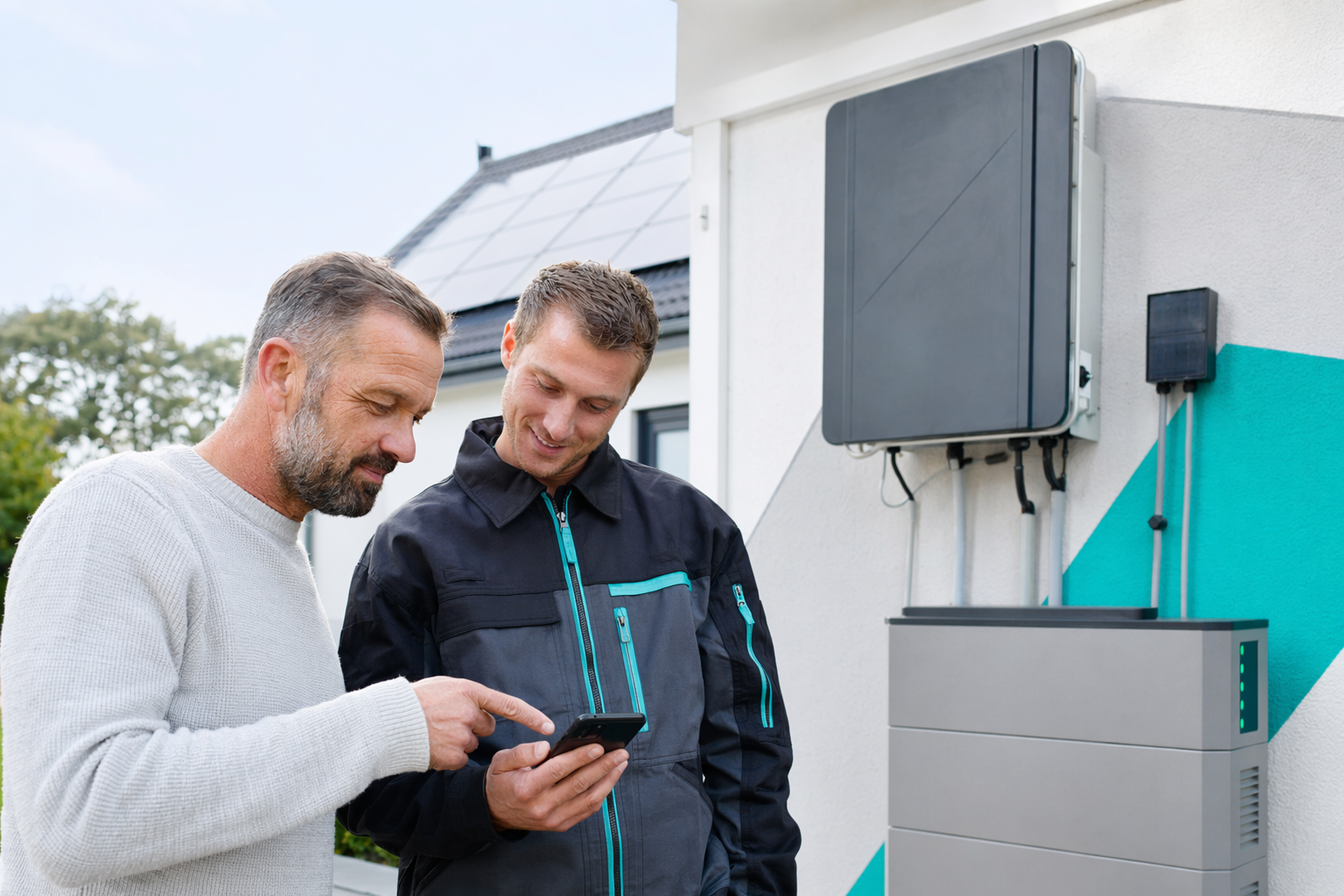
In plain English
If your roof is in good shape, gets decent sun, and has enough safe, usable space, it may be ready for solar now; if not, roof work first can be the smarter path.
Always hire licensed, insured installers — and verify the license, insurance, and warranties yourself.
Common questions
Can I install solar on an old roof?
Sometimes, but if the roof may need replacement soon, many homeowners choose to do roof work first to avoid paying for panel removal and reinstallation later.
What roof types usually work for solar?
Many homes with asphalt shingle, metal, tile, and low-slope roofs can be considered, but the material, pitch, and condition affect mounting method, labor, and whether a specialist is needed.
Does shade mean my roof is not ready for solar?
Not always. Some shade is manageable, but heavy or all-day shade on the main roof areas can reduce how much solar makes sense and may limit system size.
Who decides if my roof is ready?
A licensed local installer and, if needed, a roofer or engineer should review the roof's condition, structure, layout, and sun exposure before work starts. You should verify license, insurance, scope, warranties, and price in writing.