Guides
Ways to pay for solar (cash, loan, lease, PPA)
How you pay for rooftop solar changes who owns the equipment, who gets any available tax benefits, who handles certain repairs, and what happens if you sell the home. The right fit depends on your budget, credit, timeline, and how much control you want over the system.
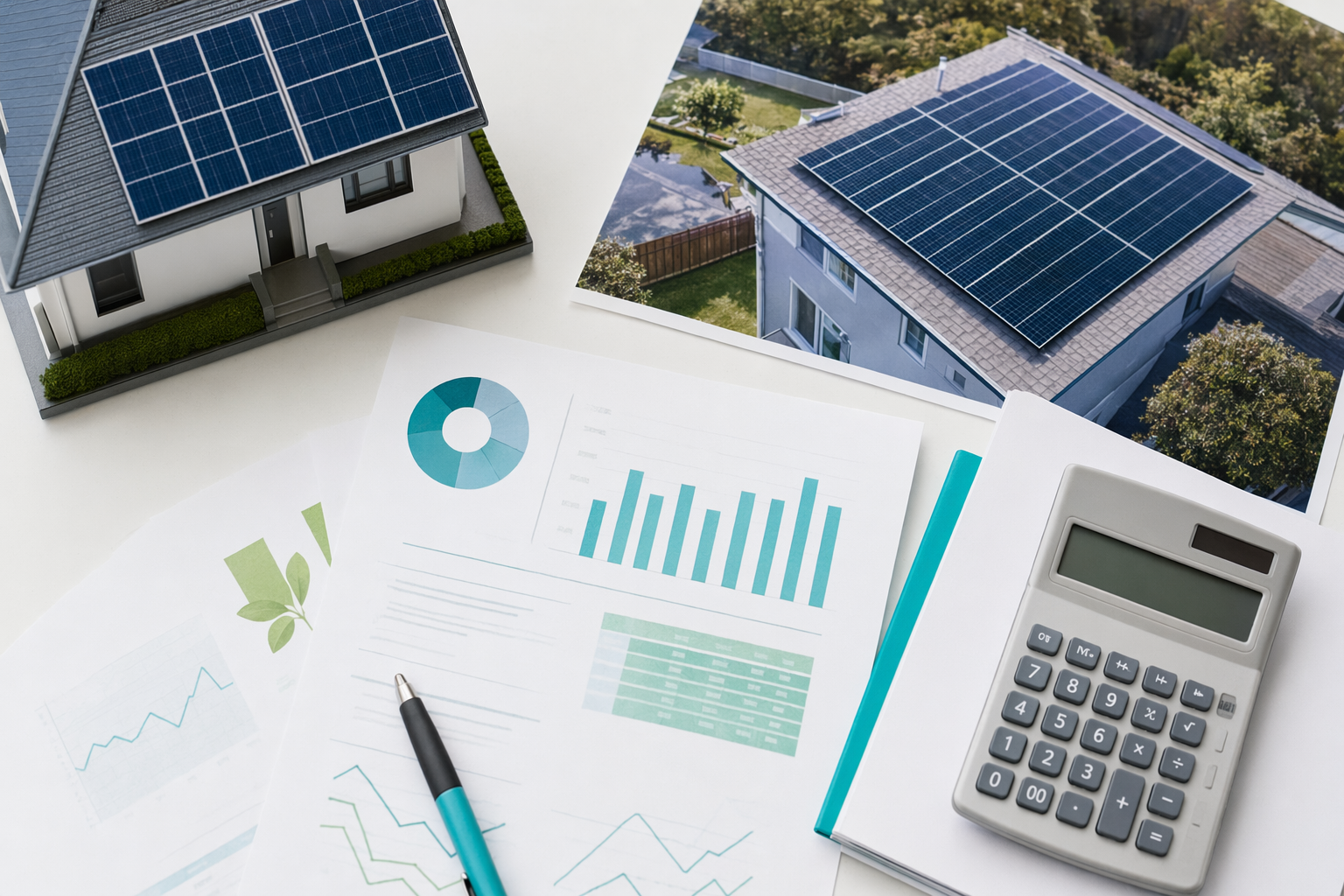
Cash: highest control, highest upfront cost
Paying cash means you buy the solar system outright. In most cases, that also means you are the owner from day one, so you review the equipment list, warranties, and installation contract directly with the licensed local installer you choose. If there are tax credits or local incentives available, ownership is usually important, but eligibility depends on your tax situation and current rules, so confirm details with a tax professional.
The tradeoff is simple: cash avoids monthly financing charges, but it requires the biggest upfront payment. A rooftop system is usually sized in kW, and total price can vary a lot based on roof shape, electrical work, equipment, and whether you add a battery measured in kWh. A smaller system may cost far less than a larger one, and battery backup can add a meaningful amount to the total.
Cash buyers often like the control. You can compare bids, ask for different panel or inverter options, and decide whether battery backup for essentials is worth it. But even with cash, do not assume the lowest quote is the best one. Confirm in writing:
- total price and payment schedule
- system size in kW
- estimated battery capacity in kWh, if included
- what loads the battery is meant to back up and for about how many hours under typical use
- workmanship and equipment warranties
- who handles permits, inspections, and utility paperwork
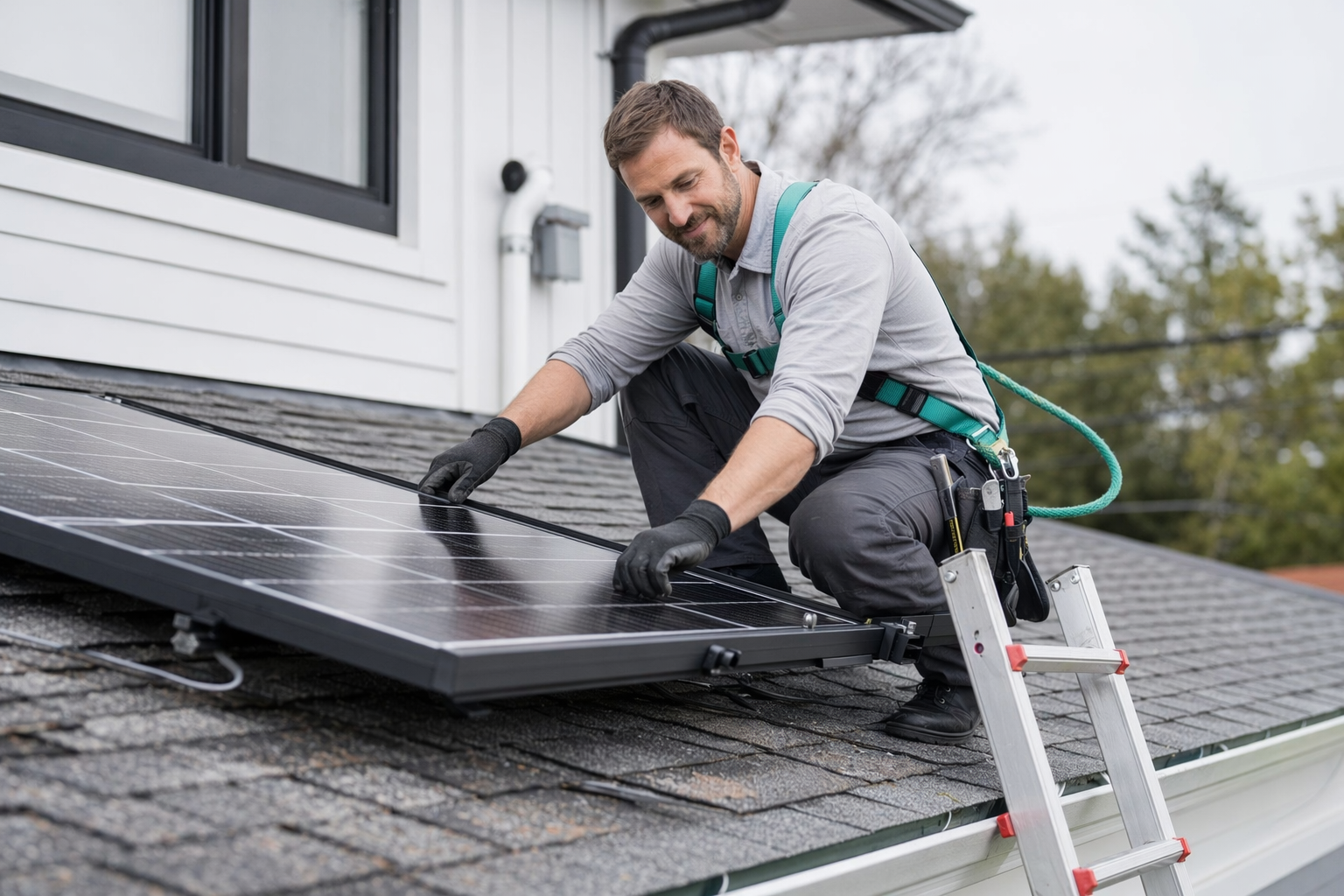
Solar loan: ownership with monthly payments
A solar loan is generally for homeowners who want to own the system but spread the cost over time. With many loan structures, you still own the equipment, but the monthly payment, interest, fees, and loan term can change the total amount paid. Voltariva does not finance solar and does not recommend one loan product over another. This page is general education only.
Loan offers can look similar at first and still work very differently. A lower monthly payment may come from a longer term, added fees, or a different interest structure. Ask for the full picture in writing, not just the monthly number. Also ask whether there is any prepayment penalty, what happens if you refinance your home, and whether the loan is secured in a way that affects a future home sale.
If you are comparing cash versus a loan, focus on ownership and total obligations, not marketing language. A careful review should include:
- monthly payment range and loan term
- total amount paid over time
- fees, dealer fees, and any closing costs
- whether tax-credit assumptions are built into the payment schedule
- whether battery backup is included, and if so the battery size in kWh
- what happens if the roof needs work before or after installation
If you are early in the process, guides can help you organize your questions before you speak with installers.
Lease and PPA: lower upfront cost, less ownership control
A solar lease usually means you pay a fixed monthly amount to use the equipment, while a power-purchase agreement, or PPA, usually means you pay for the electricity the system produces at an agreed rate or formula. In both setups, the homeowner often does not own the system. That ownership difference matters because it can affect tax benefits, maintenance responsibilities, transfer terms when selling the home, and how price increases are handled over time.
Some homeowners look at leases or PPAs because the upfront cost can be lower than buying with cash. That can be useful in the right situation, but it is important to read the agreement carefully. The key question is not just "What do I pay this month?" It is also "What am I committing to for the length of the contract?"
Before signing, ask for plain-language answers to these points:
- Who owns the solar equipment?
- Who claims any available incentives or tax benefits?
- Is there an annual payment escalator, and how is it calculated?
- Who monitors, repairs, or replaces equipment?
- What happens if the system underproduces?
- What are the options if you sell the home?
- Is there a buyout option, and how is the buyout price determined?
- Does the agreement include battery backup, and if yes, what battery capacity in kWh is included and what essentials it can support?
Leases and PPAs are not automatically good or bad. They are contracts with tradeoffs. The homeowner should compare the written terms side by side and decide whether lower upfront cost is worth giving up some ownership control.
How to compare options without getting overwhelmed
Start with the basics: do you want to own the system, or are you comfortable paying for access to it? Ownership usually points toward cash or a loan. Lower upfront cost without ownership often points toward a lease or PPA. From there, compare written offers line by line. Ask each installer to show the same scope if possible, so you are not comparing a 6 kW system from one quote to an 8 kW system from another, or a battery quote to a non-battery quote.
It also helps to think beyond the first year. Roof condition matters. If your roof may need replacement soon, ask whether it makes sense to do roof work first. Battery backup matters too. A battery does not usually run the whole home indefinitely. A better question is which essentials you want backed up and for roughly how many hours. Those answers depend on your usage, battery size in kWh, and what circuits are selected.
As you compare, keep your checklist practical:
- verify the installer is licensed and insured in your area
- confirm system size in kW and battery size in kWh
- ask for estimated production assumptions and utility-rate assumptions in writing
- review warranty terms for panels, inverter, battery, and workmanship
- ask what happens if you need roof work later
- confirm total price, monthly obligation, term length, and transfer or buyout terms if applicable
- do not rely on verbal promises
Voltariva is a free matching service, not a contractor. We help homeowners learn the basics and reach licensed local installers for quotes. If you submit a request, matching is free and you agree to be contacted about your project. You can learn more about rooftop solar installation or get matched when you are ready to compare local options.
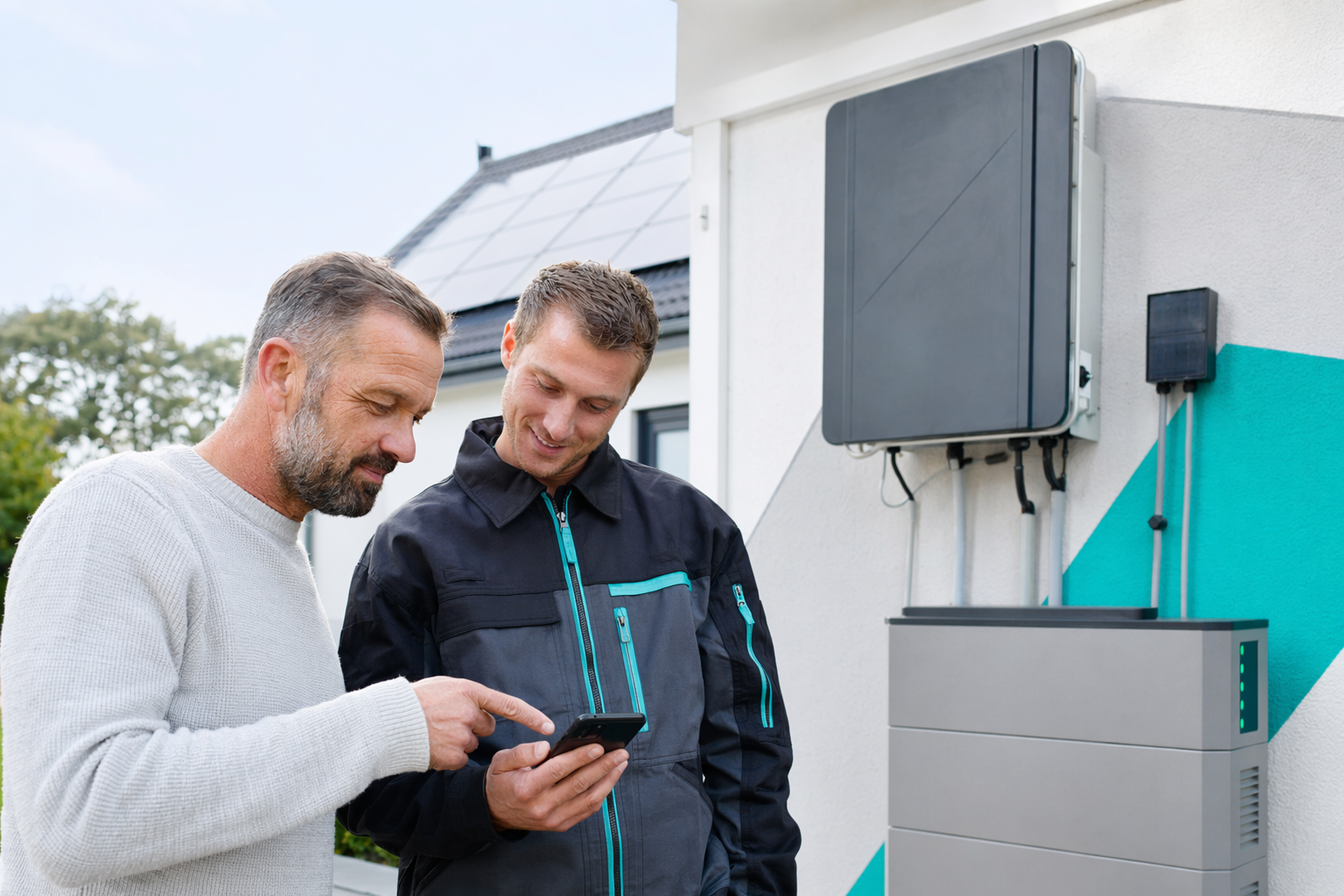
In plain English
Cash and many loans usually mean you own the solar system, while leases and PPAs usually mean you pay to use it, so read the written terms carefully and compare the full long-term obligation, not just the monthly number.
Always hire licensed, insured installers — and verify the license, insurance, and warranties yourself.
Common questions
Which option means I own the solar system?
Usually cash and many solar loans mean the homeowner owns the system, while leases and PPAs usually mean a third party owns it. Always confirm ownership in the written agreement.
Do leases and PPAs include maintenance?
They often include some monitoring or maintenance responsibilities, but terms vary. Read the contract to see who repairs equipment, who pays for service, and what happens if the system underperforms.
Can I add a battery with any payment option?
Sometimes, yes, but not every offer includes one. Ask whether a battery is part of the quote, the battery capacity in kWh, and what essential loads it is expected to support and for about how many hours.
What matters most when comparing offers?
Focus on ownership, total cost or total payment obligation, system size in kW, battery size in kWh if included, contract length, warranties, roof-related terms, and what happens if you sell the home.