Guides
Solar for new homeowners & newcomers to the US
Buying your first home, or buying a home after moving to the US, can make rooftop solar feel like a new language. This page gives you a simple starting point: the common words, the usual steps, and how Voltariva’s free matching service can help you reach licensed local installers and compare options at your own pace.
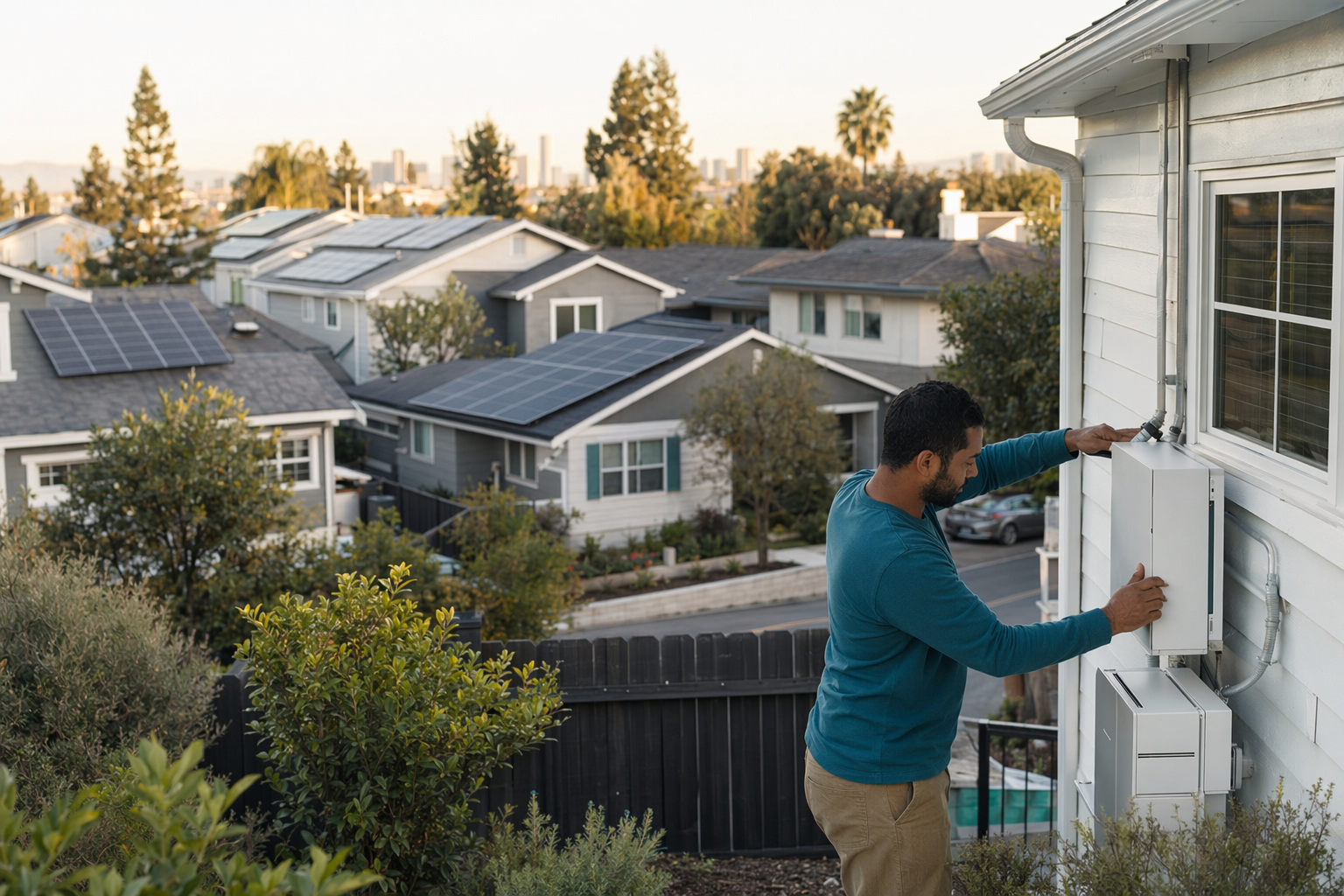
Common solar words, in plain language
You do not need to know every technical term to make a good decision. A solar system is usually measured in kW. That tells you the system’s size, not how much electricity it will make every hour. A battery is measured in kWh. That tells you how much energy it can store. When people talk about backup, it is more useful to ask how many hours of backup for essentials a battery may provide, because the answer depends on what you keep running.
Some other words you may hear: panel means the equipment on the roof that turns sunlight into electricity. Inverter means the equipment that converts that electricity into power your home can use. Main service panel is the electrical panel in your home. Net metering or utility credit rules describe how your utility handles extra solar power sent to the grid. Those rules vary by location.
It also helps to know what solar does not always do. A rooftop solar system does not automatically keep your home on during a blackout. Many grid-tied systems shut off for safety unless there is battery backup and the system is designed for backup use. If backup matters to you, ask about battery capacity in kWh, which circuits are backed up, and how long essential loads may run.
If you want a broader overview before speaking with anyone, you can start with guides or read the basics of rooftop solar installation.
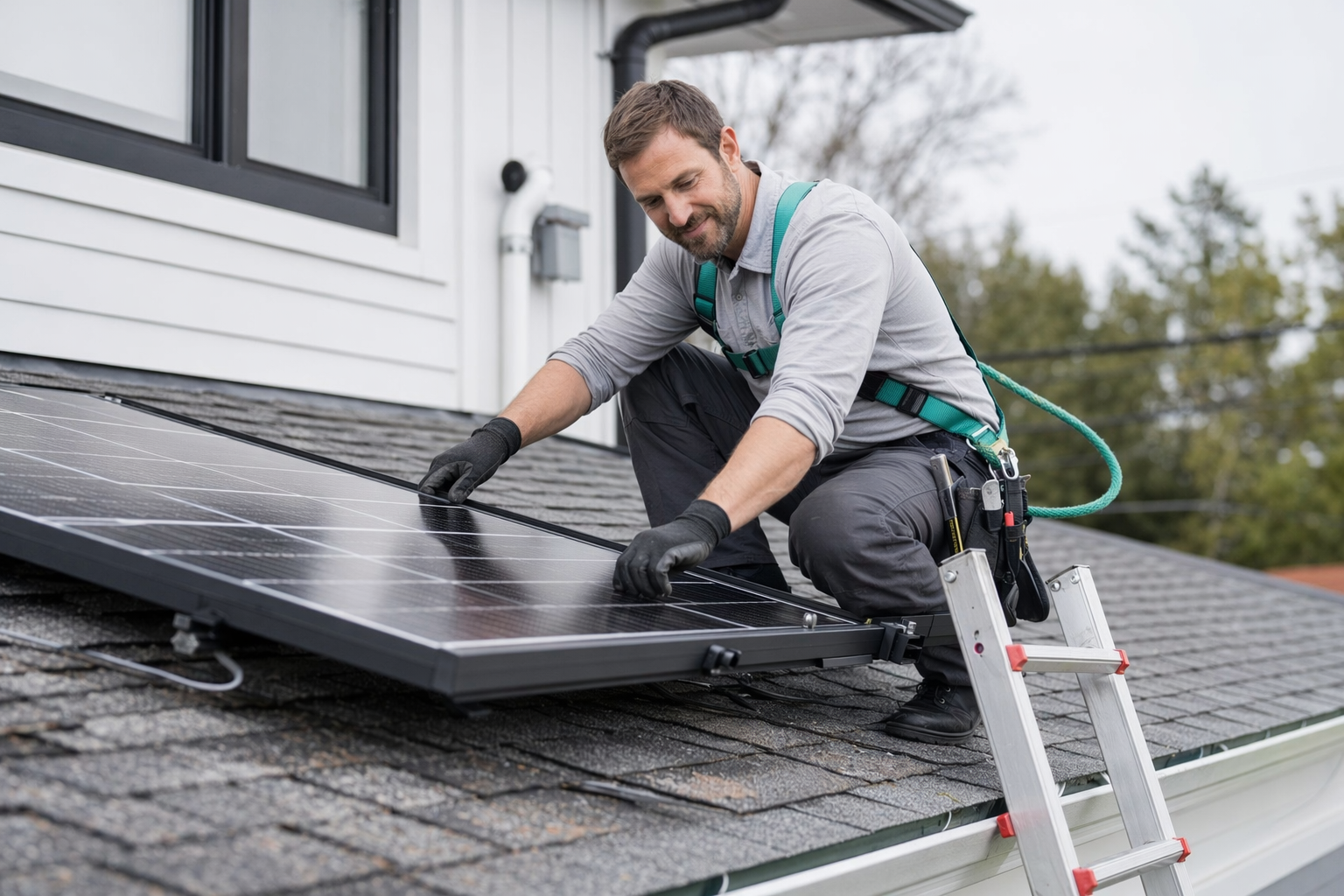
What new homeowners should check before asking for quotes
Before you spend time comparing bids, make sure the home itself is a reasonable candidate. Start with the roof. A roof that is older, leaking, badly shaded, or close to replacement may need attention before solar. Installers usually want to know the roof material, age, pitch, and whether there are trees, chimneys, or nearby buildings creating shade.
Next, gather a little basic home information. Recent electric bills are useful because they show your electricity use over time. If you just moved in and do not have a long billing history yet, that is common. You can still estimate based on square footage, number of occupants, heating and cooling equipment, and whether you expect to add large loads later, such as an electric vehicle charger or heat pump.
It is also smart to ask whether your electrical setup is ready. Some homes need panel work or other electrical updates before a new system can be installed safely. That does not always mean the project will not work. It just means scope and cost can change. A written quote should list major equipment, system size in kW, any battery size in kWh, roof or electrical work if needed, and warranty details.
As the homeowner, you are the decision-maker. Compare more than one bid, confirm the exact scope in writing, and verify that any installer you consider is licensed and insured for the work in your area. Ask who handles permits, inspections, utility paperwork, and warranty service after installation.
How matching works if you are new to the process or more comfortable in another language
Voltariva is not a solar, roofing, or electrical contractor. We do not sell, finance, design, or install systems. We are a free matching service that helps homeowners understand the basics and get connected with licensed local installers.
If you submit a request through get matched, matching is free. By submitting, you agree to be contacted about your request. The goal is simple: help you move from confusion to a few real local options you can compare. You can ask questions about system size, battery backup, roof-readiness, timeline, and what is included in each proposal.
For many new homeowners and newcomers to the US, the hardest part is not the technology. It is knowing what questions to ask and what paperwork matters. If English is not your first language, plain-language explanations can make a big difference. Ask installers to slow down, explain unfamiliar terms, and put key details in writing. You should never feel pushed to decide before you understand the scope, equipment, warranties, and total price.
A good match does not mean a guaranteed outcome or a guaranteed price. Real costs often fall within a range, and they depend on the roof, system size, battery choice, equipment, electrical work, local labor, utility requirements, and available incentives. Your job is to compare bids carefully and choose the installer that fits your home and priorities.
A simple step-by-step path from interest to installation
Most homeowners move through solar in a few clear stages. First comes learning. You get familiar with the main terms, your roof condition, and your recent electricity use. Second comes quote gathering. A local installer or several installers review your home, discuss goals, and provide proposals. Third comes comparison. You look at equipment, system size in kW, battery size in kWh if applicable, expected production estimates, warranty terms, timeline, and total project price.
After that, if you choose an installer, the installer typically handles site review, design, permits, and utility paperwork. Installation does not usually happen the same week you ask for quotes. There are often several steps, including inspections and utility approval. Timelines vary by city, utility, roof condition, and whether panel upgrades or roof work are needed first.
If you are unsure whether solar is right for your home, that is normal. One homeowner may decide a modest system without a battery fits the budget and roof. Another may learn the roof should be replaced first and wait. Another may want battery backup for essentials during outages and compare different battery sizes, such as a smaller battery for a few key circuits or a larger one for longer backup. There is no one right setup for every house.
The steady approach usually works best:
- Gather your roof age and recent electric bills if available
- Ask for clear proposals with system size in kW and battery size in kWh
- Verify installer license, insurance, and warranty terms
- Confirm who handles permits, inspections, and service
- Read the contract carefully before work starts
If you want a starting point without sales pressure, use Voltariva to learn and then get matched with local installers you can evaluate yourself.
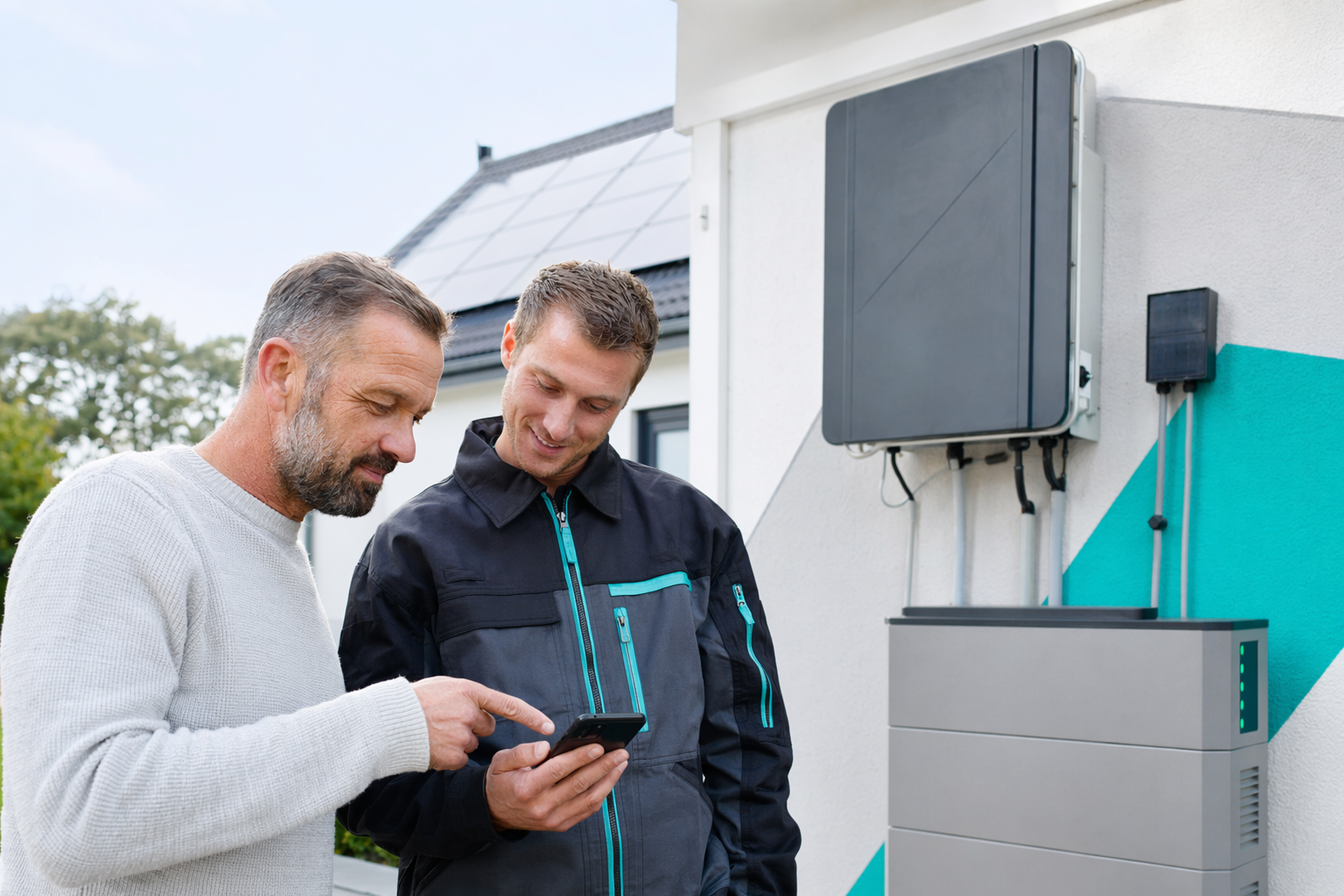
In plain English
If you are new to homeownership or new to the US, start with the basic words, check your roof and electric use, and compare written bids from licensed local installers so you can choose what fits your home.
Always hire licensed, insured installers — and verify the license, insurance, and warranties yourself.
Common questions
Do I need to speak perfect English to start looking at solar?
No. You can ask for plain-language explanations and written details you can review carefully. Take your time, ask questions, and do not choose an installer until you understand the scope, equipment, warranties, and price.
Can I get solar if I just bought the home and do not have a full year of electric bills yet?
Often, yes. Installers can use the information you do have, along with home details and your expected usage. Estimates may change as more real usage data becomes available.
Will solar keep my power on during a blackout?
Not always. Many grid-tied systems shut off during outages unless they include battery backup and are designed for backup operation. Ask which loads can run and for how many hours of backup for essentials.
What does Voltariva do, exactly?
Voltariva is a free matching service. We help homeowners understand the basics and connect with licensed local installers. We do not design, sell, finance, or install systems.