Guides
Solar maintenance & warranties
Solar panels and home batteries do not need constant attention, but they are not completely hands-off either. A little routine checking, plus clear warranty paperwork, can help you catch problems early and know who is responsible if something stops working.
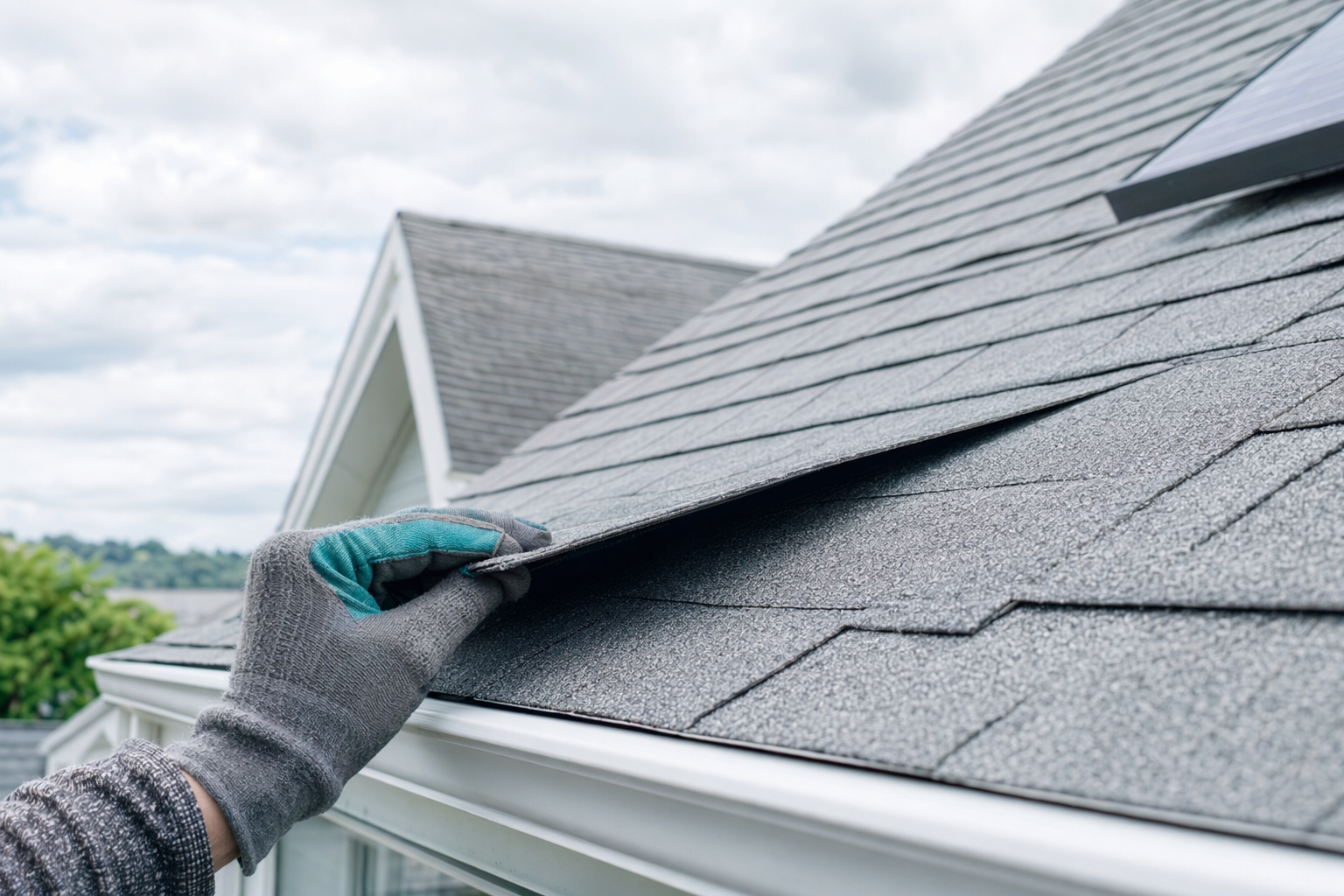
What maintenance solar panels and batteries usually need
Most rooftop solar systems are fairly low-maintenance. Panels have no moving parts, so day-to-day upkeep is usually light. In many homes, normal rain helps rinse off dust and pollen. Still, dirt, leaves, heavy pollen, bird droppings, or nearby tree debris can reduce output enough to be worth checking.
A practical routine is to look at the system a few times a year from the ground, review your monitoring app or portal regularly, and pay attention after major weather. If you notice cracked glass, loose-looking hardware, shading from new tree growth, water intrusion around roof areas, or a sudden drop in production, contact a licensed installer for inspection rather than climbing on the roof yourself.
Battery systems also need monitoring, but not much hands-on work from the homeowner. A battery is usually mounted indoors or on an exterior wall and managed by built-in software. What matters most is that the area stays within the equipment's allowed conditions, vents are not blocked if the manufacturer requires clearance, and any alerts in the app are reviewed. If backup power is part of the setup, ask how the system is supposed to behave during an outage and how to test that safely.
Common homeowner tasks are simple:
- Check monitoring for unusual production drops or battery alerts
- Look from the ground for visible panel damage or debris buildup
- Trim vegetation that may create new shade, if safe to do so
- Keep copies of warranty documents, equipment model numbers, and installer contact details
- Ask a licensed, insured professional about any roof leak, wiring concern, or equipment fault
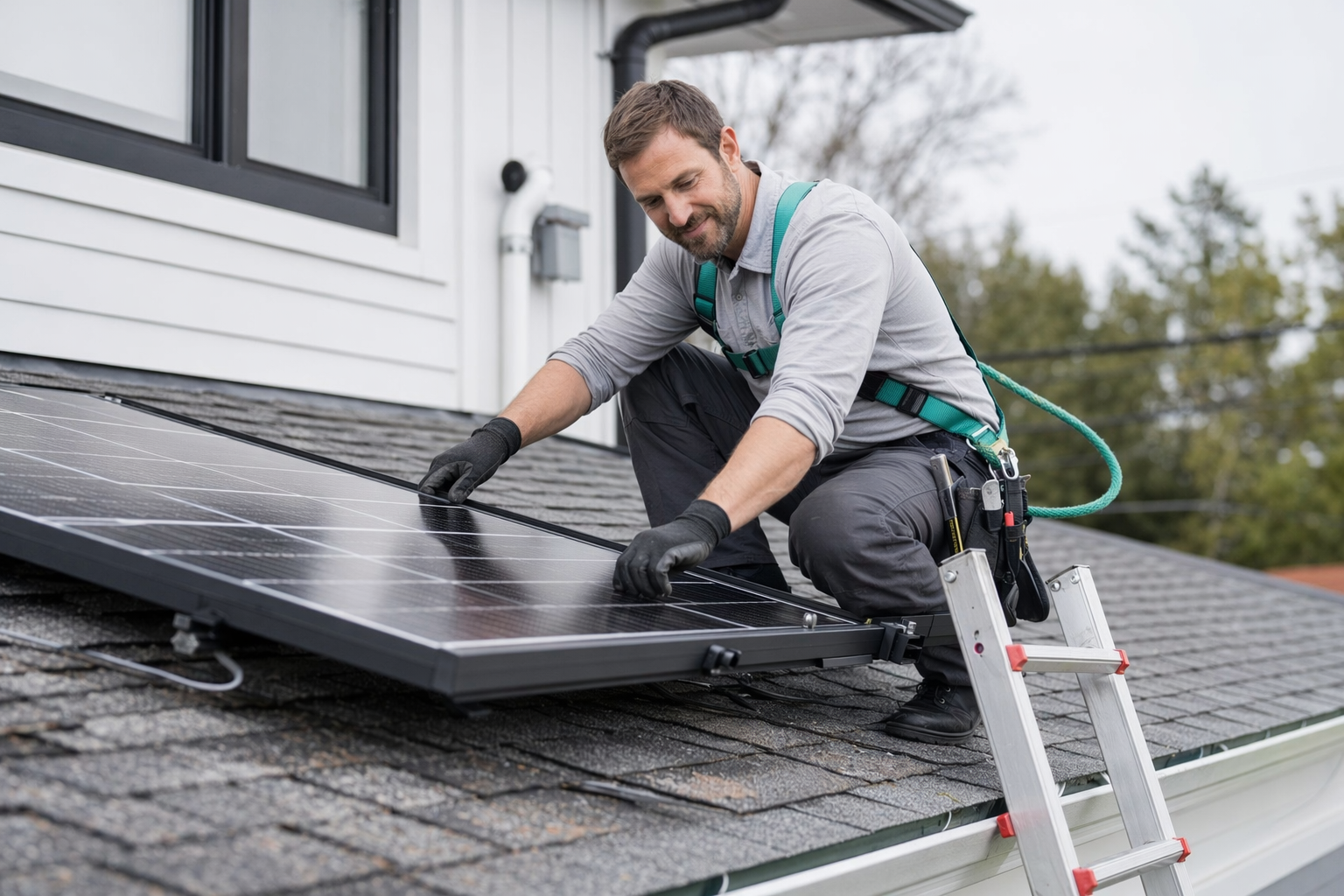
What monitoring can tell you, and what it cannot
Monitoring is one of the most useful parts of a modern solar system. It can show how much electricity the system is producing, whether the inverter is operating normally, and in many battery setups, how much stored energy is available in kWh and how the battery is charging or discharging. Some systems also show home consumption and grid use if extra metering was installed.
That said, monitoring is not the same as a full diagnosis. A production graph may tell you something changed, but it may not explain why. Lower output could come from weather, seasonal sun angle, shade, dirt, a tripped breaker, an inverter issue, a communication problem, or work being done by the utility. With batteries, an alert may point to temperature, software, communication, or operating limits rather than a failed battery itself.
It helps to know your own baseline. Compare one month to the same month last year rather than to a different season. If your system size is, for example, 6 kW or 9 kW, ask the installer what production range is typical for your roof and location, and what normal battery behavior looks like in an outage. Real performance depends on roof orientation, weather, shading, equipment, local utility rules, and how much of the home the battery is set up to support.
If you are still shopping, ask installers to explain the monitoring clearly and show sample screens before you sign. You can also review more general background in our guides or learn how a typical system is put together on rooftop solar installation.
The warranties to confirm in writing before work starts
Warranty language matters because there are usually several layers, and they do not all cover the same thing. A homeowner should ask for every warranty in writing and confirm who handles a claim: the installer, the equipment manufacturer, or both. Do not rely on verbal summaries.
For solar panels, there is often a product warranty for defects and a separate performance warranty about how the panel is expected to degrade over time. For the inverter, there is usually its own equipment warranty. For batteries, paperwork often covers the battery unit itself and may also describe a capacity or throughput standard over time. There may also be an installer workmanship warranty covering how the system was mounted, wired, flashed, and connected.
Ask direct questions such as:
- How many years is the workmanship warranty, and what exactly does it include?
- Who pays labor, shipping, roof access, or diagnostic costs during a warranty claim?
- If a battery or inverter fails, who starts the claim and who communicates with the manufacturer?
- Is roof penetration flashing covered if there is a leak tied to the installation?
- What actions could limit warranty coverage, such as unauthorized repairs or pressure washing panels?
It is also smart to confirm what happens if the original installer changes ownership or stops operating in your area. Manufacturer warranties may still apply, but service logistics can change. Keep signed contracts, final plans, equipment serial numbers, inspection records, and proof of permission to operate in one folder so you are not searching for paperwork later.
When to call a professional, and how Voltariva fits in
Call a licensed, insured installer or electrician if you see burning smells, water near electrical equipment, visible arc marks, persistent inverter errors, repeated shutdowns, storm damage, loose conduit, pest damage to wiring, or a major drop in production that does not make sense for the season. For battery systems, also call if the unit shows repeated fault alerts, will not charge or discharge as expected, or does not support the backed-up loads it was designed to handle.
Roof condition matters too. If your roof is aging, leaking, or close to replacement, ask whether service should wait until roofing issues are addressed. Solar and roofing need to work together. A solid system on a weak roof can create avoidable costs later. Make sure the scope, equipment, warranties, and any roof-related responsibilities are listed clearly in writing before work starts.
Voltariva does not install, repair, finance, or maintain solar or batteries. We are a free matching service that helps homeowners understand their options and connect with licensed local installers. If you want to compare proposals or ask maintenance and warranty questions before moving forward, you can get matched. When you submit a request, you agree to be contacted about your project.
The key is to stay in control of the decision. Compare bids, verify license and insurance, read the exclusions, and confirm who is responsible for equipment support, workmanship issues, monitoring setup, and warranty claims. A calm review up front usually prevents confusion later.
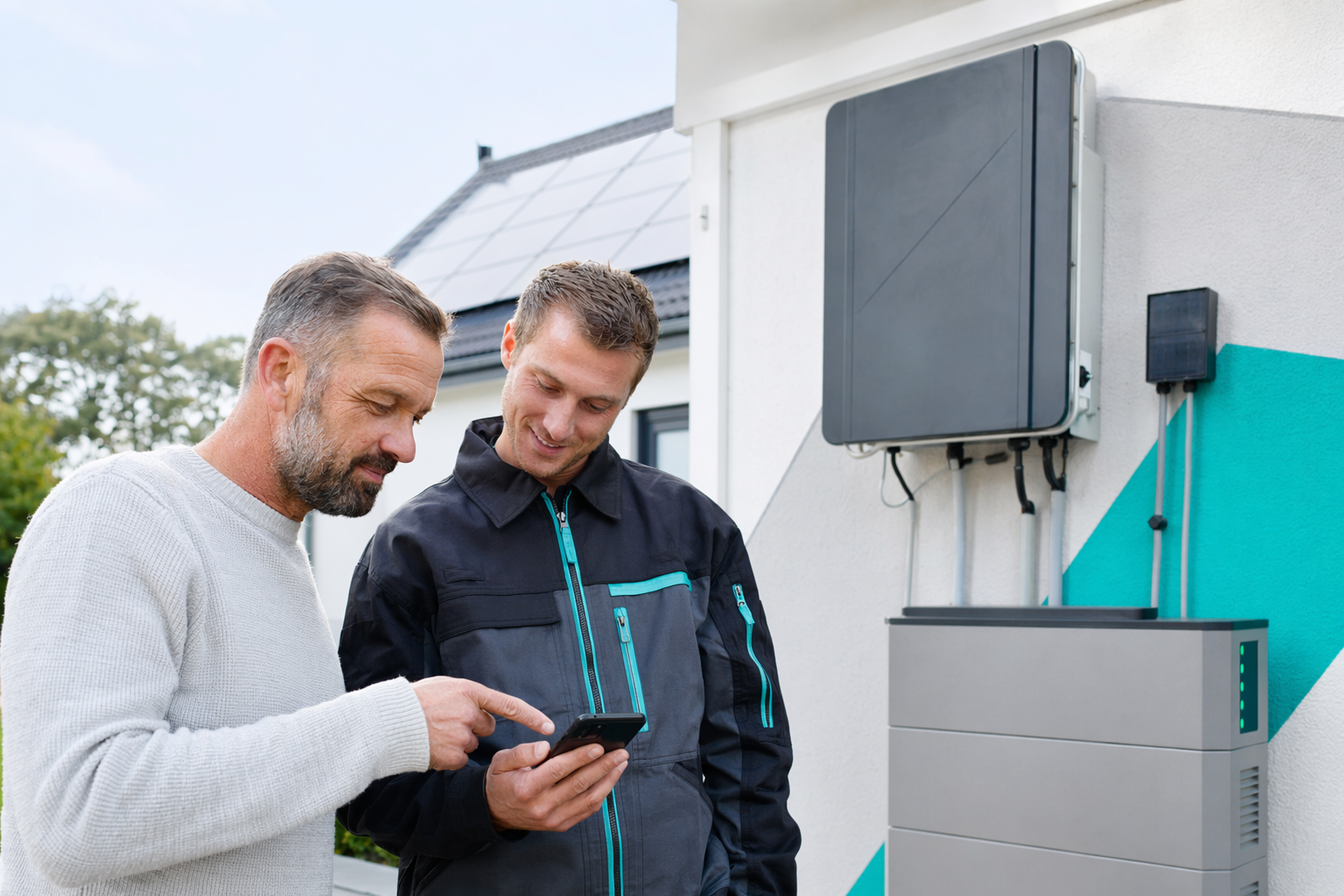
In plain English
Solar usually needs light upkeep, but you should watch the monitoring, keep your warranty paperwork, and make sure a licensed installer clearly explains who covers what if something goes wrong.
Always hire licensed, insured installers — and verify the license, insurance, and warranties yourself.
Common questions
Do solar panels need regular cleaning?
Sometimes, but not always. Many homes get by with rain and occasional visual checks. If heavy dust, pollen, leaves, or droppings build up, ask a professional whether cleaning is worthwhile and how to do it without damaging the equipment or roof.
How long do solar and battery warranties usually last?
Warranty lengths vary by panel, inverter, battery, and installer workmanship. The important step is to get each warranty in writing and confirm what is covered, for how long, and who handles labor and claim processing.
Can monitoring tell me if something is broken?
It can flag unusual production or battery behavior, but it does not always identify the exact cause. Monitoring is a useful warning tool, not a full diagnosis by itself.
Who should I call for service if my system has a problem?
Start with the licensed installer that did the work, unless your paperwork says otherwise. If there is a safety issue, visible damage, or water near electrical equipment, contact a qualified professional promptly and avoid touching the system yourself.