Guides
Solar permits, interconnection & inspection
After you sign a solar contract, there is usually a paperwork phase before any panels go on the roof and another approval phase before the system can be turned on. The details vary by city, county, utility, and installer, but the basic steps are similar across most rooftop solar projects.
What permits and approvals are for
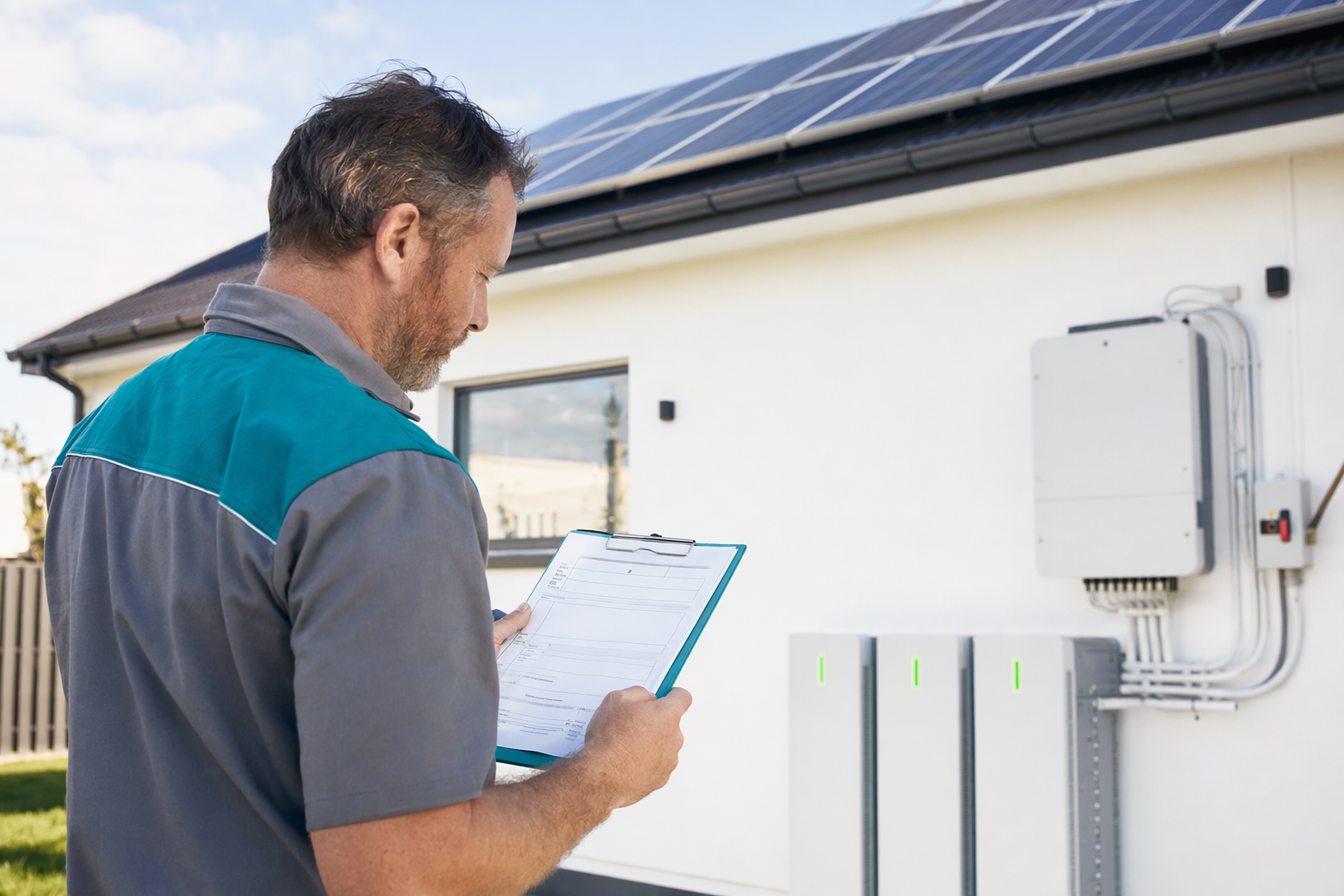
Solar is not just an equipment purchase. A rooftop system connects to your home, your roof structure, and the electric grid, so most projects need local permits, utility interconnection approval, and one or more inspections. These steps help confirm the system meets building, electrical, and safety rules.
In plain terms, the city or county usually checks whether the plans follow local code, and the utility checks whether the system can connect to the grid under its rules. After installation, an inspector may visit the home, and the utility may give final permission to operate, often called PTO.
For most homeowners, the installer prepares and submits the paperwork. Even so, it is smart to ask who is responsible for each step, what documents you may need to sign, and how updates will be shared. Voltariva is a free matching service, not an installer, so when you compare local bids, ask each company to explain its permit and interconnection process clearly in writing.
The usual timeline between signing and switch-on
A common order looks like this:
- site review and measurements
- system design and engineering
- permit application to the city or county
- utility interconnection application
- installation day or days
- local inspection
- utility review and permission to operate
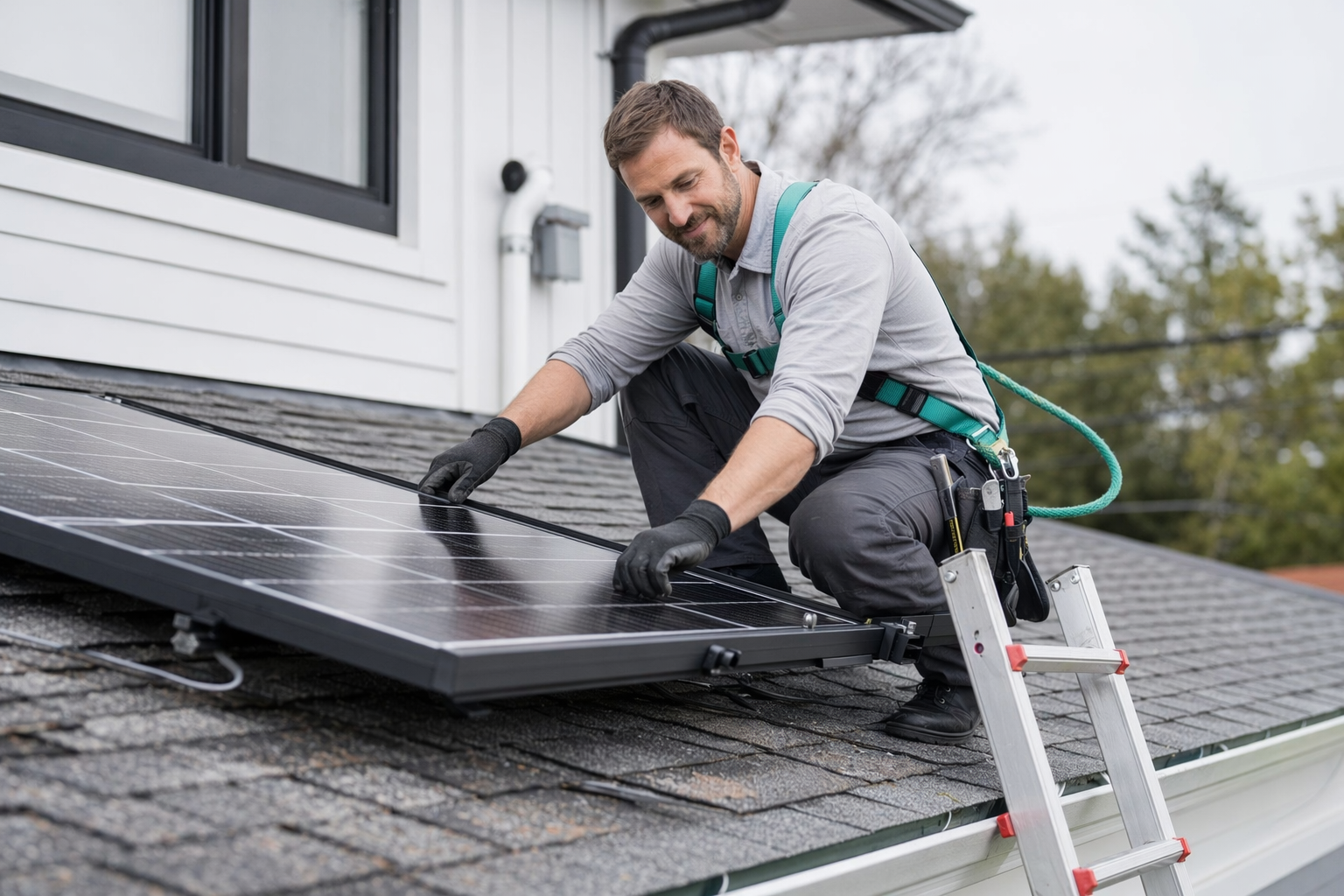
Rough timing can vary a lot. In many areas, permit review may take about 1 to 6 weeks, installation itself may take 1 to 3 days for a standard rooftop system, and inspection plus utility approval may add another 1 to 6 weeks. Some projects move faster. Others take longer because of local backlog, plan revisions, roof work, service panel upgrades, HOA review, or utility processing times.
Battery projects can add another layer because there may be extra electrical review, emergency shutoff requirements, or fire code requirements depending on the area. If the home needs a reroof first, that adds its own schedule before solar can move ahead. If you are still comparing the full process, systems/rooftop-solar-installation gives a broader overview.
The most helpful question to ask is not "How fast can you do it?" but "What are the likely steps and possible delays for my address?" A careful installer should be able to give a reasonable range, explain what they control, and explain what depends on the city, county, and utility.
Who handles what, and what the homeowner should check
In many cases, the installer handles plan sets, engineering documents, permit submissions, inspection scheduling, and the interconnection application. But do not assume every quote includes the same level of service. Ask whether permit fees, engineering, inspection coordination, and utility paperwork are included in the price, or listed separately.
You may still have homeowner tasks. These can include signing forms, providing a recent utility bill, confirming your legal name on the utility account, responding to HOA questions, approving change orders, or being present if the inspector or utility needs access. If a main panel upgrade or separate roof repair is needed, those jobs may involve additional contractors and separate permits.
Before work starts, ask for a written summary covering:
- which permits are needed
- who submits each application
- whether the installer or homeowner pays fees up front
- whether interconnection is included
- whether an inspection visit is expected
- what has to happen before the system can be turned on
- what happens if the permit office or utility asks for changes
This is also the point to verify that the company you hire is licensed and insured for the work being proposed, and to confirm equipment, scope, warranties, and pricing in writing. You are the decision-maker. Comparing details from more than one local bid can make differences in process and responsibility much easier to see. If you want help finding companies to compare, get matched is a free way to request local options. By submitting a request, you agree to be contacted about your project.
Common delays and how to avoid surprises
The biggest delays are often ordinary paperwork issues, not dramatic problems. Examples include missing signatures, wrong utility account information, revised plans after a site visit, permit office backlog, roof condition concerns, structural questions, panel upgrade needs, and inspection corrections. Homes with older electrical equipment or roofs near the end of their life often need more coordination.
One homeowner, for example, expected a quick install on a medium-size rooftop system of around 6 to 9 kW, but the project slowed down when the installer found roof sections that needed attention and the utility required extra review because of the existing service setup. Nothing was wrong with going solar, but the timeline stretched from a few weeks to a couple of months because the home needed extra prep. That kind of delay is frustrating, but it is not unusual.
You can reduce surprises by asking early whether the roof is ready, whether the electrical panel is likely to need changes, and whether batteries are part of the plan. If you are considering backup, ask in real units. For example, a battery may be described by usable capacity in kWh, and backup duration is usually discussed as hours of power for essentials, not whole-home unlimited backup.
If you want to learn the broader basics before comparing bids, guides can help. Then ask each installer the same practical questions: What is included, what is not included, what approvals are still needed, and what timeline range is realistic for this address. A careful, written answer is usually more useful than a fast verbal estimate.
In plain English
Between signing and switch-on, solar usually goes through local permits, utility approval, and inspection, and the best protection for a homeowner is a licensed installer, clear written scope, and realistic timeline expectations.
Always hire licensed, insured installers — and verify the license, insurance, and warranties yourself.
Common questions
Do I need to get the permits myself?
Usually no. Many installers handle permit and interconnection paperwork, but you should confirm that in writing because included services can differ by company.
How long does it take from signing to turning the system on?
It depends on local review times, utility processing, roof condition, and project complexity. A common range is several weeks to a few months, not just the installation day.
What is permission to operate?
It is the utility's final approval to switch on a grid-connected solar system after required steps like installation and inspection are complete.
Can a failed inspection kill the project?
Not usually. Many inspection issues are correctable, such as labeling, wiring details, or documentation updates. Ask the installer who handles corrections and any reinspection steps.