Quick answers
Do solar panels work in winter and on cloudy days?
Yes. Solar panels still make electricity in winter and on cloudy days, just usually less than they do during long, bright summer days. For most homeowners, the real question is not whether solar works at all, but how much production changes by season, weather, roof direction, and whether adding a battery makes sense for backup.
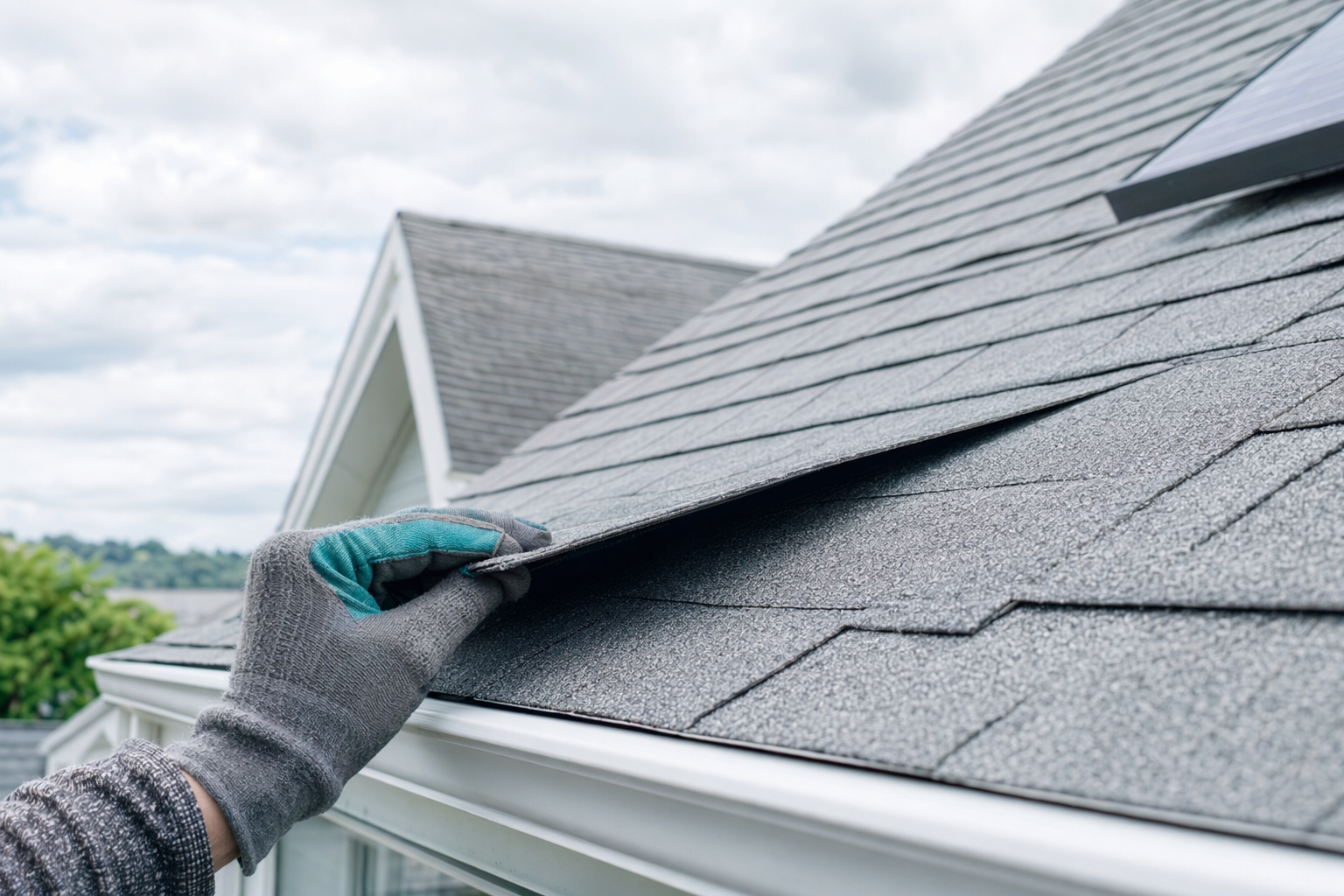
How solar works when the weather is not ideal
Solar panels do not need hot weather to work. They need daylight. Panels can produce power in direct sun, in thin cloud cover, and even on overcast days, because sunlight still reaches the roof. What changes is the output level.
On a cloudy day, a system may produce much less than it would under clear midday sun. A rough rule of thumb is that production can drop to a fraction of peak output, sometimes around 10% to 60% of normal daytime production, depending on cloud thickness, time of day, panel angle, shading, and local conditions. The exact result varies from home to home.
Winter brings another change: shorter days. Even if panels are working efficiently in cold air, there are fewer daylight hours to produce energy. Snow, shade from bare trees, and low sun angles can also reduce production. That is why many solar systems make more total electricity in spring and summer and less in late fall and winter.
Cold temperatures themselves are not usually the problem. In fact, solar panels often operate more efficiently in cool weather than in extreme heat. The biggest winter issues are reduced daylight, snow cover, and the angle of the sun.
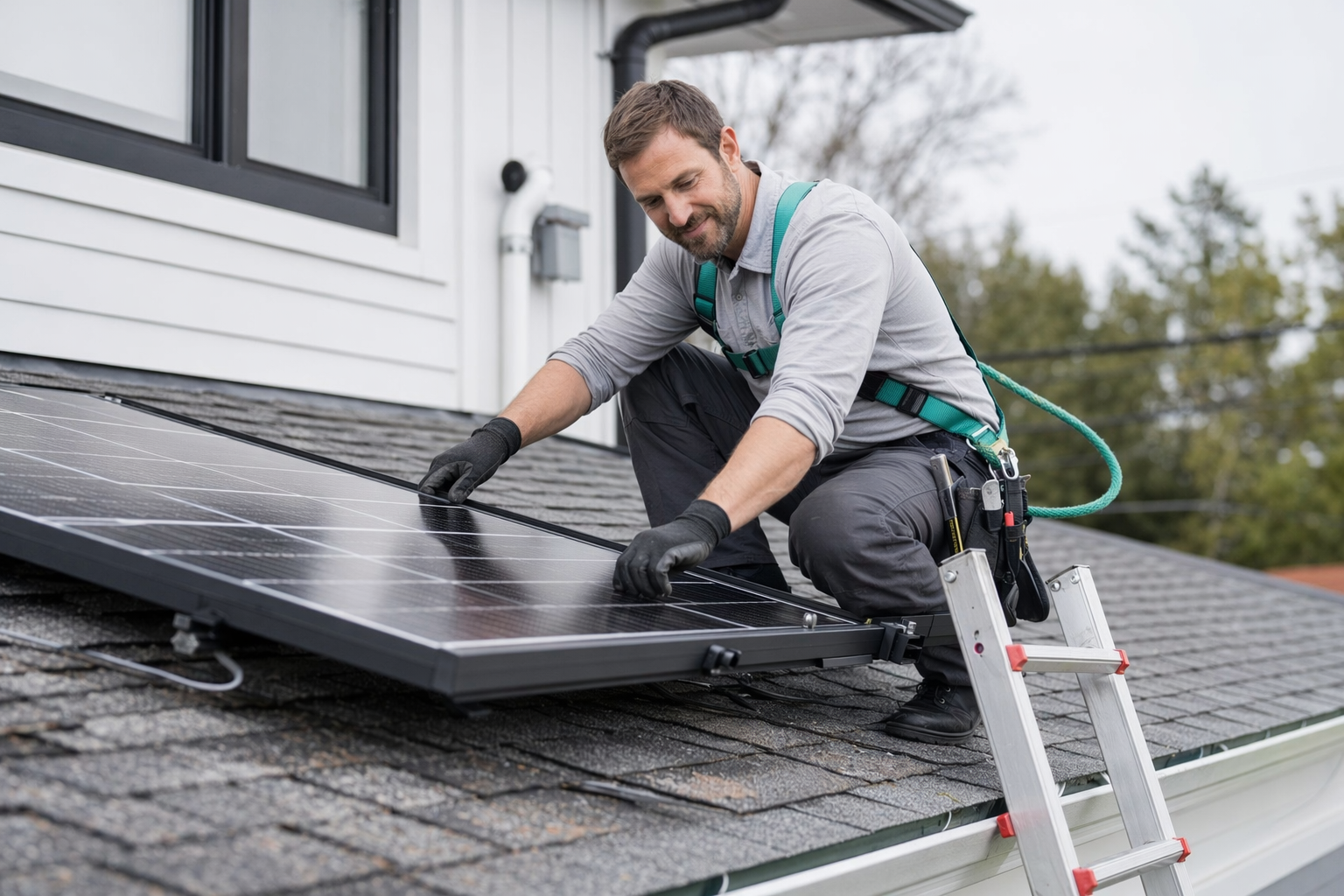
What homeowners can realistically expect in winter
A rooftop solar system is typically sized to offset part or all of a home's yearly electricity use, not to produce the same amount every month. That means seasonal swings are normal. One home might produce strongly from March through October and then see lower output in December and January.
A common residential system might be around 5 kW to 12 kW, but winter production from that system can vary widely based on state, roof pitch, orientation, snow, and utility rules. A south-facing roof with little shade usually performs differently from an east-west roof or a roof with nearby trees. This is why yearly estimates matter more than one cloudy week.
If your usage rises in winter because of electric heat, heat pumps, holiday lighting, or more time spent indoors, your utility bill may still be higher in that season even with solar. That does not mean the system failed. It usually means winter consumption and winter production did not match month to month.
When you compare proposals, ask each installer to show estimated annual production, monthly production by season, and the assumptions used. The person reviewing bids should confirm the equipment, system size in kW, expected production range, roof layout, and any shading notes in writing before work starts.
Cloudy weather, batteries, and backup power
Cloudy weather matters most when you are thinking about backup, not just annual energy production. Solar alone does not automatically keep your home on during a power outage. In most cases, a standard grid-tied solar system shuts off during an outage unless the home has the right backup equipment, which often includes a battery.
Home batteries are measured in kWh. Many homes consider batteries in the range of about 10 kWh to 30 kWh or more, depending on what they want to keep running. Backup time is usually discussed in hours for essential loads, not the whole house. Essentials may include the refrigerator, some lights, internet, phone charging, garage door opener, and selected outlets.
On sunny days after an outage, solar may help recharge the battery. On cloudy days, recharge may be slower. In winter, shorter days may also limit how much the battery can refill from solar alone. That is why homeowners should think carefully about what they want backed up and for how long.
If you are not sure where to start, how to size a solar system can help you think through usage, roof space, and backup priorities. A licensed local installer can then confirm whether your roof and electrical setup are a good fit for solar-plus-storage.
How to judge if your home is a good candidate
The best way to evaluate winter and cloudy-day performance is to look at your specific home, not broad claims online. Two houses on the same street can have very different results because of roof direction, pitch, vents, dormers, tree shade, local weather, and electric usage patterns.
Ask installers to walk through these points:
- Roof orientation and tilt
- Shade in winter versus summer
- Usable roof area for panels
- System size in kW that fits the roof
- Battery size in kWh if you want outage backup
- Which appliances or circuits would be backed up
- Estimated production by month and by year
- Permits, timeline, warranties, and total installed price
Voltariva is a free matching service. We do not sell, finance, design, or install solar, roofing, or battery systems. We help homeowners understand the basics and connect with licensed local installers so they can compare options calmly. If you submit a request, matching is free and you agree to be contacted about your project. You can also visit help for general guidance or get matched if you want to compare local quotes.
Before signing anything, verify that the installer is licensed and insured, review equipment and warranty details, and make sure the final scope, price, and any production estimate assumptions are clearly written down. The homeowner should compare bids and choose the installer that fits their priorities.
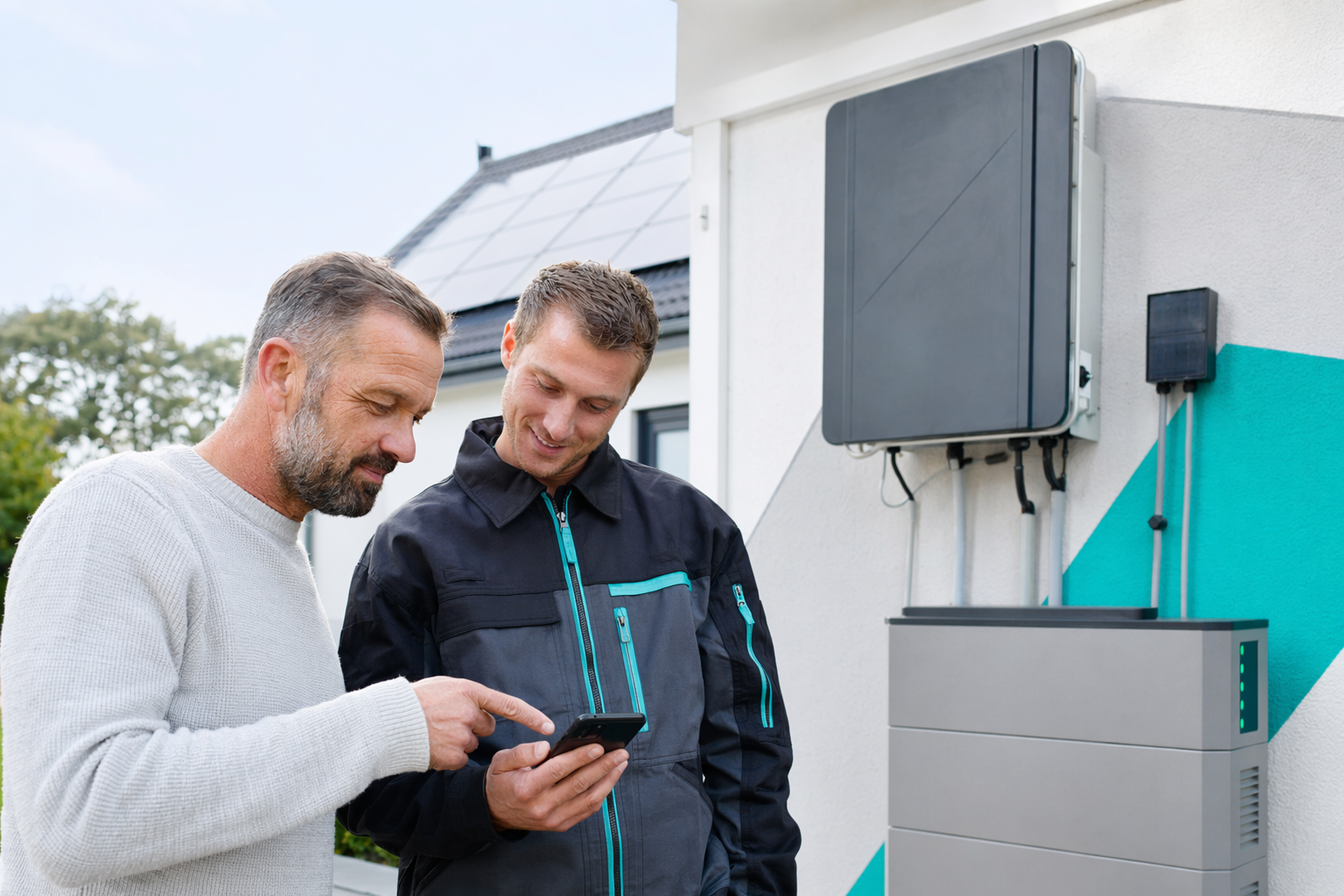
In plain English
Solar panels still work in winter and on cloudy days, but they usually make less power, so the right question is how your specific roof, weather, and backup goals affect year-round performance.
Always hire licensed, insured installers — and verify the license, insurance, and warranties yourself.
Common questions
Do solar panels produce electricity when it snows?
Yes, if daylight reaches the panels. But production can drop sharply if snow covers the panels or if the sky is heavily overcast.
Are solar panels useless on cloudy days?
No. They usually still produce power on cloudy days, just at a lower level than on clear, sunny days.
Do solar panels work better in cold weather or hot weather?
Panels often operate more efficiently in cooler temperatures than in extreme heat. Winter output is usually lower because of shorter days, lower sun angle, and possible snow, not because the air is cold.
Will a battery keep my whole house running during a winter outage?
Usually not unless the battery system is sized for that purpose. Many homeowners use batteries to back up essentials for a number of hours, with exact runtime depending on battery capacity in kWh and what loads are connected.