Quick answers
How big a home battery do I need?
The right home battery size depends on what you want to keep running, for how long, and whether you want backup for just the essentials or for much more of the house. Most homeowners start by thinking in **kWh of storage** and **hours of backup**, not in vague promises.
Start with what you want to power
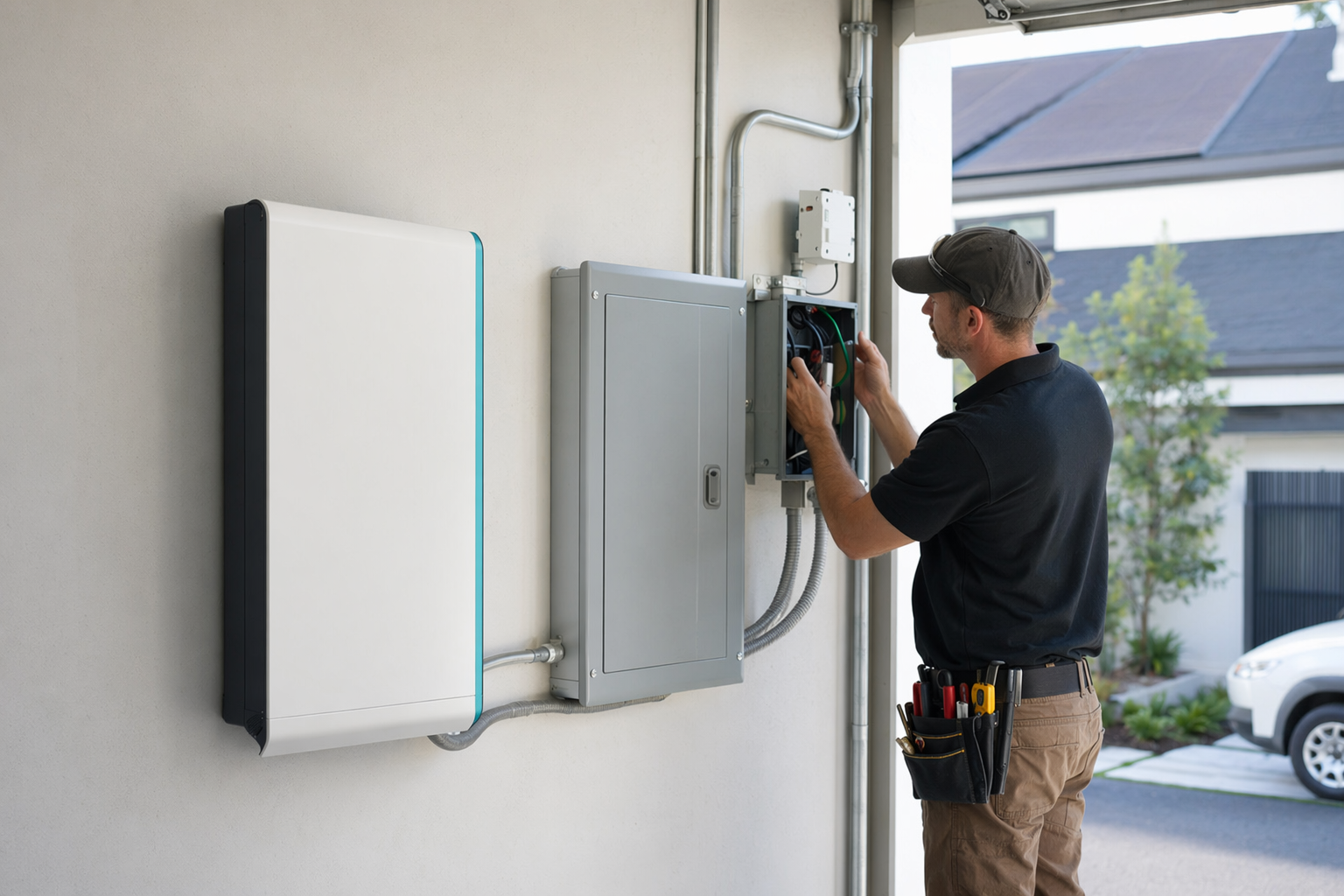
A battery is usually sized around your essential loads first. That means the things you care about during an outage, such as the refrigerator, some lights, internet equipment, phone charging, a few outlets, and sometimes a sump pump or garage door opener. If you want whole-home backup, the battery size usually needs to be much larger.
A simple way to think about it is this: battery capacity is measured in kilowatt-hours (kWh), and your home uses electricity in kilowatts (kW) at any given moment. If your essentials use around 1 to 2 kW on average during an outage, then a battery with roughly 10 to 15 kWh of usable storage may cover several hours of backup. If your loads are higher, the backup time gets shorter.
It helps to make a short list before you talk to installers:
- What must stay on no matter what
- What would be nice to have
- How many hours of backup you want
- Whether you want overnight backup, short outage coverage, or multi-day resilience
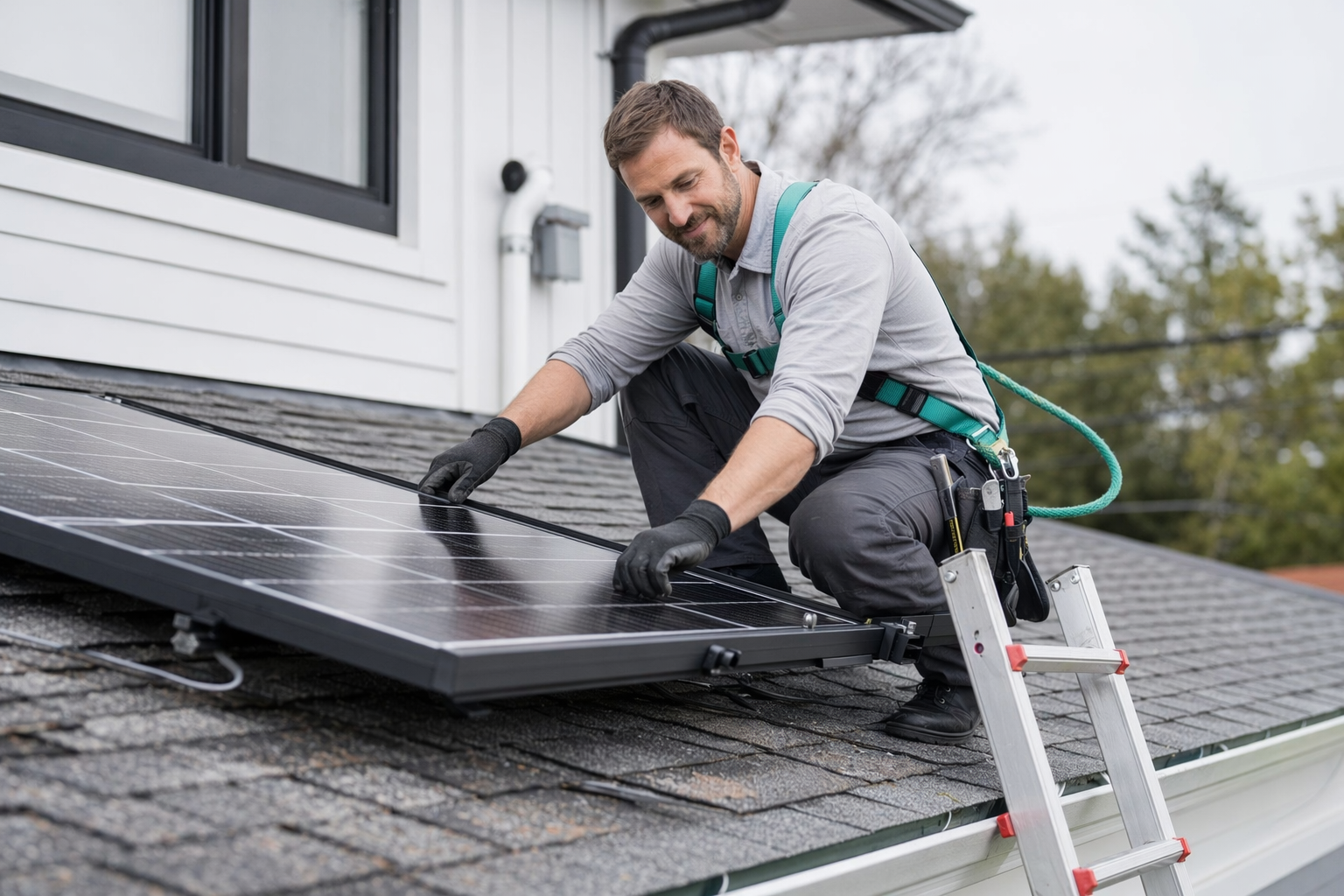
If you are also planning solar, your solar system size matters too. Solar can help recharge the battery during the day, but the right setup depends on your roof, local weather, and energy use. If you need that part explained first, see how to size a solar system.
Typical battery size ranges homeowners consider
For many homes, a single battery in the rough range of 10 to 15 kWh is a common starting point for essential backup. That may be enough for a refrigerator, lights, Wi-Fi, device charging, and a few small circuits for part of a day, depending on how carefully power is used.
If you want to include more loads, such as a larger well pump, medical equipment, more outlets, or longer backup time, homeowners often look at roughly 15 to 30 kWh total storage. That can mean one larger unit or multiple batteries working together. Homes aiming for more comprehensive backup may need 30 kWh or more, especially if the goal is to cover many circuits or longer outages.
The biggest sizing mistakes usually happen when people forget about high-demand equipment. Central air conditioning, electric resistance heat, electric water heaters, ovens, clothes dryers, and some EV chargers can use a lot of power. Even if a battery has enough total kWh, it also has to handle the instant power draw in kW. That is one reason written equipment details matter.
A local installer can calculate this more accurately from your panel, appliances, and usage history. Voltariva is a free matching service, not an installer. We help homeowners understand the basics and, if requested, reach licensed local installers to compare options at no cost.
How long will a battery run my home?
There is no one answer because backup time depends on how much power you use during the outage. A battery does not run a house for a fixed number of hours on its own. The same battery might last much longer in one home than another.
As a rough example, if a household keeps usage lean and runs only essentials, a battery in the 10 to 15 kWh range might provide several hours of backup, and sometimes longer overnight if loads stay low. If higher-demand items switch on often, that same battery may drain much faster. Two or more batteries can extend runtime, but the real result depends on actual load patterns.
Solar can improve outage coverage because it may recharge the battery during daylight hours, assuming the system is designed for backup operation and there is enough sun. But solar alone does not guarantee all-day or multi-day backup, especially during storms or heavy cloud cover.
When you compare bids, ask each installer to show in writing:
- Estimated usable battery capacity in kWh
- Maximum output power in kW
- Which circuits or appliances are included in backup
- Estimated backup duration for your listed essentials
- Any limits on starting large motors or running heating and cooling equipment
How to choose the right size without overspending
A good target is usually the smallest battery setup that covers the outages you actually care about. If short outages are common where you live, essential-load backup may be enough. If outages last longer or you rely on electric medical devices, a well pump, or refrigeration for medication, you may want more storage and a clearer plan for runtime.
It is smart to get more than one quote and compare them side by side. The homeowner is the decision-maker. You choose the installer, and you should confirm the battery size, backed-up loads, equipment model, warranties, monitoring, total price, and any maintenance expectations in writing before work starts. Also verify that the installer is licensed and insured.
Voltariva does not sell, finance, design, or install battery systems. Our role is to make the topic easier to understand and, if you want, help you reach local licensed installers through our free matching service. When you submit a request, you agree to be contacted about your project. You can start with help if you still have questions, or get matched when you are ready to compare local options.
Plainly put, battery sizing is about tradeoffs. More kWh usually means more potential runtime, but only if the system can also support the loads you want to run. A right-sized proposal should match your outage goals, your home, and your budget, not a one-size-fits-all pitch.
In plain English
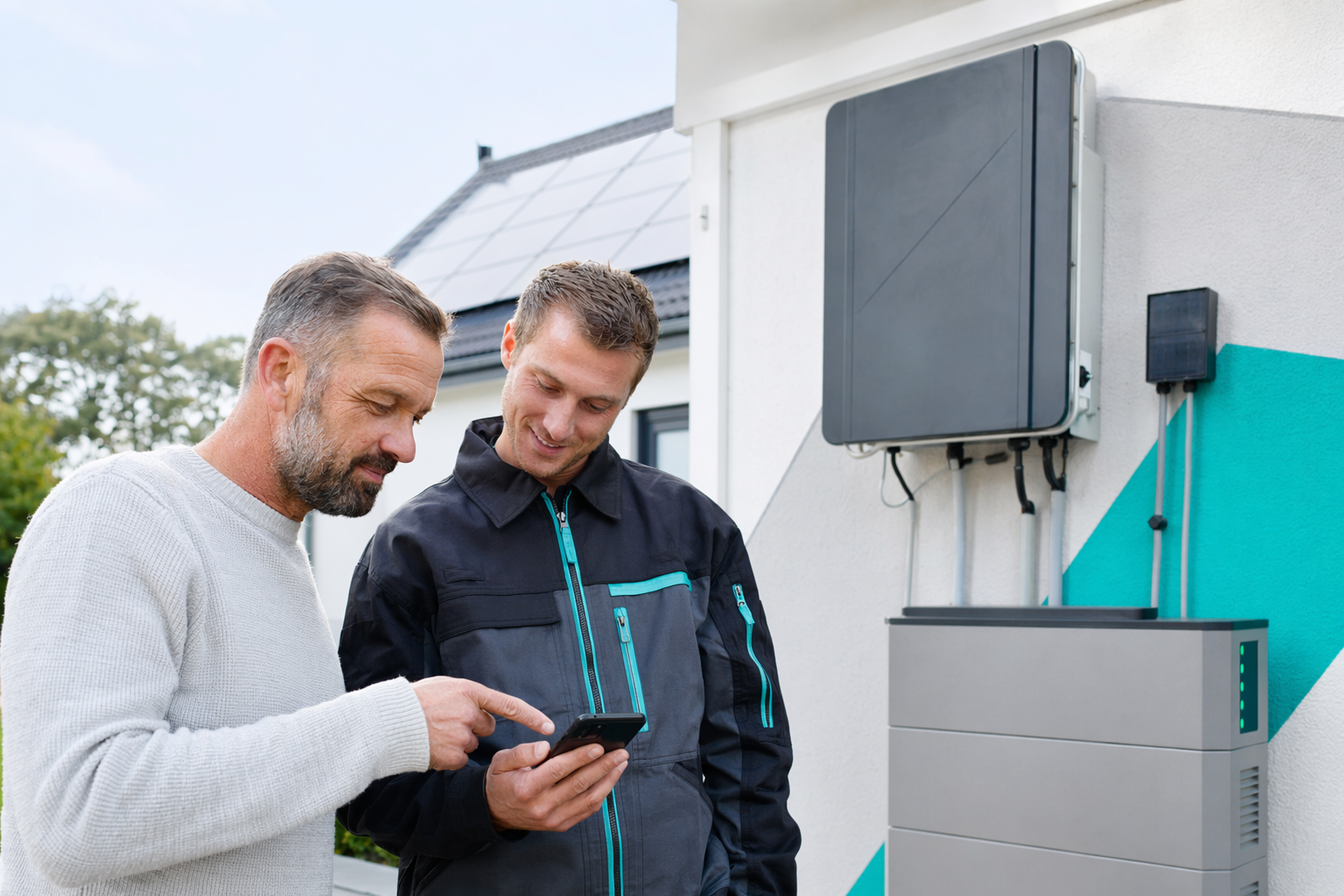
Pick a battery size based on the appliances you need during an outage and how many hours you want them to run, then compare written quotes from licensed local installers.
Always hire licensed, insured installers — and verify the license, insurance, and warranties yourself.
Common questions
Is one home battery enough?
Sometimes. One battery in the rough 10 to 15 kWh range may be enough for essentials in some homes, but whole-home backup or longer outages often require more total storage.
Can a battery run my air conditioner?
Maybe, but it depends on the air conditioner's startup and running power, the battery's output in kW, and how much total storage you have. Larger HVAC loads often need careful planning.
Should I get a battery without solar?
Some homeowners do, especially if outage backup is the main goal. But whether that makes sense depends on your outage pattern, utility setup, and how you plan to recharge the battery.
How do I compare battery quotes?
Compare usable kWh, output in kW, backed-up circuits, estimated hours for essentials, equipment details, warranties, total price, and the installer's license and insurance. Get the final scope in writing.