Quick answers
How long do solar panels last?
Most rooftop solar panels last a long time, but “how long” is not the same as “works forever.” For most homeowners, the useful life is usually measured in decades, with output slowly declining over time rather than stopping all at once.
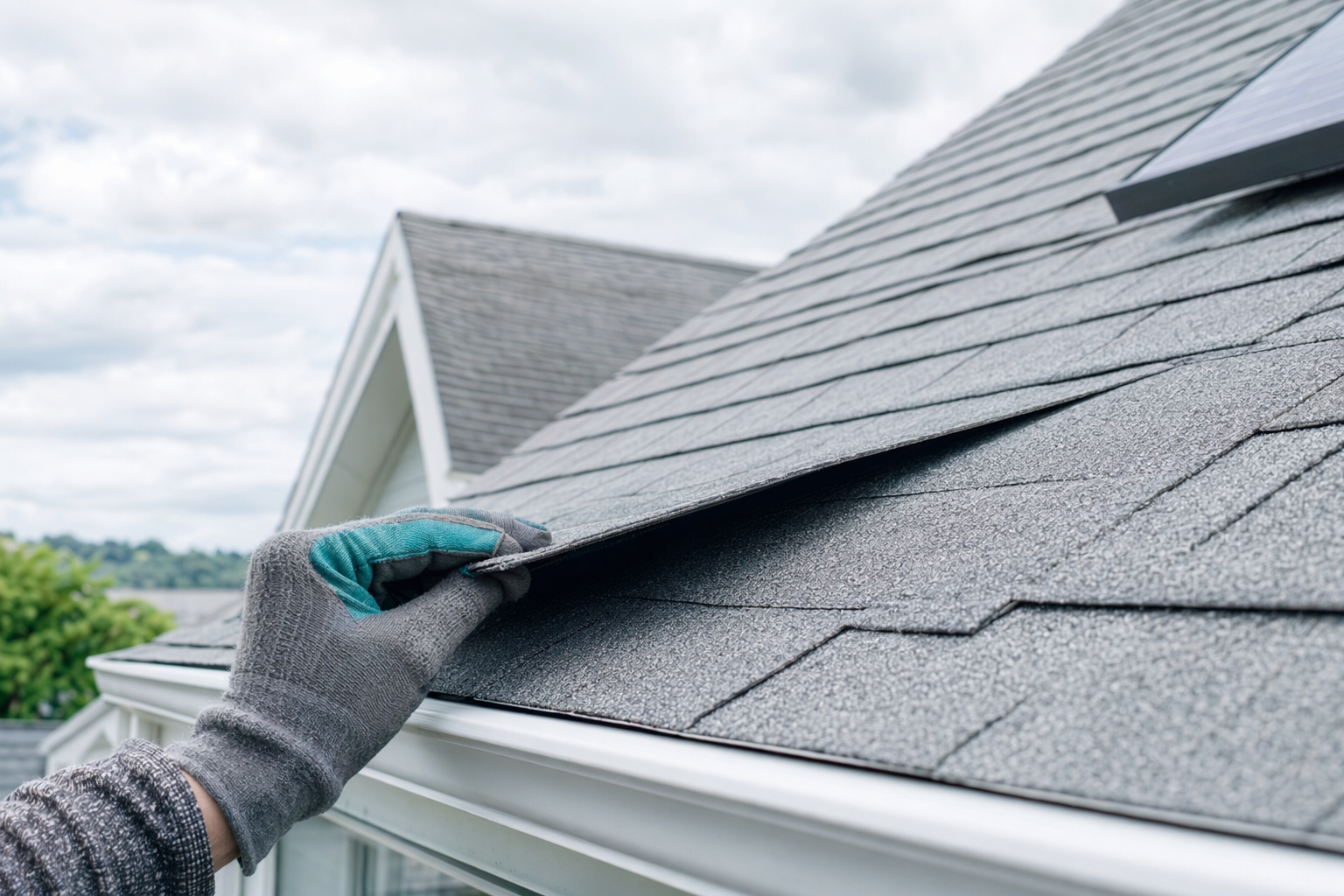
How long solar panels usually last
A common range for modern rooftop solar panels is about 25 to 30 years of useful production, and some systems keep producing beyond that. What changes over time is usually output, not whether the panel turns on at all. A panel at year 25 may still work, but it may produce less electricity than it did when it was new.
Many manufacturers offer a product warranty and a separate performance warranty. The product warranty covers defects in materials or workmanship for a set number of years. The performance warranty usually says the panel should still produce at or above a certain percentage of its original output after a long period, often around 25 years. Exact terms vary, so homeowners should read the written warranty, not rely on a verbal summary.
Panel lifespan is only part of the picture. A solar system also includes mounting hardware, wiring, and an inverter, and these parts may have different service lives. That means a system can keep its panels for decades while still needing other equipment replaced or serviced along the way.
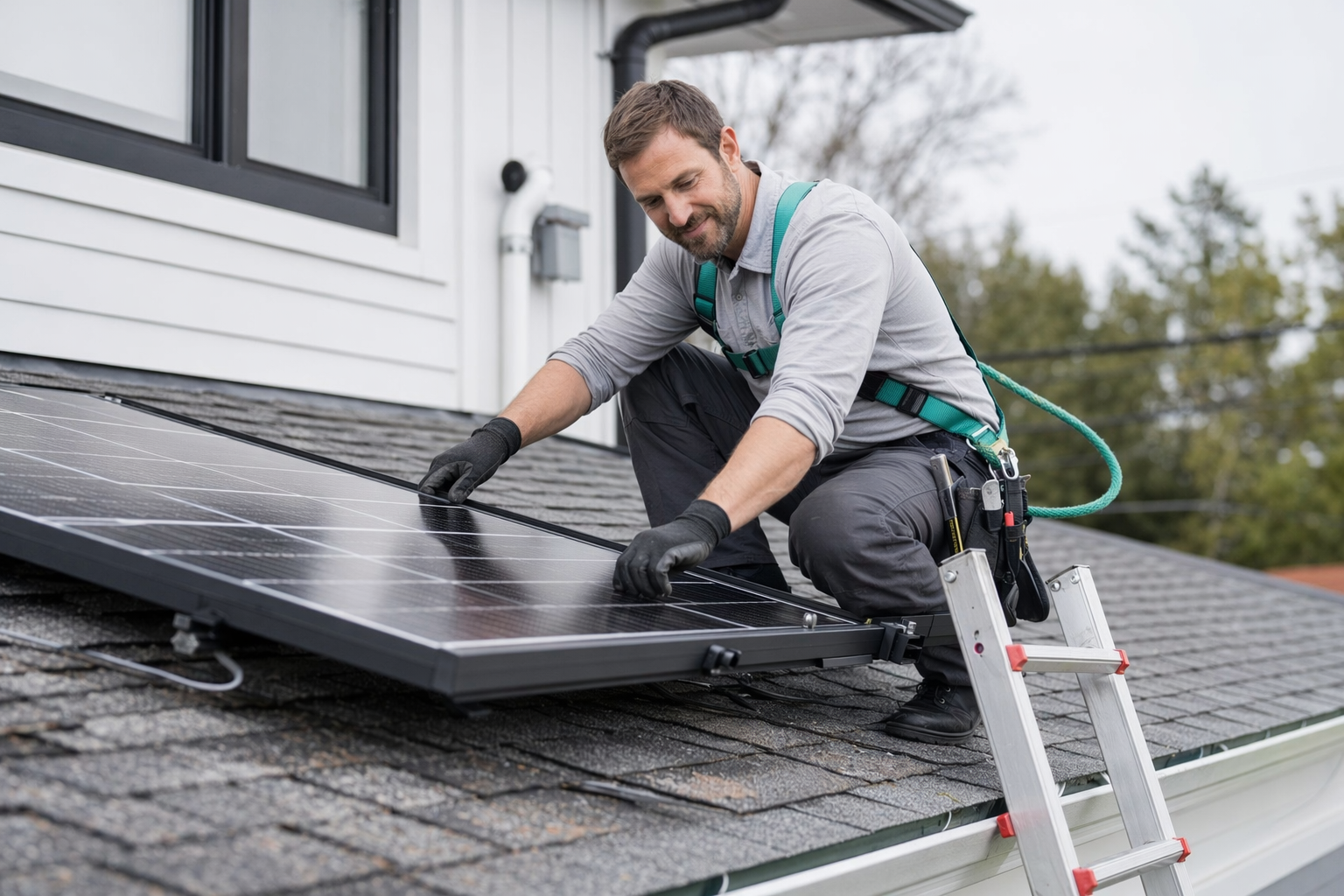
What affects panel lifespan
The biggest factors are weather, installation quality, and roof condition. Panels on a well-built roof with good flashing and solid mounting tend to age better than panels installed on a roof that already has problems. Heat, humidity, hail, salt air, heavy snow, and strong wind can all affect wear over time, though quality equipment is designed for outdoor exposure.
Installation quality matters more than many homeowners expect. Poor attachment points, bad cable management, or shortcuts around roof penetrations can lead to problems that are not really “panel failure” but still affect the life of the system. That is one reason it is important to work with licensed, insured local installers and confirm in writing what equipment, mounting method, workmanship coverage, and roof-sealing details are included.
Maintenance is usually fairly light, but it still matters. Debris buildup, shade from growing trees, and unnoticed damage can reduce production. If you are early in the planning stage, how to size a solar system can help you understand how system size, roof space, and future needs fit together.
Do solar panels fail all at once?
Usually, no. Most panels lose output gradually, a process often called degradation. In plain terms, that means the system may make a little less electricity each year. The exact rate depends on the panel, climate, and installation, so it is better to think in ranges than exact promises.
There can still be individual problems. For example, one panel may underperform because of physical damage, a manufacturing issue, or a connection problem. In other cases, the panel is fine but the inverter is the part that needs attention. String inverters often have a shorter expected service life than the panels themselves, while panel-level electronics also have their own warranty terms and replacement considerations.
A homeowner may first notice an issue through monitoring data, a drop in production, or a system alert. That is why it helps to ask before installation:
- What monitoring is included?
- Who handles warranty claims?
- What labor is covered, and for how long?
- If equipment fails, who diagnoses the problem?
Those details often matter just as much as the panel’s headline lifespan.
What this means if you are comparing solar and battery options
If you are considering solar-plus-storage, remember that panels and batteries age differently. Solar panels are usually discussed in terms of decades of production. Home batteries are usually discussed in kWh of storage, warranty years, and expected cycling over time. Backup is best thought of in hours for essential loads, not as a promise that the whole house will run normally for an unlimited time.
For example, one homeowner might install a rooftop system in the 6 kW to 10 kW range with a battery sized around 10 kWh to 20 kWh for key circuits. Another home may need a different setup depending on air conditioning, heating type, medical equipment, outage patterns, roof shape, and utility rules. Real performance depends on the roof, system size, battery size, equipment, weather, local rates, and incentives.
If your roof is older, roof-readiness should be part of the conversation before any installation starts. It can be smarter to address roofing first than to remove and reinstall panels a few years later. Voltariva is a free matching service, not an installer, and can help you understand your options and reach local licensed installers to compare bids. You can learn more at Help or get matched.
When you submit a request through Voltariva, matching is free, and you agree to be contacted so you can compare local options. You stay in control: review the proposals, verify license and insurance, and confirm the final scope, equipment, warranties, timeline, and price in writing before work begins.
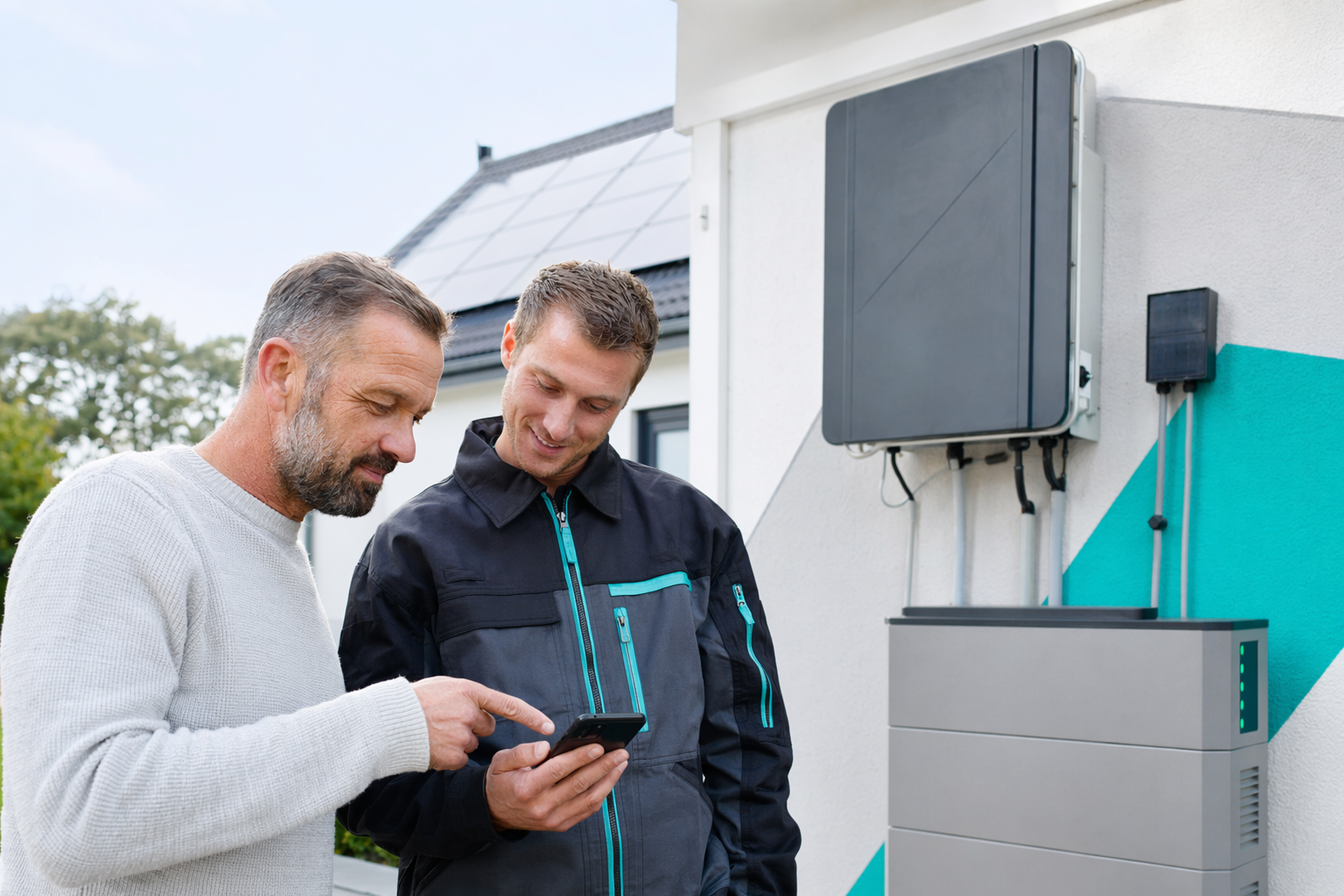
In plain English
Solar panels usually keep working for decades, but they slowly produce less over time and the full system may need repairs or part replacements before the panels themselves are done.
Always hire licensed, insured installers — and verify the license, insurance, and warranties yourself.
Common questions
Can solar panels last more than 30 years?
Yes, some do. But after decades, output is usually lower than when the panels were new, and other system parts may need replacement earlier.
How often do solar panels need maintenance?
Usually not much, but periodic inspection can help. Homeowners may need occasional cleaning, vegetation control, and checks for damage, loose wiring, or roof issues.
What part of a solar system usually wears out first?
Often the inverter or another electrical component, not the panel itself. Exact timing depends on equipment type, climate, and installation quality.
Should I replace my roof before adding solar?
If the roof is near the end of its life, it is often worth discussing roofing first. Removing and reinstalling a solar array later can add cost and hassle.