Quick answers
How long does a home battery last?
A home battery does not have one single “lifespan.” There are really two different answers: how many hours it can run part of your home during an outage, and how many years it usually keeps working before it needs replacement. Both depend on battery size, what you power, how often it cycles, and your local conditions.
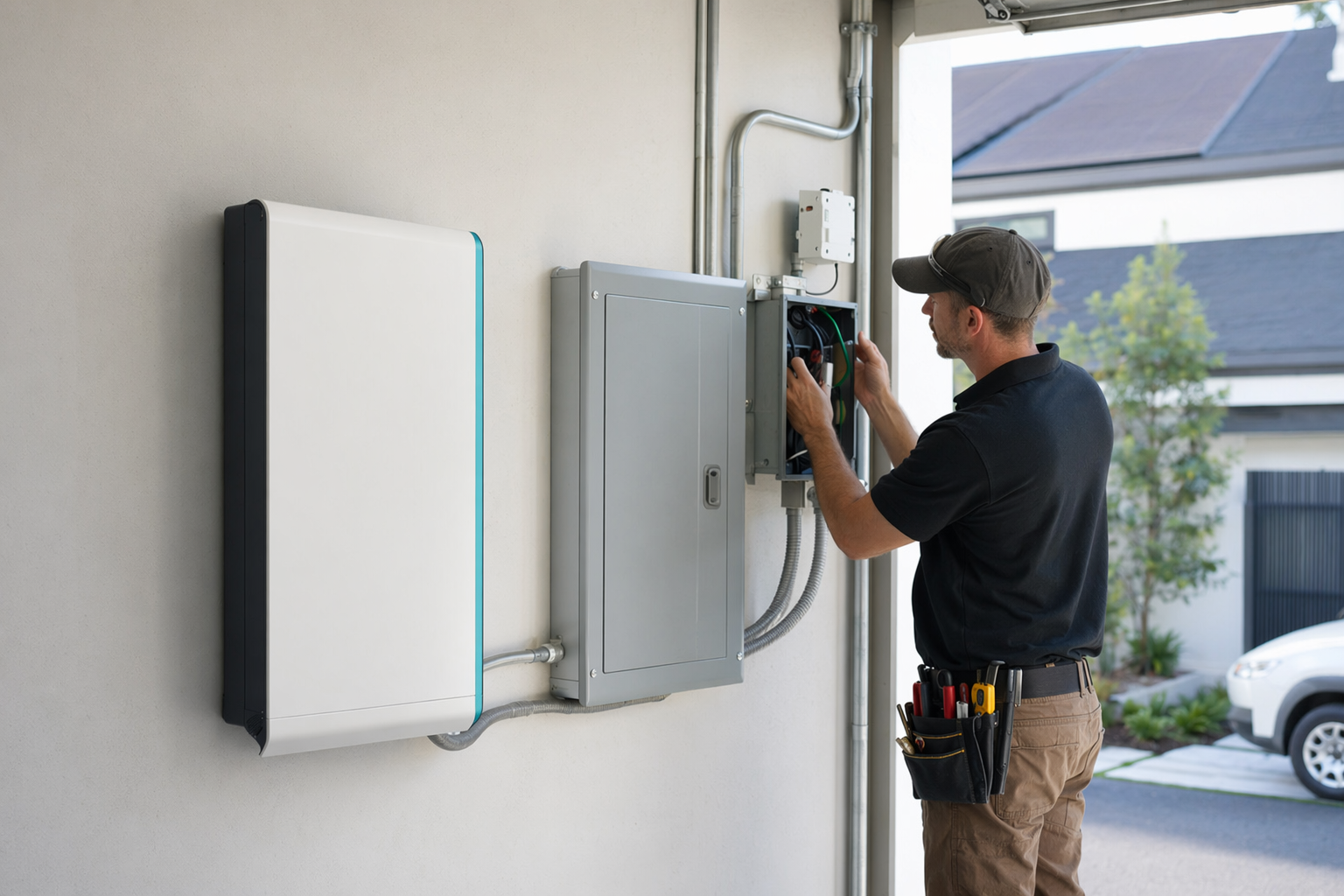
How many hours can a home battery run your house?
For outage backup, the short answer is usually hours, not days, unless you have a larger battery setup and carefully manage what stays on. Home battery capacity is measured in kilowatt-hours (kWh). A larger kWh number generally means longer backup time.
Many homes use batteries sized roughly in the 10 to 20 kWh range, though some setups are smaller or larger. In real life, that might cover essentials like the refrigerator, lights, internet, phone charging, and some outlets for several hours to around a day. If you also run central air conditioning, electric resistance heat, a dryer, or an oven, backup time can drop a lot.
A simple way to think about it:
- Smaller battery capacity: often enough for shorter outages or a limited essentials panel
- Mid-range battery capacity: often better for overnight backup of essentials
- Larger battery banks: can extend backup time, especially if heavy loads are limited
If you are still figuring out what size system makes sense, this guide can help you understand the load side of the decision. The important part is to ask each installer to show, in writing, which circuits will be backed up and the estimated runtime for those loads.
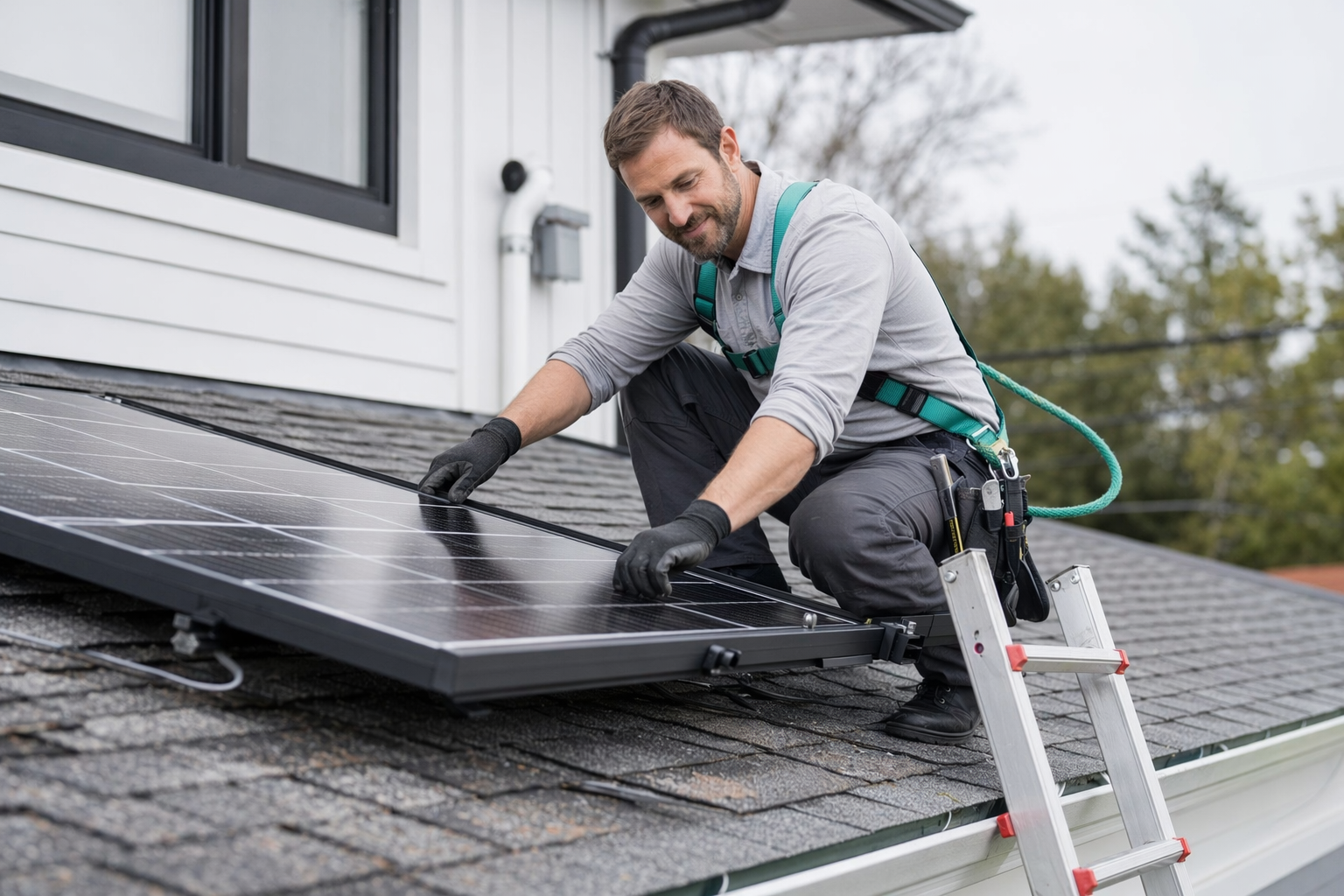
How many years does a home battery usually last?
When homeowners ask how long a battery lasts, they often mean service life. A modern home battery often lasts around 10 to 15 years, but that is a broad range, not a promise. The real number depends on battery chemistry, how often it charges and discharges, installation quality, heat exposure, and how deeply it is drained on a regular basis.
Most batteries also come with a manufacturer warranty, often structured around years of coverage, a usage limit, or a retained-capacity level. That does not mean the battery suddenly stops working when the warranty ends. It usually means capacity may gradually decline over time, similar to a phone battery, but at a slower pace.
What affects lifespan most:
- Cycle frequency: daily cycling usually wears a battery faster than occasional outage use
- Depth of discharge: frequent deep discharges can reduce long-term capacity
- Temperature: high heat can shorten battery life
- Equipment and setup: proper installation, ventilation, and controls matter
This is why it helps to compare not just battery size in kWh, but also the written warranty terms, expected degradation, and what service support looks like after installation.
What makes battery runtime shorter or longer?
Two homes with the same battery size can get very different results. The biggest factor is not the battery alone. It is what the home is trying to power during an outage. Essentials loads are usually manageable. Large electric appliances can drain stored energy quickly.
For example, a battery may run lighting, refrigeration, internet equipment, and device charging for a reasonable stretch. But if the same battery is also asked to run whole-home air conditioning, electric water heating, cooking equipment, or EV charging, backup duration can shrink fast. This is why many installers recommend an essentials subpanel rather than trying to back up every circuit.
Solar can also change the picture. If your rooftop solar is set up to recharge the battery during daylight in an outage, runtime may extend beyond what the battery alone could provide. But that still depends on weather, season, solar production, and how much electricity the home uses while the sun is up.
Ask installers to explain these details in plain language:
- Battery capacity in kWh
- Estimated backup duration for essential loads
- Whether the design supports solar recharging during an outage
- Which appliances are excluded or limited
- What changes if your usage goes up in summer or winter
How should you shop for a battery system?
The safest way to shop is to treat battery quotes as a comparison exercise, not a rush decision. Voltariva is a free matching service, not an installer. We help homeowners understand the basics and reach licensed local installers to compare options. When you submit a request, you agree to be contacted about your project. You can start with help or get matched.
As you compare bids, focus on written details instead of general claims. Ask each installer to list the battery capacity in kWh, the circuits included for backup, whether the home can add more storage later, total installed price, permit and interconnection scope, warranty coverage, and any monitoring or maintenance terms. Real pricing varies widely based on system size, battery size, equipment, roof and electrical conditions, labor, and local incentives.
A careful homeowner should also verify that the installer is licensed and insured and confirm who is responsible for design, permits, utility paperwork, equipment selection, and warranty support. Before work starts, make sure the final contract clearly states scope, equipment, backup loads, timeline, payment terms, and warranty details.
One homeowner may decide a single battery is enough for short outages and essentials only. Another may choose more kWh capacity because they want longer backup or have medical, work-from-home, or refrigeration needs. Neither choice is automatically right. The best fit is the one that matches your home, your outage concerns, and your budget.
In plain English
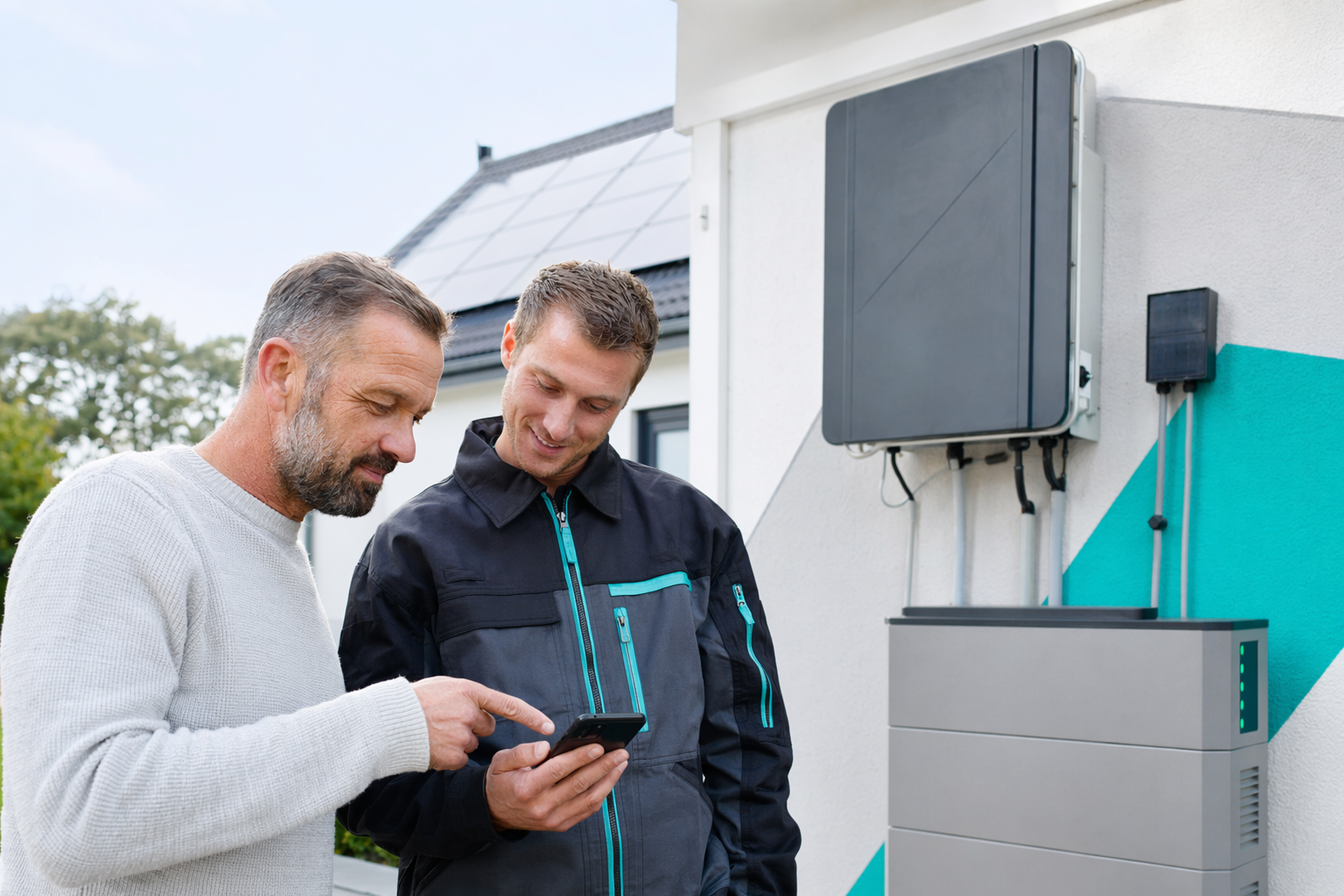
A home battery usually powers essentials for hours to about a day per charge and often lasts around 10 to 15 years, but the real answer depends on battery size, what you run, and how the system is installed and used.
Always hire licensed, insured installers — and verify the license, insurance, and warranties yourself.
Common questions
Can a home battery run a whole house?
Sometimes, but not always. It depends on the battery capacity in kWh, your home’s electrical loads, and whether heavy appliances are included. Many systems are designed to back up essentials rather than every circuit.
How long will a 10 to 15 kWh battery last in an outage?
It depends on what you power. For essentials only, it may last several hours to around a day in some homes. If you run large loads like central AC, electric heat, or cooking equipment, runtime can be much shorter.
Do home batteries lose capacity over time?
Yes. Most batteries gradually hold less energy as they age. That is normal, which is why warranty terms and expected retained capacity are important to review before you choose a system.
Does solar make a battery last longer during an outage?
It can. If the system is designed to recharge the battery from rooftop solar during an outage, daylight production may extend backup time. Actual results depend on sun, weather, season, and home usage.