Quick answers
How many solar panels do I need?
The number of solar panels you need depends on how much electricity your home uses, how much sunlight your roof gets, and whether you also want a home battery for backup. There is no one-size-fits-all answer, but most homes land somewhere in a practical range once those basics are clear.
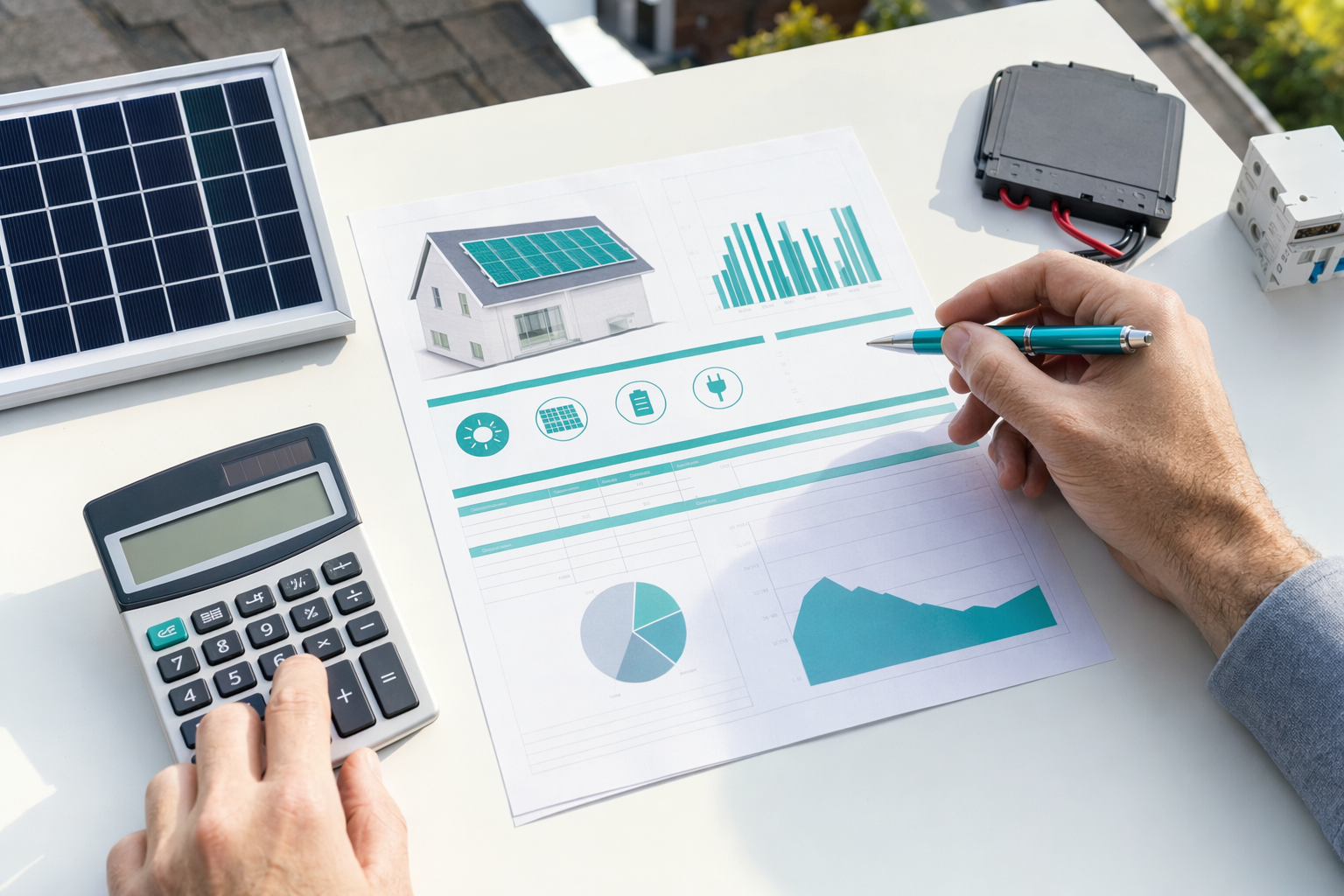
Start with your electric use, not your roof
The best starting point is your past electricity use. Look at 12 months of utility bills and add up your annual usage in kilowatt-hours, or kWh. That number gives a much better sizing target than guessing based on house size alone.
Many US homes that go solar end up with a system somewhere around 5 kW to 12 kW, but that is only a rough range. A smaller, efficient home may need less. A larger home with electric heating, air conditioning, an EV charger, or higher day-to-day use may need more.
Panel count comes after system size. If the panels offered are around 350 to 450 watts each, a 6 kW system might use roughly 14 to 18 panels, while a 10 kW system might use roughly 22 to 29 panels. The exact count changes with panel wattage and roof layout.
If you want a step-by-step look at system sizing, see how to size a solar system.
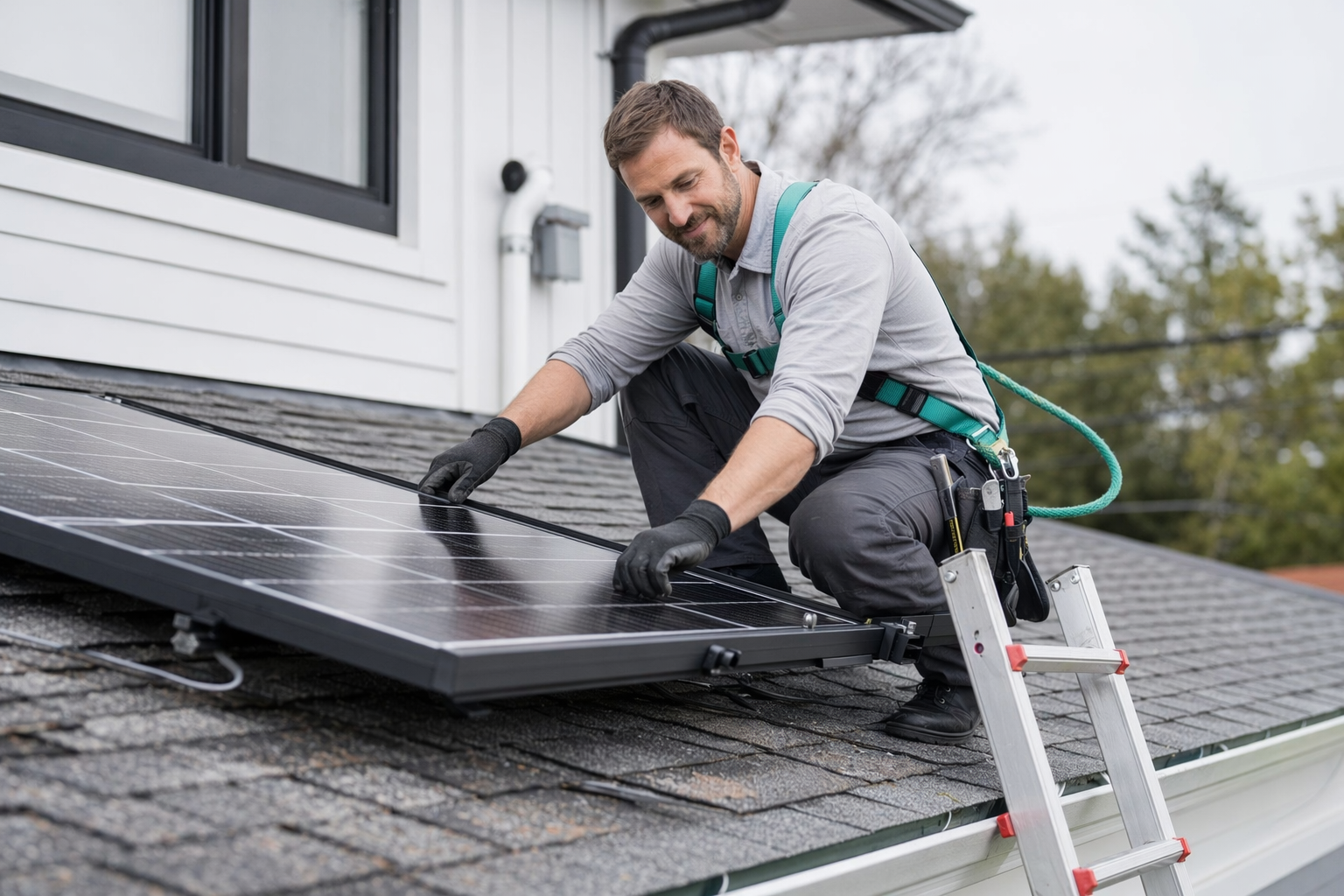
Roof space matters, but panel count is not just about square footage
Even if two homes use the same amount of electricity, they may need different panel counts because roofs perform differently. South-, west-, and east-facing roof areas often produce different amounts of energy. Shade from trees, chimneys, nearby buildings, and even vent pipes can reduce production and change the layout.
That is why usable roof area matters more than total roof area. A roof may look large, but only part of it may be suitable for solar. Installers usually look at:
- Sun exposure across the year
- Roof direction and pitch
- Shade patterns
- Age and condition of the roof
- Local weather and utility rules
- Space needed for setbacks and access paths
Roof condition is important too. If the roof is already near the end of its life, it may make sense to deal with roofing first rather than install panels and remove them later. Voltariva is a free matching service, not a contractor, but we can help homeowners understand the questions to ask and connect with licensed local installers through get matched.
If you want battery backup, size that separately
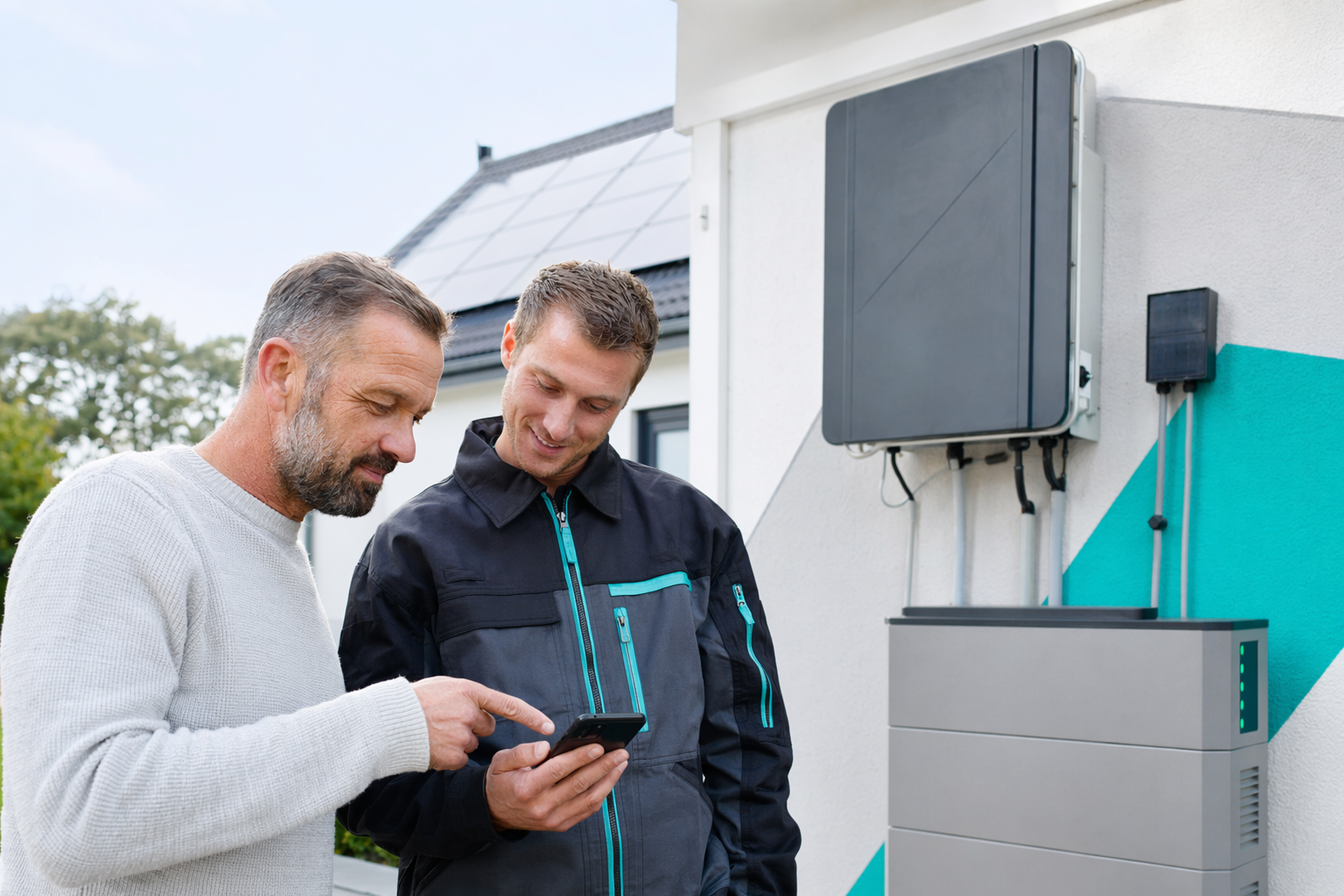
A battery does not usually change how many solar panels you need as much as people think. Solar panel count is mainly about how much energy you want to generate over time. A battery is about how much energy you want to store, measured in kWh, and what you want to keep running during an outage.
For example, one homeowner may pair solar with a battery in the 10 to 20 kWh range to cover essentials for part of a day, such as the refrigerator, internet, some lights, device charging, and maybe a few outlets. Another may want more backup time or more loads, which can push battery capacity higher. Backup duration depends on what is turned on, how efficient the home is, and whether solar is recharging the battery during daylight.
If your goal is outage protection, make a list of essentials first. Ask installers to show, in writing, what the proposed battery can support, for about how many hours under typical use, and whether heavy loads like central AC, electric water heating, or an EV charger are included.
This is also where bids can differ a lot. One company may suggest fewer panels and a smaller battery. Another may recommend more generation or more storage. The homeowner should compare the equipment, the backed-up circuits, the total battery capacity in kWh, and the written scope before choosing.
A simple way to estimate your panel count
If you want a rough early estimate, think in this order: annual kWh use, likely system size in kW, then panel count based on the wattage of each panel. It is only a planning tool, but it can help you understand the range.
A simple example: if your home uses around 9,000 to 12,000 kWh per year, many homes in that usage range may end up considering a system somewhere around 6 kW to 9 kW, depending on sunlight, roof orientation, and local conditions. With panels in the 350 to 450 watt range, that could mean roughly 14 to 26 panels. A home with higher usage or a less productive roof may need a larger system and more panels.
Before signing anything, ask each installer to confirm these points in writing:
- Proposed system size in kW
- Estimated panel count and panel wattage
- Expected production range based on your roof
- Battery size in kWh, if included
- Which appliances or circuits are backed up
- Total price, payment terms, warranties, and timeline
- Proof of license and insurance
Voltariva does not sell or install solar, roofing, or batteries. Our role is to help homeowners understand the options and reach licensed local installers at no cost. If you submit a request, the matching service is free and you agree to be contacted about your project. If you want help sorting through next steps, visit help or get matched.
In plain English
Count your solar panels by first figuring out how much electricity you use, then matching that to a realistic system size and your roof's actual solar potential.
Always hire licensed, insured installers — and verify the license, insurance, and warranties yourself.
Common questions
How many panels does the average house need?
Many homes end up somewhere around 14 to 30 panels, but that is only a broad range. The real number depends on your annual kWh use, roof conditions, panel wattage, and local sunlight.
Can I size solar based only on my square footage?
Not reliably. House size can hint at energy use, but 12 months of utility bills give a much better sizing starting point.
Does adding a battery mean I need a lot more panels?
Not always. Panel count is mainly about energy production over time, while a battery is sized in kWh for storage and backup needs. The two are related, but they are not the same thing.
What if my roof is shaded or older?
Shade can reduce production and change the layout, and an older roof may need attention before solar. Ask licensed, insured installers to assess both roof suitability and system design before work starts.