Quick answers
Metal vs shingle roof for solar
If you are comparing a metal roof and an asphalt shingle roof for solar, the short answer is that both can work well. The better choice depends on roof age, condition, attachment method, budget, and how long you plan to stay in the home.
How solar works on metal vs shingle roofs
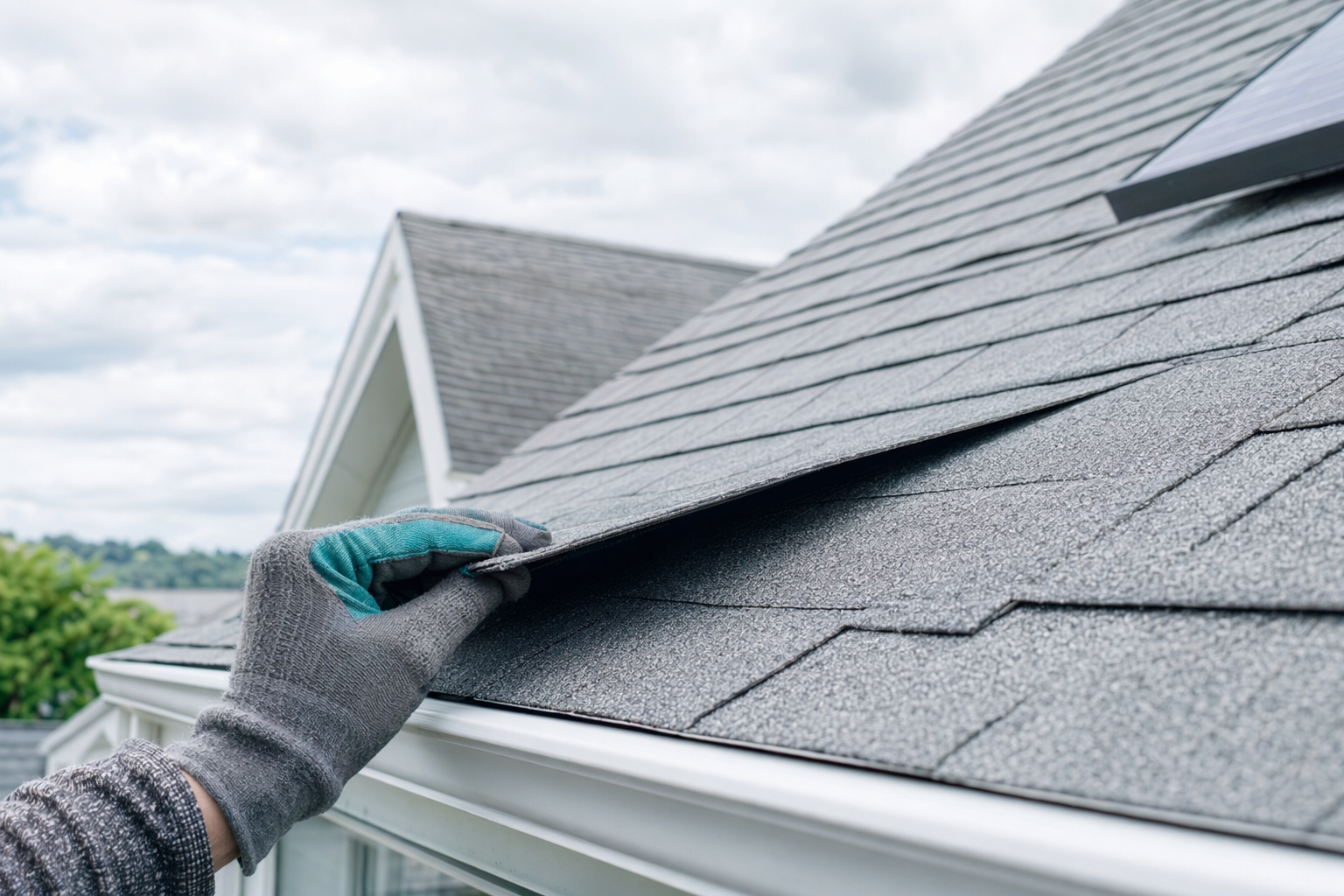
Solar panels can be installed on both metal and asphalt shingle roofs, but the mounting details are different. On many standing-seam metal roofs, installers can often use clamps that attach to the raised seams without drilling through the roof surface. On shingle roofs, mounting usually means flashing and roof penetrations that are sealed and integrated under the shingles.
That does not mean one roof type is always "better". A good solar installation depends more on the roof being structurally sound, properly detailed, and handled by a licensed, insured local installer than on the roofing material alone. A newer shingle roof can be a solid solar candidate. A well-installed metal roof can also be excellent, especially if it has a long remaining service life.
If you are planning both a roof project and solar, timing matters. Many homeowners try to avoid putting panels on a roof that may need replacement soon, because removing and reinstalling panels later adds cost and coordination. If you are unsure how large a system your home might need, how to size a solar system is a helpful place to start.
Roof lifespan, attachment, and leak risk
One reason people like metal roofs for solar is longevity. Many metal roofs can last much longer than standard asphalt shingles, though actual life depends on product type, climate, installation quality, and maintenance. If your roof is likely to outlast the solar equipment mounted on it, that can simplify long-term planning.
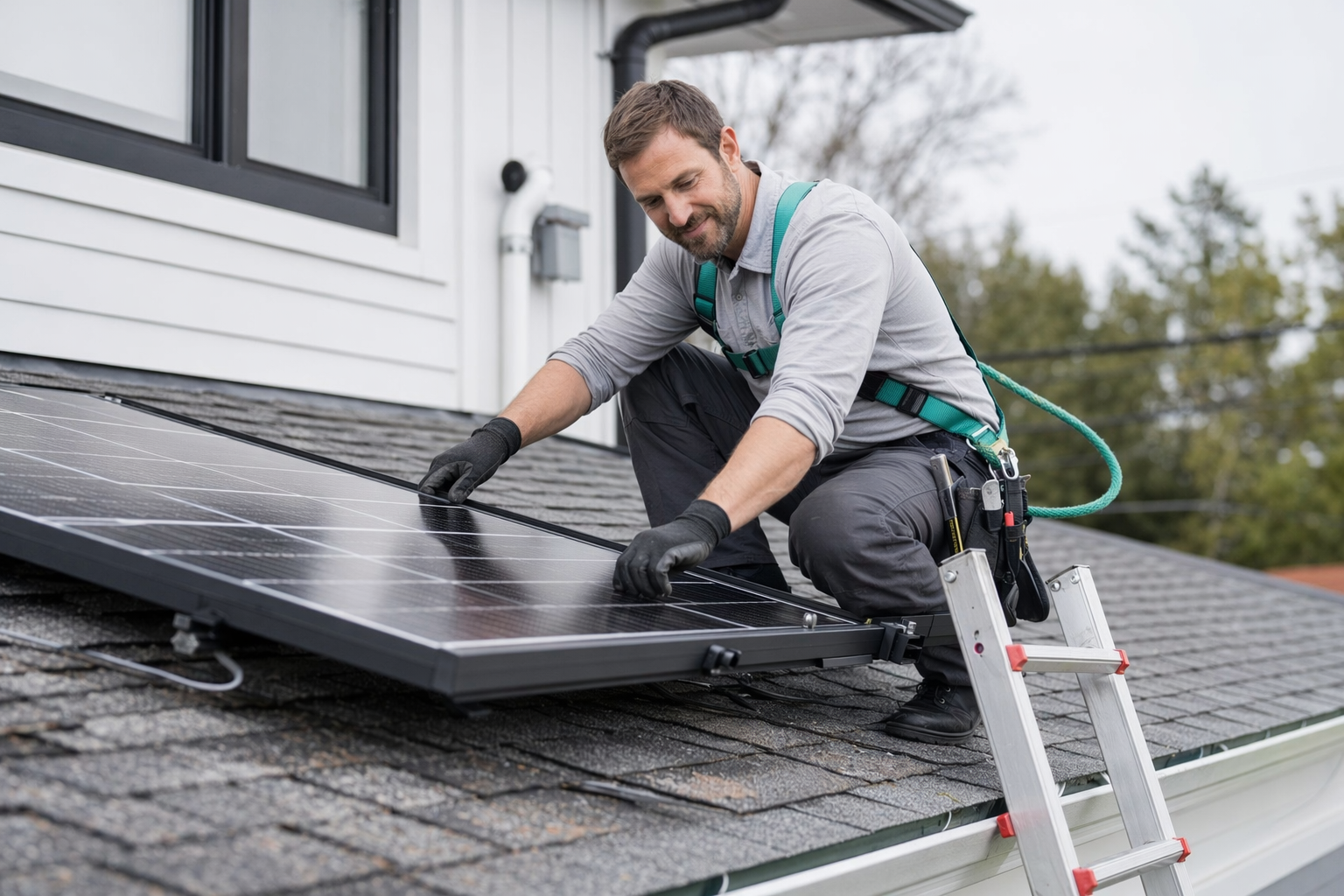
With shingles, the main concern is often remaining roof life. If a shingle roof is older or already showing wear, it may make sense to address roofing first. Solar mounts on shingle roofs are common and widely used, but they rely on properly flashed penetrations. Good workmanship matters. A sloppy install can create leak risk on any roof type.
Ask installers to explain exactly how attachments will be made on your roof. Ask for the mounting method in writing, along with roof warranty details and who is responsible if a leak appears around a penetration or attachment point. The homeowner should review and compare that scope carefully before work starts.
In plain terms:
- Standing-seam metal: often fewer roof penetrations, depending on the system used
- Exposed-fastener metal: may require different attachment details and closer review
- Asphalt shingle: very common for solar, but flashing quality is critical
- Older roofs of any type: may be poor candidates until repaired or replaced
Cost, appearance, and battery planning
Roof type can affect solar installation cost, but there is no single price difference that fits every home. Real numbers depend on roof layout, pitch, height, access, system size in kW, equipment, local labor, and whether you add a battery. Some metal roofs are faster to work on. Others are more specialized and can cost more. Shingle roofs are common, but complexity still varies from home to home.
For a typical home solar project, quotes are usually based on system size in kW and total project scope, not just roofing material. If you are adding battery backup, capacity is measured in kWh. Many homeowners looking for backup compare options like enough stored energy to run essentials for several hours, such as refrigeration, internet, lights, and some outlets, rather than trying to power everything in the house.
Appearance also matters. On some homes, black panels on a darker metal roof look more uniform. On other homes, panel placement on shingles is barely noticeable from the street. Aesthetic preference is personal, and it is reasonable to ask for an array layout drawing before you decide.
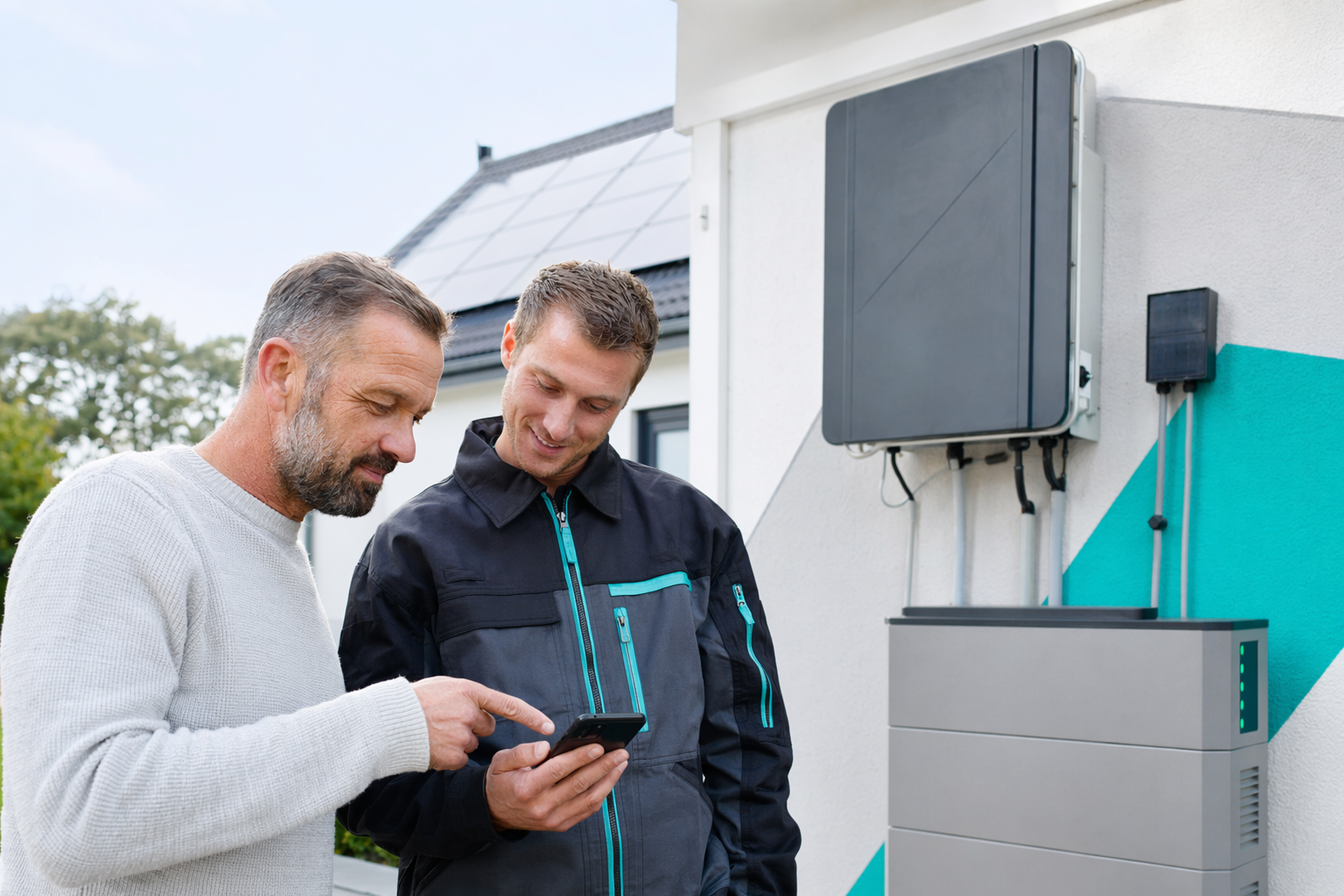
If your goal includes backup power during outages, ask each installer what loads the battery setup is designed to support and for how many hours under typical use. Do not assume every battery proposal provides whole-home backup. Many systems are designed for selected circuits only.
How to choose between them before you get quotes
If you are building, replacing a roof, or buying a home, think about the decision in terms of lifespan and readiness rather than sales claims. A roof that is in good condition, has decent sun exposure, and can accept safe attachments is usually a better solar candidate than a roof chosen for marketing reasons.
A practical way to compare is to ask the same questions for both roof types. How old is the roof? How much life is likely left? What mounting hardware will be used? Will the installer coordinate with a roofer if needed? What workmanship warranty applies to the roof attachments? Is the installer licensed and insured in your area?
You do not need to figure all of this out alone. Voltariva is a free matching service that helps homeowners understand solar, roof-readiness, and battery basics, then connect with licensed local installers for quotes. If you submit a request, you agree to be contacted. You can learn more at Help or get matched when you are ready to compare local options.
A level-headed checklist:
- Confirm roof age and condition before shopping on price alone
- Compare proposed system size in kW and battery size in kWh
- Ask what the battery will actually back up and for how many hours for essentials
- Verify installer license, insurance, equipment details, and warranties
- Review scope, price, and responsibilities in writing before signing
In plain English
For solar, a sound newer roof matters more than whether it is metal or shingle, and the safest next step is to compare written plans from licensed local installers.
Always hire licensed, insured installers — and verify the license, insurance, and warranties yourself.
Common questions
Is a metal roof always better for solar than shingles?
No. Both can work well. Metal can be attractive because some types allow attachments with fewer penetrations, but a newer, well-installed shingle roof can also be a very good solar roof.
Can solar cause roof leaks?
Any roof can have leak risk if attachments are done poorly. Proper flashing, sealing, and installation details are important, especially on shingle roofs. Ask who stands behind roof penetrations and workmanship in writing.
Should I replace my shingle roof before installing solar?
Maybe. If the roof is older or close to the end of its useful life, many homeowners consider reroofing first to avoid paying later for panel removal and reinstallation. A local roofer or installer can assess condition.
Does roof type change battery backup performance?
Not directly. Battery performance depends more on battery capacity in kWh, inverter setup, backed-up loads, and your usage during an outage. Roof type mainly affects solar mounting and project design.