Quick answers
Microinverters vs string inverters
When you compare solar quotes, the inverter choice matters because it affects how the system handles shade, monitoring, battery setup, and future service. For most homeowners, the real question is not which option is universally “better,” but which one fits your roof, budget, and backup goals.
What microinverters and string inverters actually do
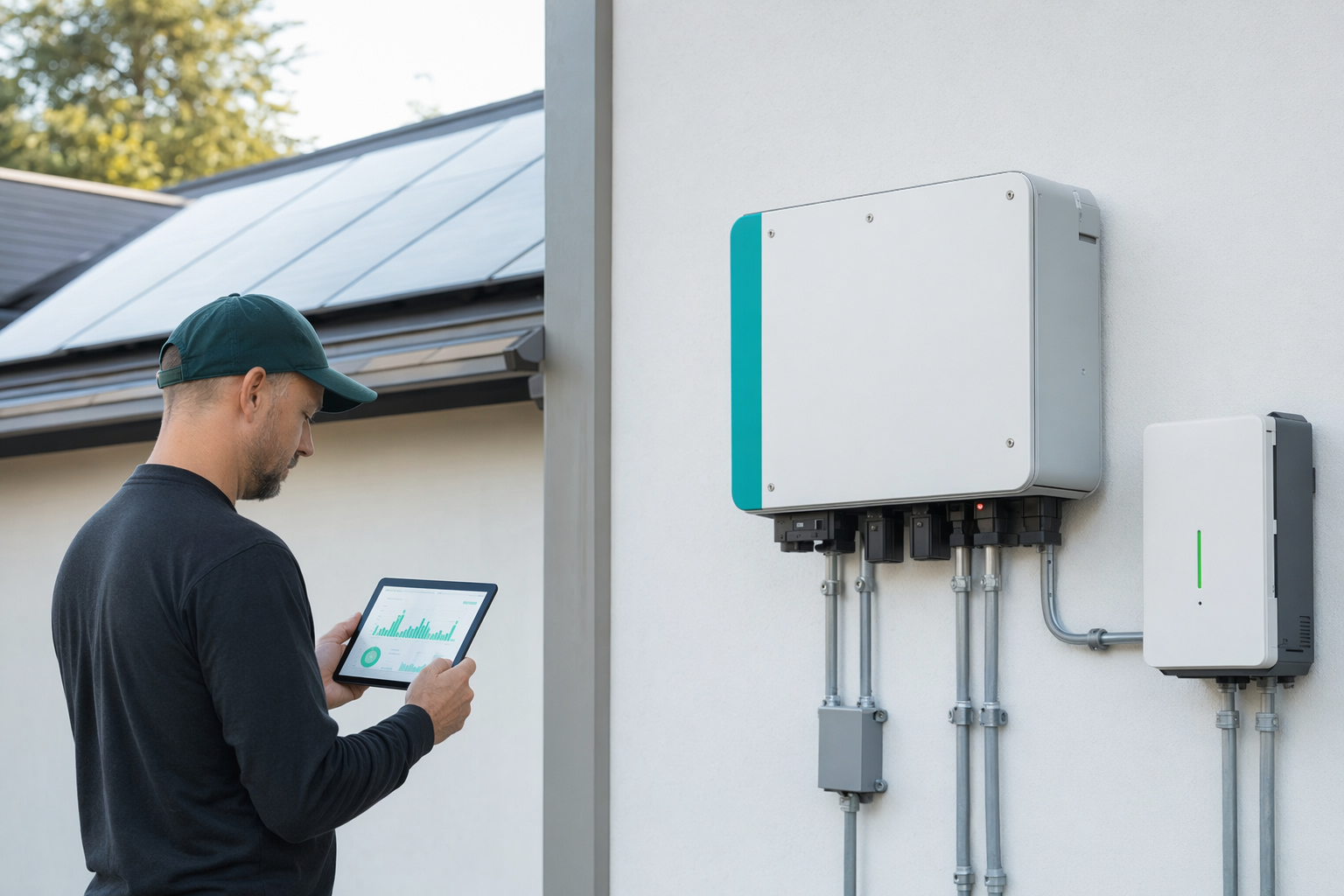
Solar panels make direct current electricity, and your home uses alternating current, so the inverter is the equipment that converts one to the other. In simple terms, it is the part of the system that helps your panels work with your home.
A string inverter usually connects a group of panels together into one or more “strings,” then converts their power in a central location. A microinverter is a small inverter installed at each panel, so each panel converts power on its own.
That design difference changes how the system behaves. With a string setup, panels in the same string tend to act more like a group. With microinverters, each panel works more independently. That can matter if your roof has partial shade, multiple roof faces, or panels facing different directions.
Neither option is automatically right for every house. A simple, sunny roof with one main roof plane may work well with a string inverter. A more complicated roof may be a better fit for microinverters. If you are still figuring out system size, this guide can help you understand the basics first.
Where microinverters often make sense
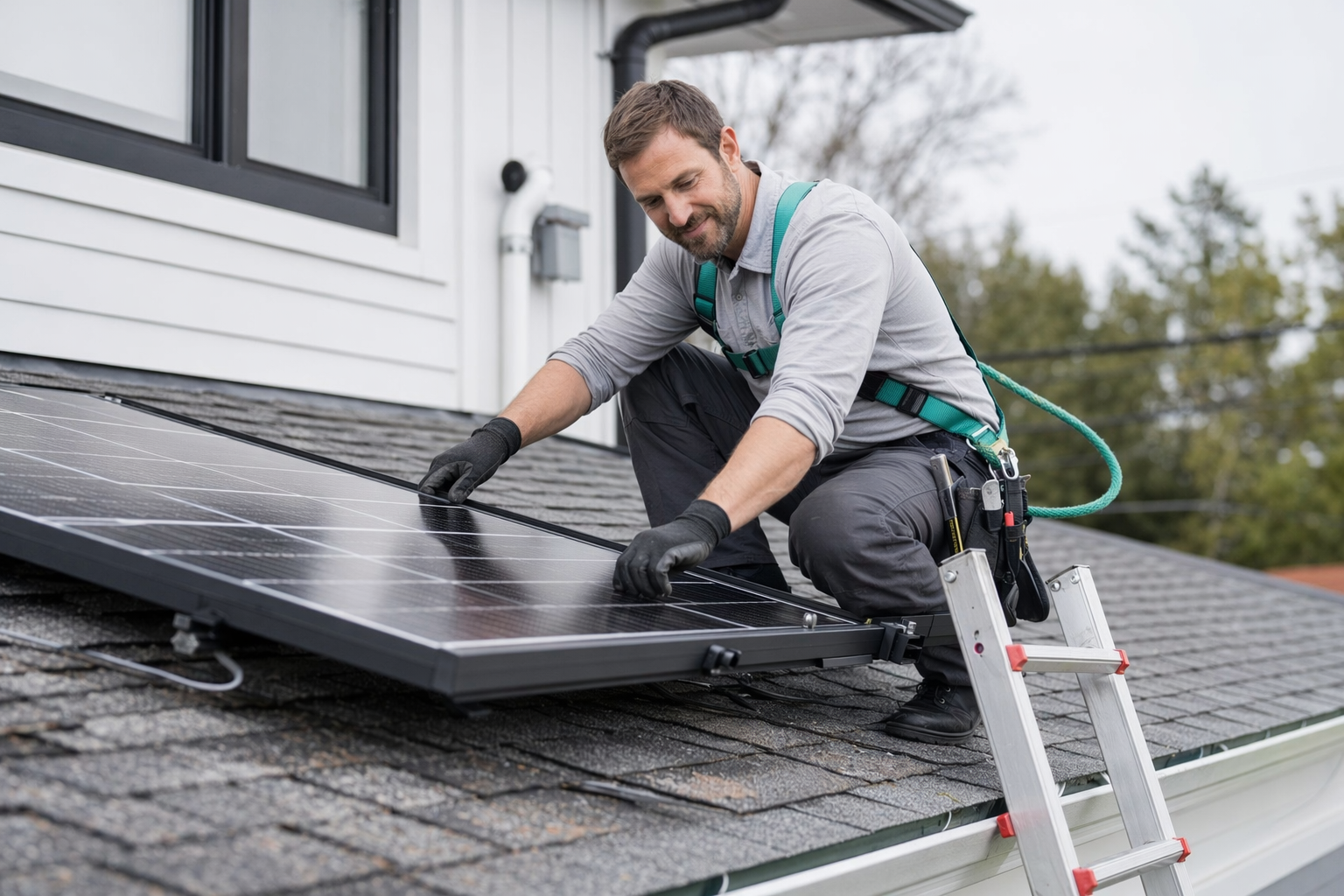
Microinverters are often considered when the roof is more complex. If some panels get shade from a tree, chimney, vent, or nearby structure at certain times of day, panel-level conversion can help keep one weaker panel from affecting the rest as much.
They can also be useful when panels are split across different roof sections, such as east and west faces, or when the roof has several small sections instead of one large open area. In those cases, the flexibility of panel-level electronics can make system layout easier.
Homeowners also sometimes prefer microinverters for the more detailed panel-by-panel monitoring they may offer. That can make it easier to see whether one panel is underperforming and may help with troubleshooting later.
Typical tradeoff: microinverter systems are often priced higher than comparable string-inverter systems, though the real difference varies. A quote may differ by a few cents per watt or more depending on equipment, roof complexity, labor, and whether battery backup is included. Ask each installer to show the inverter type, total system size in kW, and equipment list in writing so you can compare fairly.
Where string inverters often make sense
String inverters are common on roofs with good sun exposure and a straightforward layout. If most panels face the same direction and have little to no shade, a string inverter can be a practical, cost-conscious choice.
Because the conversion equipment is centralized instead of spread under every panel, some homeowners like the simpler equipment layout. In many cases, service access can also be more straightforward because the main inverter is mounted in one location rather than at each panel.
String setups can also pair well with some battery-ready designs, depending on the equipment and how the system is configured. But battery compatibility is not something to assume. If you want storage now or may want it later, ask whether the quoted system is battery-capable, what battery capacity in kWh is supported, and whether backup is for the whole home or only essential loads.
For cost, many homeowners see string inverter quotes come in lower than microinverter quotes, but there is no fixed rule. Price depends on roof shape, number of panels, electrical upgrades, battery choice, and local labor. Instead of looking for the “cheapest inverter,” compare the full scope: equipment, monitoring, warranty terms, expected maintenance, and backup design if storage is part of the plan.
How to choose without getting lost in sales talk
A good installer should be able to explain why they recommended one inverter type for your roof. The answer should be specific to your home, not just a generic claim that one technology is always superior.
Ask questions like:
- How much shade does my roof get, and on which panels?
- Are my panels all on one roof plane or split across multiple faces?
- Is the quoted system size in kW the same in both options?
- If I add a battery later, what battery capacity in kWh can work with this setup?
- During an outage, what will the battery actually back up, and for about how many hours for essentials?
- What are the equipment and workmanship warranties, and who handles service?
If you are comparing bids, make sure you are comparing like for like. One quote may include panel-level monitoring, another may not. One may include battery-ready equipment, another may require extra hardware later. The best choice is usually the one that matches your roof conditions, budget, and long-term plans, not the one with the strongest sales pitch.
Voltariva is a free matching service, not an installer. We help homeowners understand options and reach licensed local installers so they can compare bids and choose for themselves. If you want help sorting through quotes, visit help or get matched. When you submit a request, matching is free and you agree to be contacted about your project. Before work starts, confirm scope, equipment, warranties, licensing, insurance, and total price in writing.
In plain English
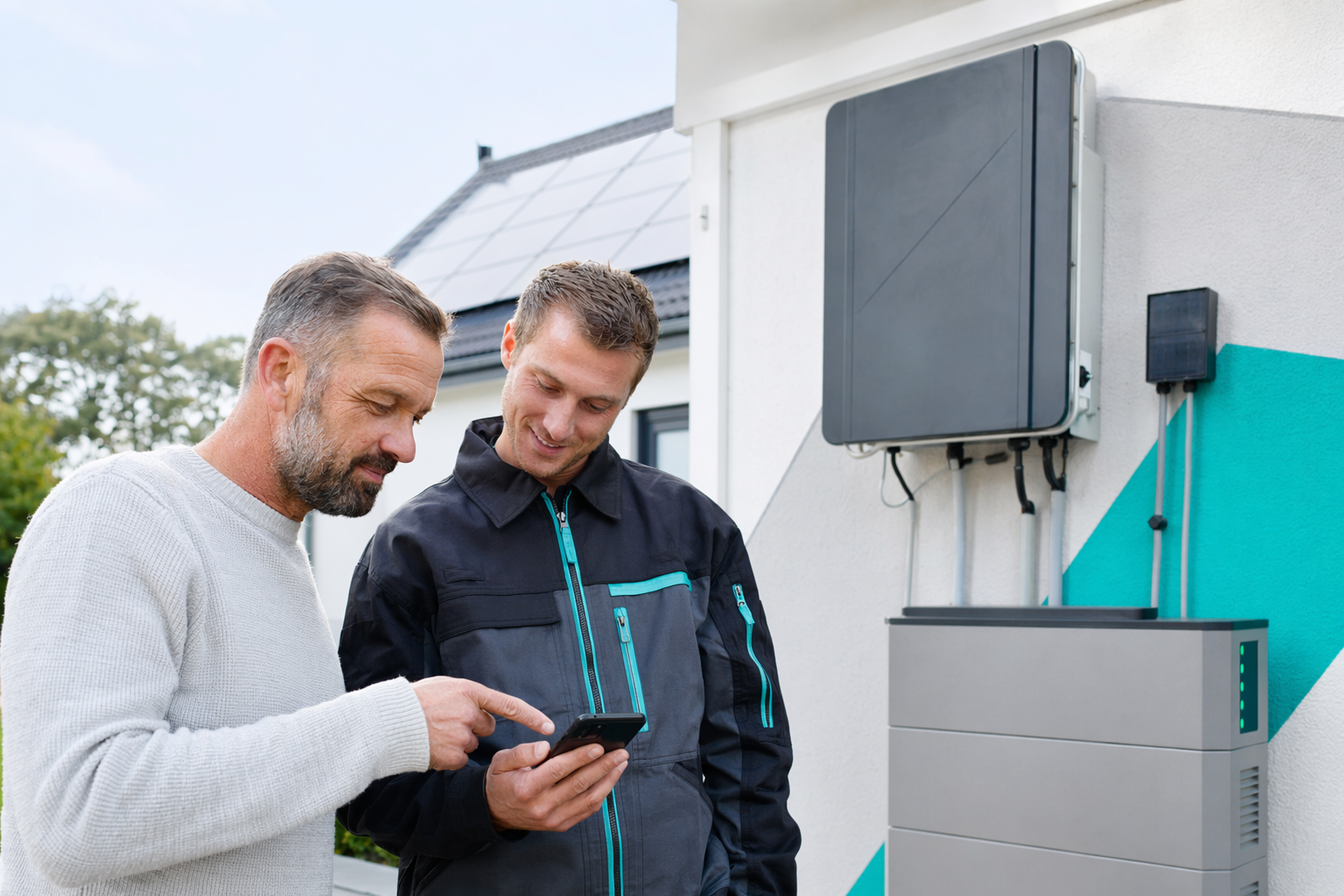
If your roof is simple and sunny, a string inverter may be enough, but if your roof has shade or several roof sections, microinverters are often worth a closer look.
Always hire licensed, insured installers — and verify the license, insurance, and warranties yourself.
Common questions
Are microinverters always better than string inverters?
No. Microinverters can be a strong fit for roofs with shade, multiple roof faces, or smaller panel groups. String inverters can be a solid choice for simple, sunny roofs and may cost less. The right option depends on your roof and goals.
Do microinverters cost more?
Often, but not always by the same amount. The price difference depends on system size in kW, roof complexity, labor, equipment, and whether storage is included. Ask for itemized quotes and compare the full system, not just one part.
Which inverter type is better for battery backup?
Either can work in some solar-plus-storage designs, but compatibility varies by equipment and system design. Ask whether the system supports the battery size you want in kWh and what backup loads it can actually run during an outage.
What should I verify before signing with an installer?
Verify the installer is licensed and insured, review equipment and warranty details, confirm system size in kW, battery size in kWh if included, and make sure the scope, price, and backup plan are all in writing.