Quick answers
Solar loan vs lease: how they differ
A solar loan and a solar lease can both put panels on your roof, but they work very differently. The main question is simple: do you want to own the system over time, or pay for the use of it while another company owns it?
What a solar loan usually means
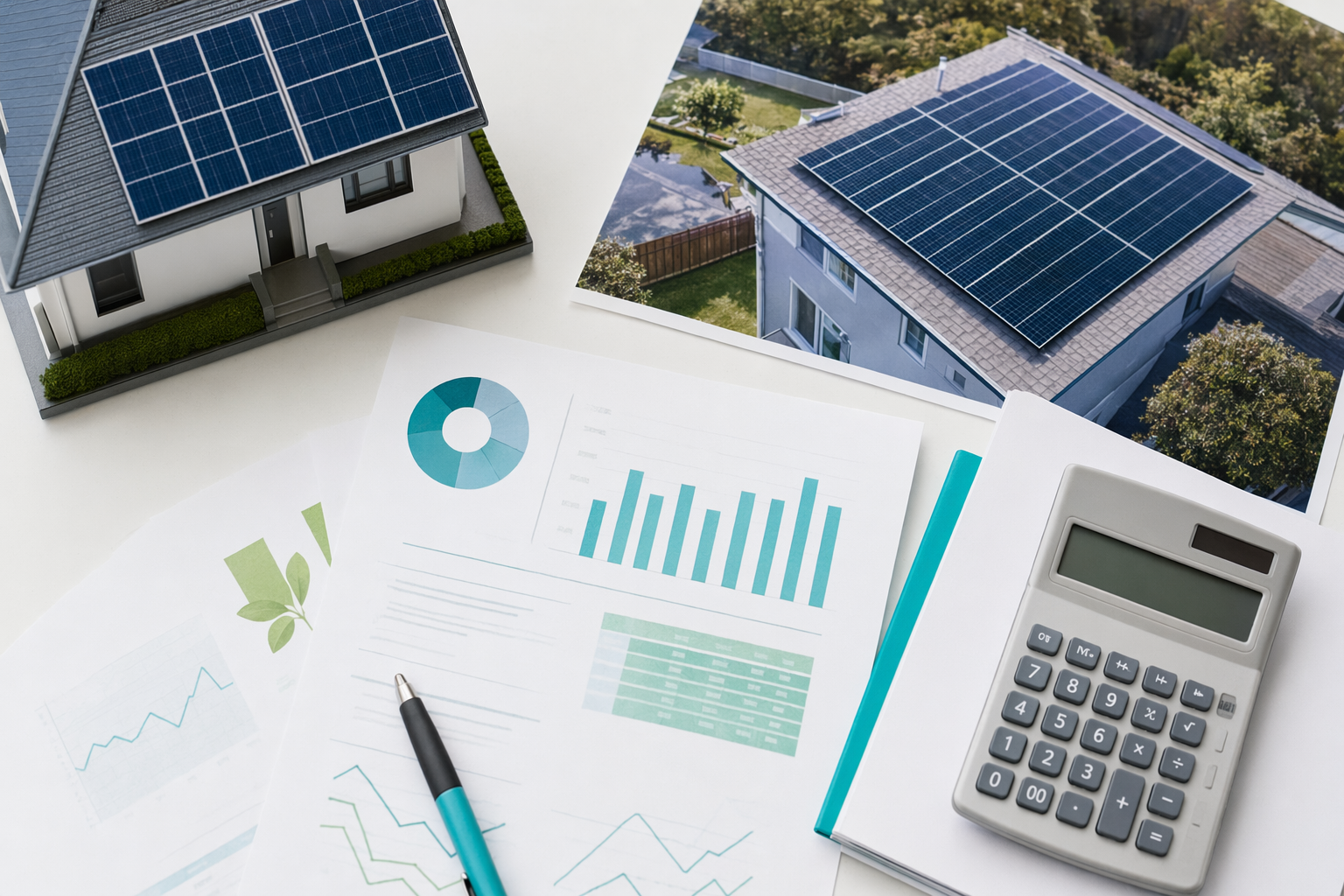
With a solar loan, you borrow money to pay for a solar system, and you repay that loan in monthly installments. In most loan setups, you own the equipment once it is installed, or you are buying it toward full ownership. That means you are the one comparing system size in kW, battery size in kWh, equipment options, warranties, and the final written contract.
Loan terms vary a lot. Monthly cost depends on the total project price, the length of the loan, any upfront payment, and the lender's terms. A rooftop solar system might be sized around 4 kW to 12 kW for many homes, and adding battery backup changes the price and monthly payment. A home battery is often described in kWh of storage, and many homeowners look at enough backup for essential loads for several hours, not the whole house all day.
Owning the system can give you more control over equipment choices and future decisions. But it also means you need to read the fine print carefully. Confirm in writing who handles maintenance, what the product and workmanship warranties cover, whether roof work is included, and what happens if you sell the home before the loan is paid off.
What a solar lease usually means
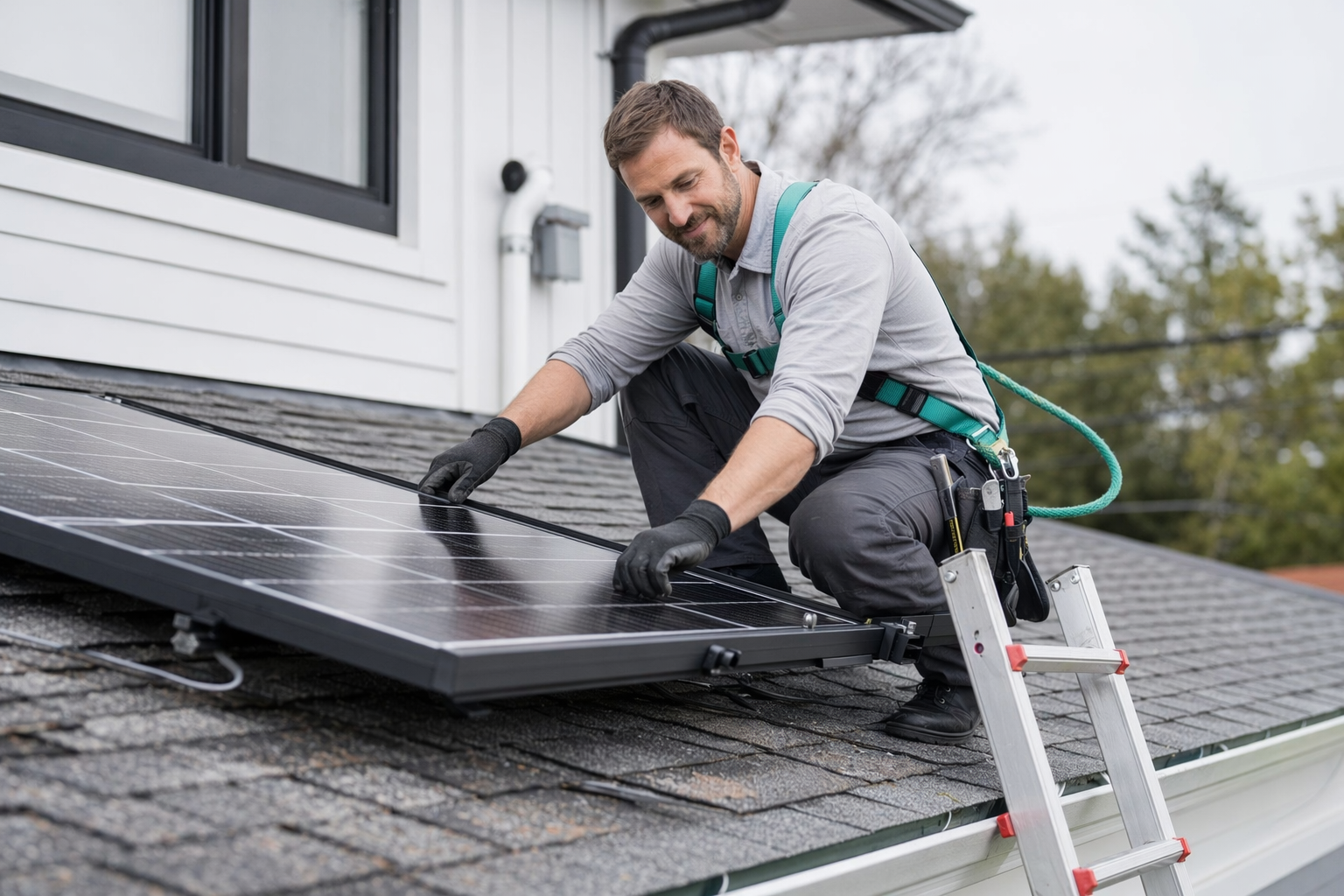
With a solar lease, another company usually owns the solar equipment, and you make a monthly payment to use it. You are not typically buying the system itself. Instead, you are agreeing to a contract that lets the company place and operate the equipment on your home under stated terms.
Some homeowners like leases because they may involve lower upfront cost than paying cash or arranging a purchase. But the tradeoff is less control. Equipment selection, contract length, service terms, transfer rules if you move, and end-of-term options matter a lot. Read those sections slowly.
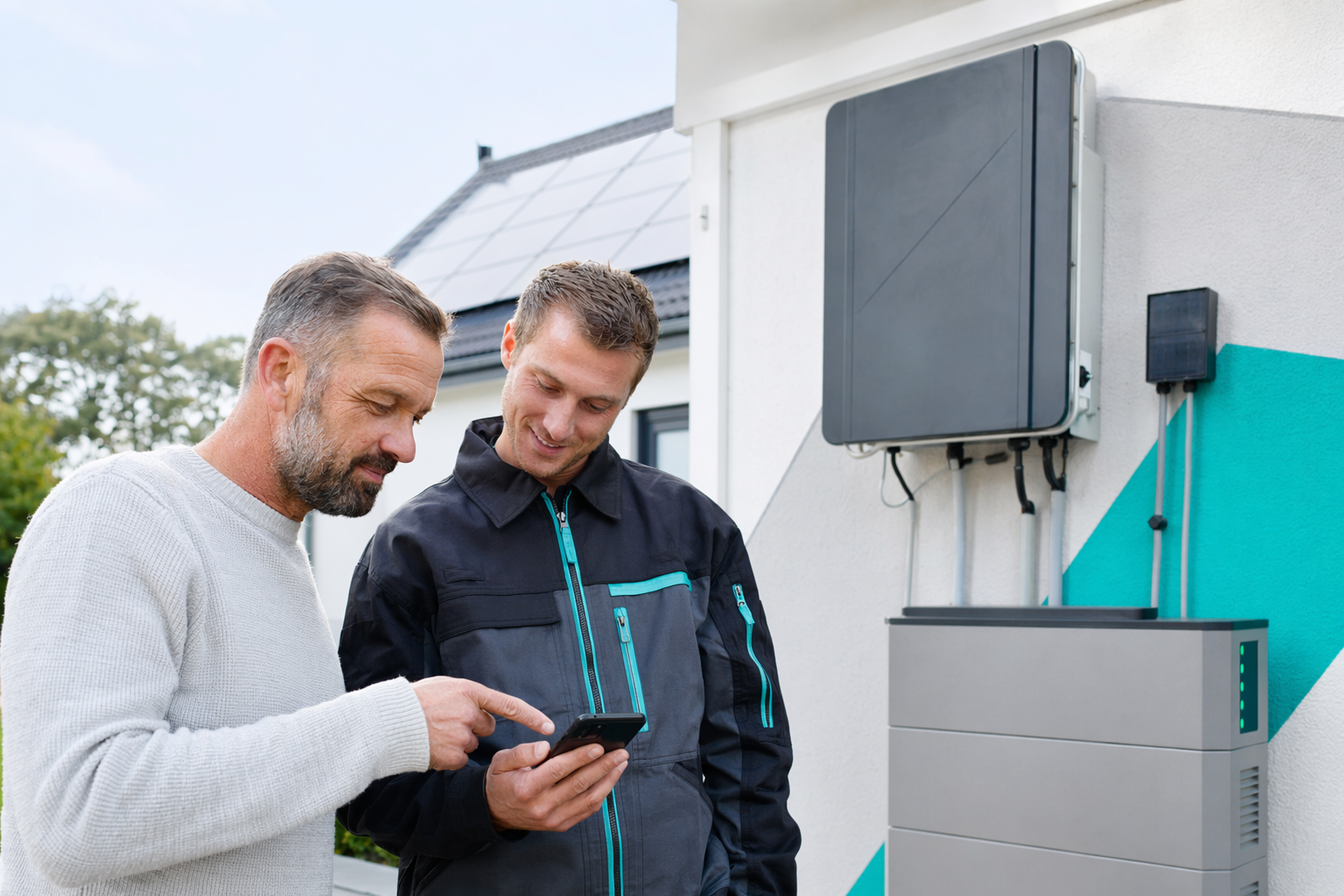
A lease may also include battery backup, but not always. If it does, ask exactly what the battery is sized to support. A battery with around 10 kWh to 20 kWh of capacity may back up essentials for a period of time, but actual runtime depends on what you are powering. Ask for a written list of backed-up circuits or loads, not just general language.
Because the leasing company often owns the system, some tax or incentive rules may apply differently than they would in an ownership setup. The installer or financing company should explain that clearly in writing, and you may also want to speak with a tax professional about your situation.
Big differences homeowners should compare
The biggest difference is ownership. A loan is usually about buying the system over time. A lease is usually about paying to use a system someone else owns. That one point affects many other parts of the decision.
When you compare options, focus on practical questions:
- Who owns the solar panels and battery?
- What is the total contract length?
- What is the monthly payment, and can it change?
- Is there an upfront payment?
- Who is responsible for monitoring, service, and repairs?
- What happens if you need roof work later?
- What happens if you sell your home?
- Are there fees for transfer, early payoff, or early termination?
- Exactly what equipment is listed, including kW of solar and kWh of battery storage?
It also helps to compare the home itself. If the roof is older, shaded, or may need work soon, that can affect whether it makes sense to move forward now. Before signing anything, ask whether the roof condition has been reviewed and whether any needed roofing is excluded from the price.
If you want a broader understanding of sizing before you review bids, this guide on system sizing can help you ask better questions.
Which option fits different kinds of homeowners
A loan may fit a homeowner who wants more long-term control, plans to stay in the home for a while, and is comfortable reviewing financing and installation details carefully. It can also fit someone who wants to choose among equipment options and compare several local proposals side by side.
A lease may fit a homeowner who prefers a simpler starting point and is comfortable with a company owning the equipment. But simpler at the start does not always mean simpler later, so it is worth paying close attention to contract terms about service, moving, and end-of-term choices.
No matter which path you are considering, the safest approach is to compare written offers from licensed, insured local installers or providers, then verify scope, equipment, warranties, and price before work starts. Voltariva is a free matching service that helps homeowners understand the basics and reach local installers. Voltariva does not sell, finance, design, or install systems. If you want help getting started, you can get matched or visit the help center.
When you submit a request, matching is free, and you agree to be contacted about your project. You stay in control of the decision, and you can use the conversations to compare loan and lease options in plain language.
In plain English
If you want more control, a loan usually means ownership over time, while a lease usually means paying to use a system that someone else owns.
Always hire licensed, insured installers — and verify the license, insurance, and warranties yourself.
Common questions
Is a solar loan better than a lease?
Not for everyone. A loan usually means you are buying the system over time, while a lease usually means another company owns it. The better fit depends on your budget, roof condition, how long you expect to stay in the home, and how much control you want over equipment and contract terms.
Can I add a battery with either option?
Often yes, but not always. Ask whether the proposal includes battery storage, how many kWh it provides, which loads it can back up, and roughly how many hours it may run essential items under typical use.
What should I ask before signing?
Ask who owns the equipment, the solar size in kW, the battery size in kWh if included, total contract length, monthly payment details, service responsibilities, roof-related exclusions, transfer rules if you move, and all warranties in writing.
How do I compare offers without getting overwhelmed?
Start with the basics: ownership, monthly cost, contract length, equipment size, warranties, and what happens if you sell the home. Comparing a few written offers from licensed, insured local installers can make the differences easier to see.