Quick answers
Can I put solar on a shaded roof?
Yes, maybe. A shaded roof does not automatically rule out solar, but shade can reduce production enough that the roof, system size, battery plan, and even the best panel layout need a closer look before it makes sense.
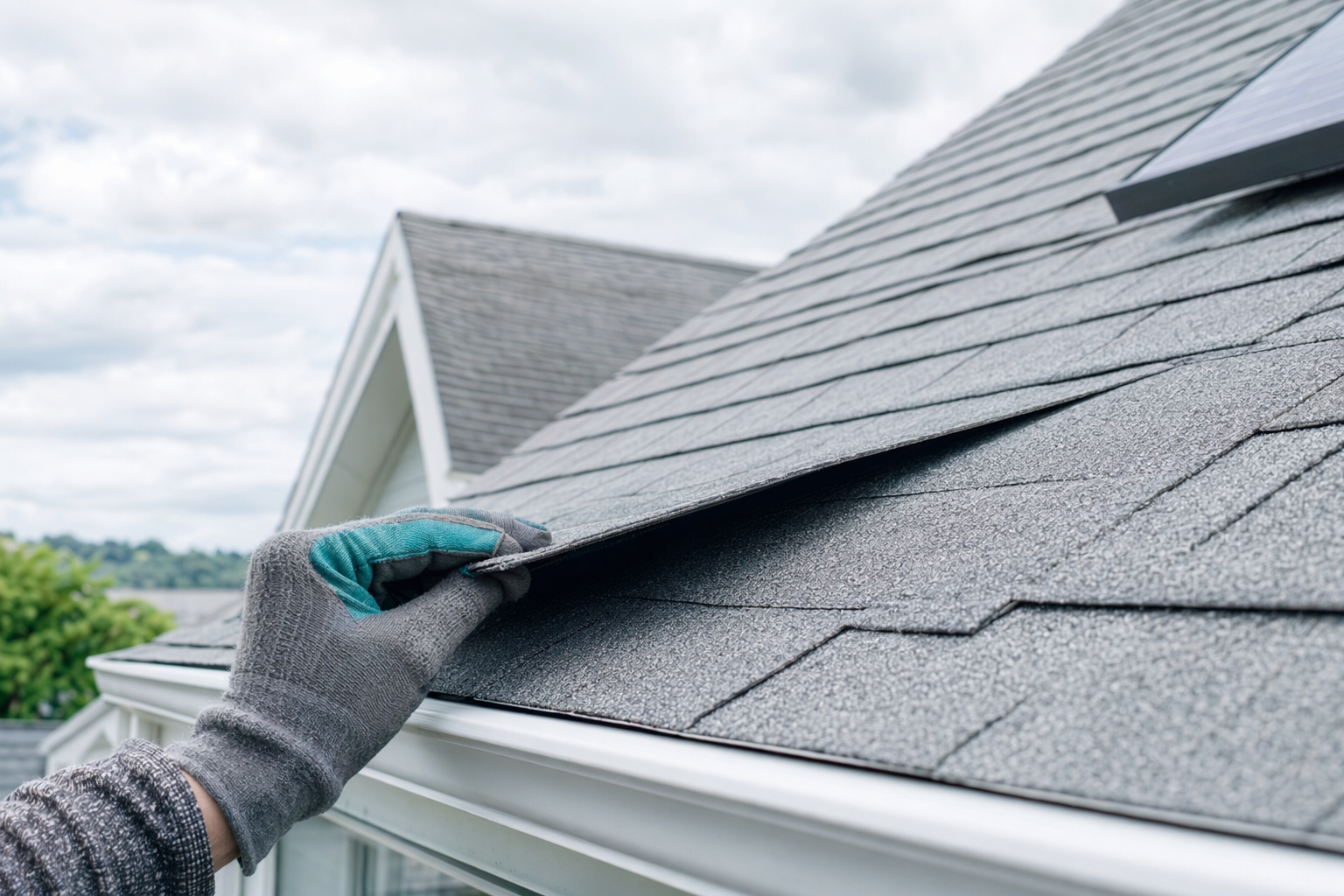
How shade affects rooftop solar
Solar panels make the most electricity in direct sun. When trees, chimneys, nearby buildings, or roof features cast shade, output drops. How much it drops depends on when the shade hits, how much of the roof is shaded, and which parts of the roof still get strong sun.
Not all shade is equal. Light morning shade may matter less than heavy midday shade. A roof with one clear section can still work even if another section is shaded. South-, west-, and east-facing roof areas may perform differently, and a local installer can map that out.
In plain terms, many shaded roofs can still support solar, but the system may need a different design than a wide-open, full-sun roof. That can mean fewer panels, a different layout, or the conclusion that solar is not the best fit for that home right now.
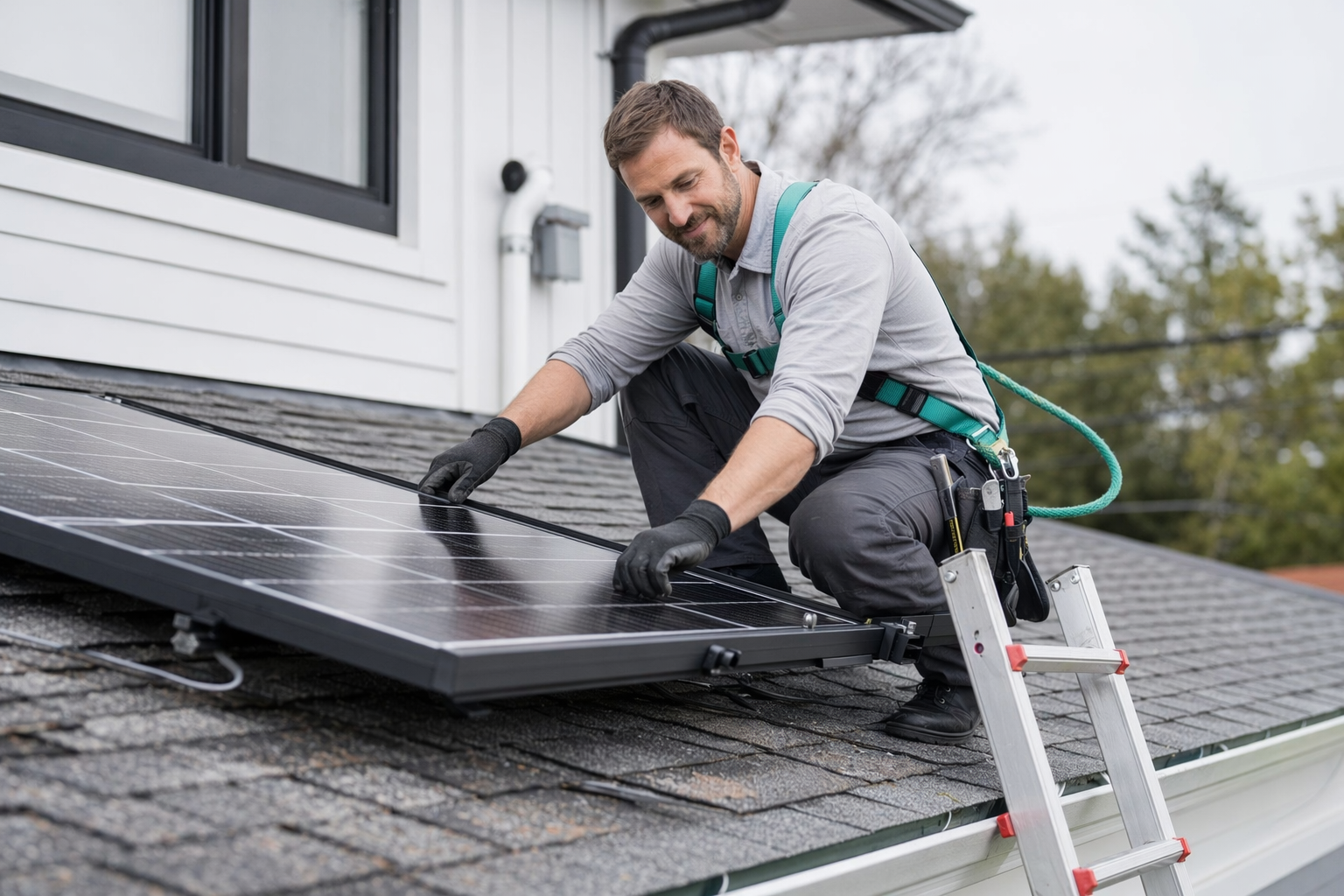
When a shaded roof may still make sense
A shaded roof may still be worth considering if you have at least one roof area that gets decent sun for much of the day, your roof is in good condition, and there is enough usable space for a system sized to your needs. Small pockets of shade do not always end the conversation.
Solar-plus-storage can also be part of the discussion if your main goal is backup power for essentials during outages. Battery capacity is measured in kWh, and backup is better discussed in hours for essential loads like the fridge, internet, a few lights, and medical devices. A battery does not erase the impact of shade, but it can change how the overall system is used.
One homeowner, for example, had a roof with tree shade on one side and a clearer section on the other. After a site review, the local installer proposed a smaller system in the sunnier area and discussed a battery sized for essential backup rather than whole-home backup. That kind of right-sized plan can be more realistic than trying to cover every part of the roof.
What installers usually look at on a shaded roof
A good solar review is more than a satellite image. Licensed local installers usually check the roof shape, pitch, direction, age, usable square footage, obstructions, and the pattern of shade across the day and across seasons. They may also review your recent electric usage to estimate what system size in kW could fit the roof and the home.
They should also look at roof-readiness. If the roof is near the end of its life, replacing or repairing it before solar may be smarter than removing and reinstalling panels later. Voltariva can help you understand the questions to ask, but the installer is the one who inspects, designs, prices, and confirms the scope.
Ask for these details in writing:
- Proposed system size in kW
- Estimated annual production range, with assumptions
- Which roof planes will be used and why
- Battery size in kWh, if included
- What the battery will power, and for about how many hours under typical essential-load use
- Equipment, workmanship, and roof-penetration warranty terms
- Total price and any financing terms, if offered by the installer
If you are early in the process, how to size a solar system can help you understand the basics before comparing proposals.
How to decide if it is worth getting bids
If your roof has some shade but also some good sun exposure, it is usually reasonable to get a few local opinions. The point is not to force solar onto a difficult roof. The point is to see whether a licensed installer can design a system that fits the roof and your goals, or tell you honestly that it does not pencil out.
Expect real-world ranges, not promises. Installed costs can vary widely based on system size in kW, roof complexity, equipment, electrical work, battery size in kWh, local labor, and available incentives. Production estimates also vary based on shade, orientation, weather, and usage. No one should promise a zero bill, a specific payback timeline, or an exact output number before a proper review.
Voltariva is a free matching service. We do not sell, finance, design, or install solar or batteries. We help homeowners understand the process and reach licensed local installers so they can compare bids and choose what fits. If you want help sorting through next steps, visit help or get matched. When you submit a request, you agree to be contacted about your project.
Before signing anything, verify the installer's license, insurance, scope of work, equipment list, warranty details, timeline, and final price in writing. You are the decision-maker.
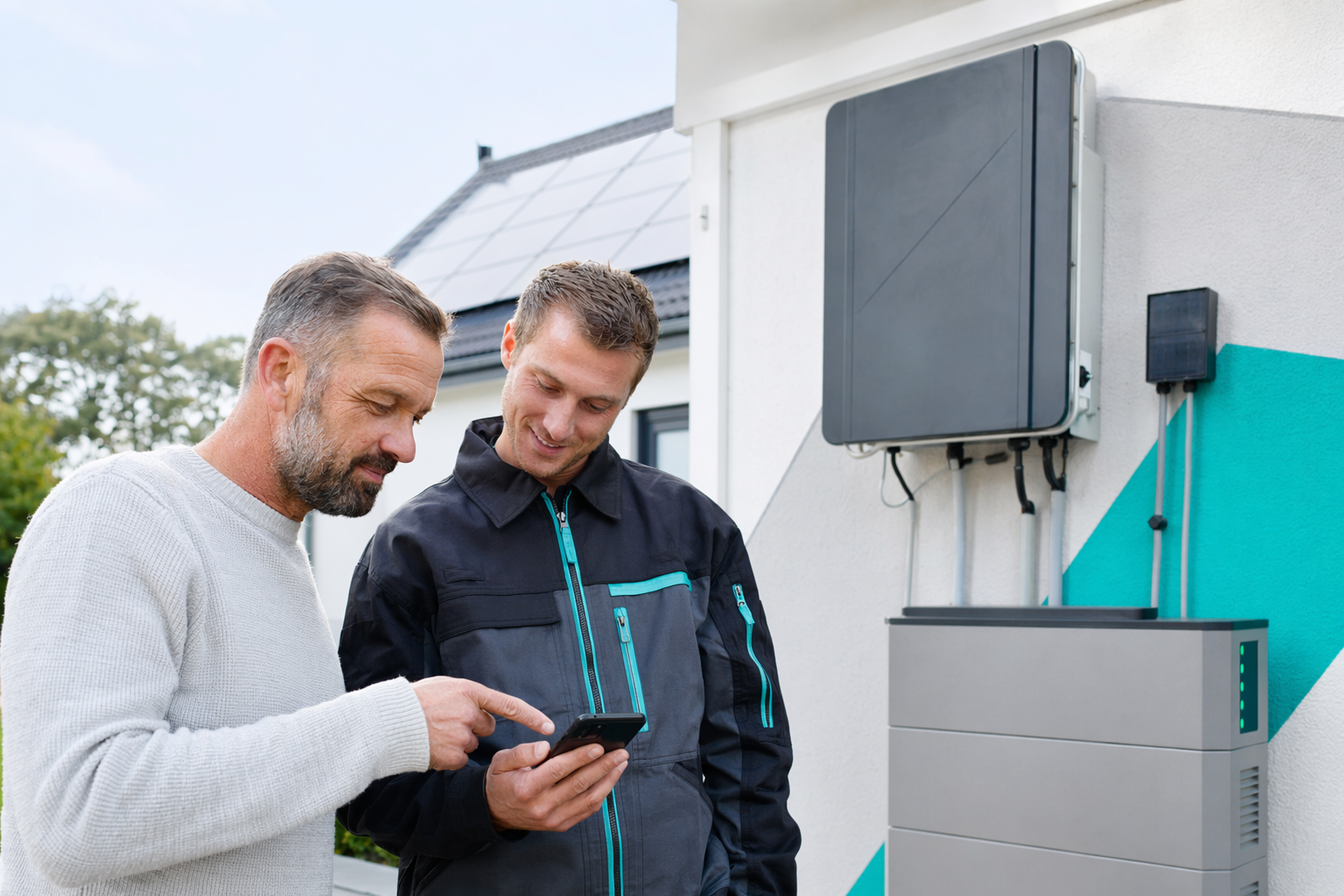
In plain English
A shaded roof might still support solar, but the only honest answer comes from a site-specific review of sun exposure, roof condition, usable space, and your backup goals.
Always hire licensed, insured installers — and verify the license, insurance, and warranties yourself.
Common questions
Can solar panels work in partial shade?
Yes. Partial shade can reduce production, but some roofs still have enough usable sunny space for a practical system. A local site review is the best way to know.
Will a battery fix a shaded roof problem?
Not by itself. A battery stores electricity, but it does not create more solar production. It can help with backup planning if the solar design still makes sense.
Should I trim trees before deciding?
Maybe. If trees are causing major shade, trimming could improve solar potential, but check local rules, tree health, and safety first. An installer can help show whether trimming would materially change the design.
How do I know if my roof is ready for solar?
Look at roof age, condition, usable space, and shade. If the roof may need replacement soon, ask whether roofing work should happen before any solar installation.