Quick answers
South- vs west-facing roof: does it matter for solar?
Yes, roof direction matters for solar, but it usually does not decide the whole project by itself. For many US homes, a south-facing roof can produce more total solar over a year, while a west-facing roof can still work well, especially if your home uses more electricity later in the day or you are thinking about adding a battery.
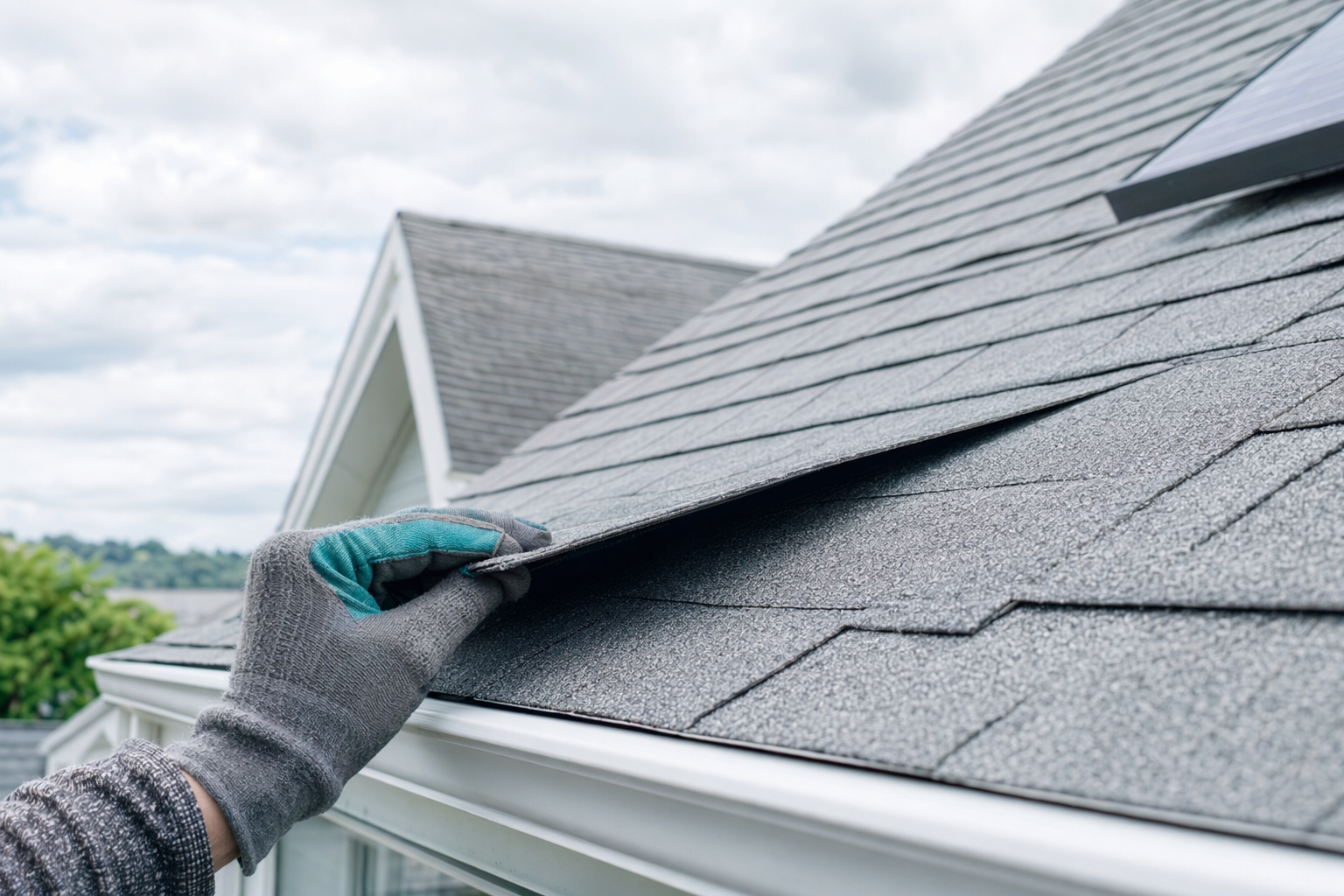
How south- and west-facing roofs are different
In most parts of the US, south-facing solar panels usually produce the most total energy across the year. That is because they get strong sun through more of the day. A west-facing roof often produces a bit less overall, but it can still be a solid option for many homes.
The bigger difference is often when the power is made. South-facing panels tend to spread production more evenly around midday. West-facing panels usually make more of their power later in the afternoon and early evening. That timing can matter if your household uses more electricity after work, when people get home, cook, run laundry, or turn on air conditioning.
Roof direction is only one part of the picture. Installers also look at shade, roof pitch, usable roof area, panel layout, local weather, and your electric rate structure. A west-facing roof with little shade can be a better solar roof than a south-facing roof with heavy tree cover or limited space.
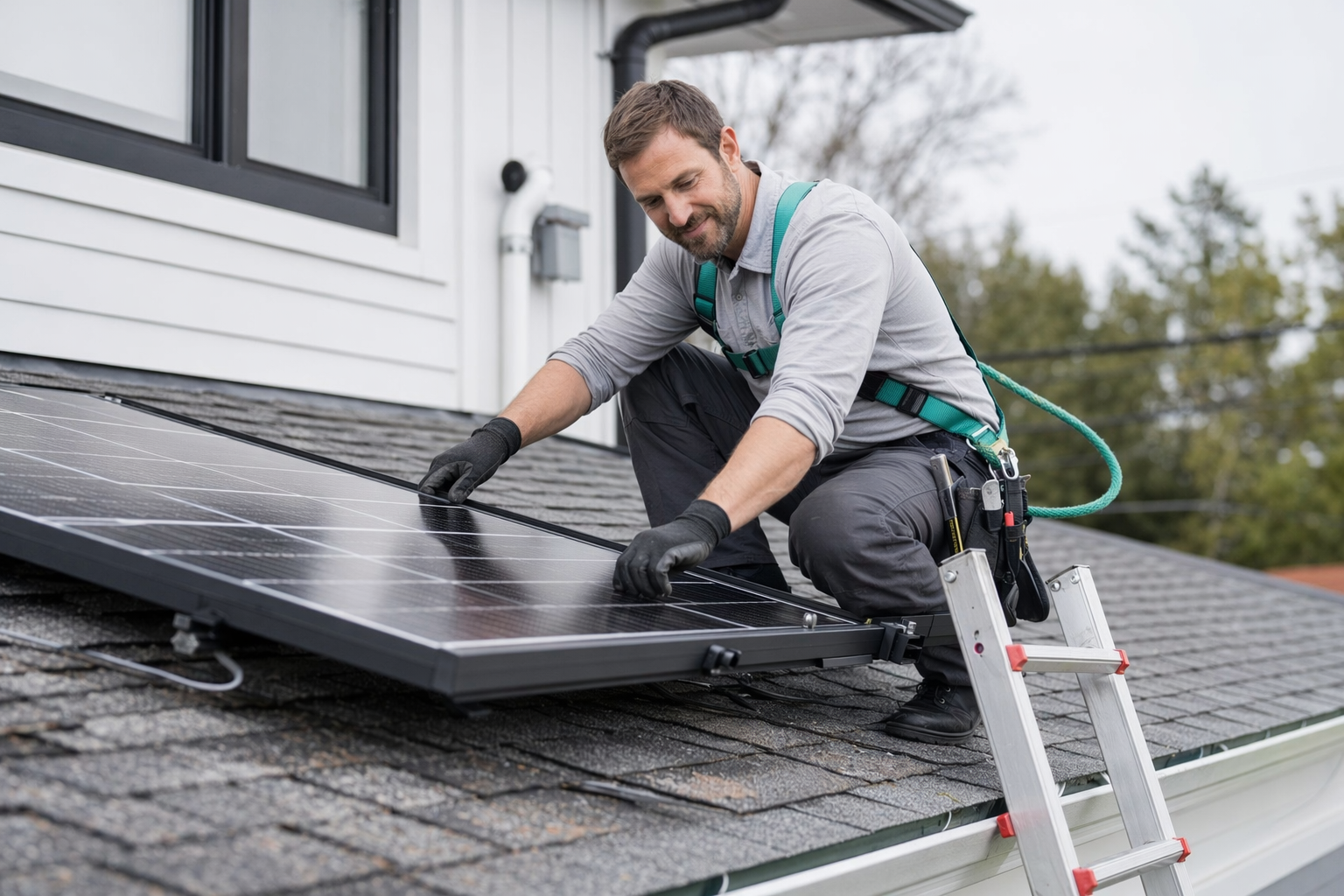
When a west-facing roof can make a lot of sense
A west-facing roof can be a practical fit if your household demand rises later in the day. In some areas, utility rates are higher during late afternoon and evening hours. If that applies where you live, power made later in the day may line up better with your usage pattern. That does not guarantee a specific bill result, but it can be part of the decision.
A battery can also change the conversation. Battery capacity is measured in kWh, and backup duration depends on what you power. For example, a battery in a common home range might support essentials like the refrigerator, lights, internet, and some outlets for several hours, while larger loads such as central air can shorten backup time. If you are comparing solar-plus-storage, ask installers to show how a south-facing array and a west-facing array would pair with the battery size you are considering.
A west-facing roof may also help when the south side is not very usable. Common reasons include vents, chimneys, dormers, skylights, or nearby shade. In that case, west-facing panels may offer a cleaner layout and a simpler installation path. If you want help understanding your options before you talk to local companies, you can start with help.
What kind of production difference is typical
There is no single percentage that fits every home, but a west-facing system often produces somewhat less annual energy than a similar south-facing system in the same location. In many real-world layouts, the gap might be modest. On some roofs it is more noticeable. The actual difference depends on your latitude, roof pitch, panel placement, shade, and whether panels can be installed on multiple roof planes.
It also helps to think in system size, measured in kW. A 6 kW system and a 10 kW system will not behave the same way just because the roof faces the same direction. Production estimates should be based on the specific roof and design, not a simple rule of thumb. If you are still learning the basics, how to size a solar system explains how installers estimate system size and output.
One homeowner might find that a smaller south-facing area limits how many panels fit, while a larger west-facing area allows a bigger system. Another might have enough room on both planes and use a mix of south- and west-facing panels to balance total output and later-day production. That is why written proposals matter. Compare the estimated annual production, the panel layout, the inverter plan, and any battery backup assumptions side by side.
How to compare bids without getting lost
When you talk to installers, ask each one to show the same basics in writing so you can compare apples to apples. Voltariva is a free matching service, not an installer, and you stay in control of the decision. If you want, you can get matched with licensed local installers and compare proposals yourself.
Ask each installer for:
- Total system size in kW
- Estimated annual production range for your specific roof
- A panel layout showing which roof planes are used
- Battery size in kWh, if included
- What the battery is intended to back up and for about how many hours for essentials
- Equipment details, monitoring, warranties, and total price
- License and insurance information
It is smart to compare at least two or three options if possible. One design may favor maximum yearly production, while another may favor later-day production or simpler installation. Neither is automatically right for every house.
Before work starts, confirm the final scope, equipment, warranties, timeline, and price in writing. Make sure the installer is licensed and insured in your area. If you submit a request through Voltariva, matching is free, and you agree to be contacted about your request under the form consent.
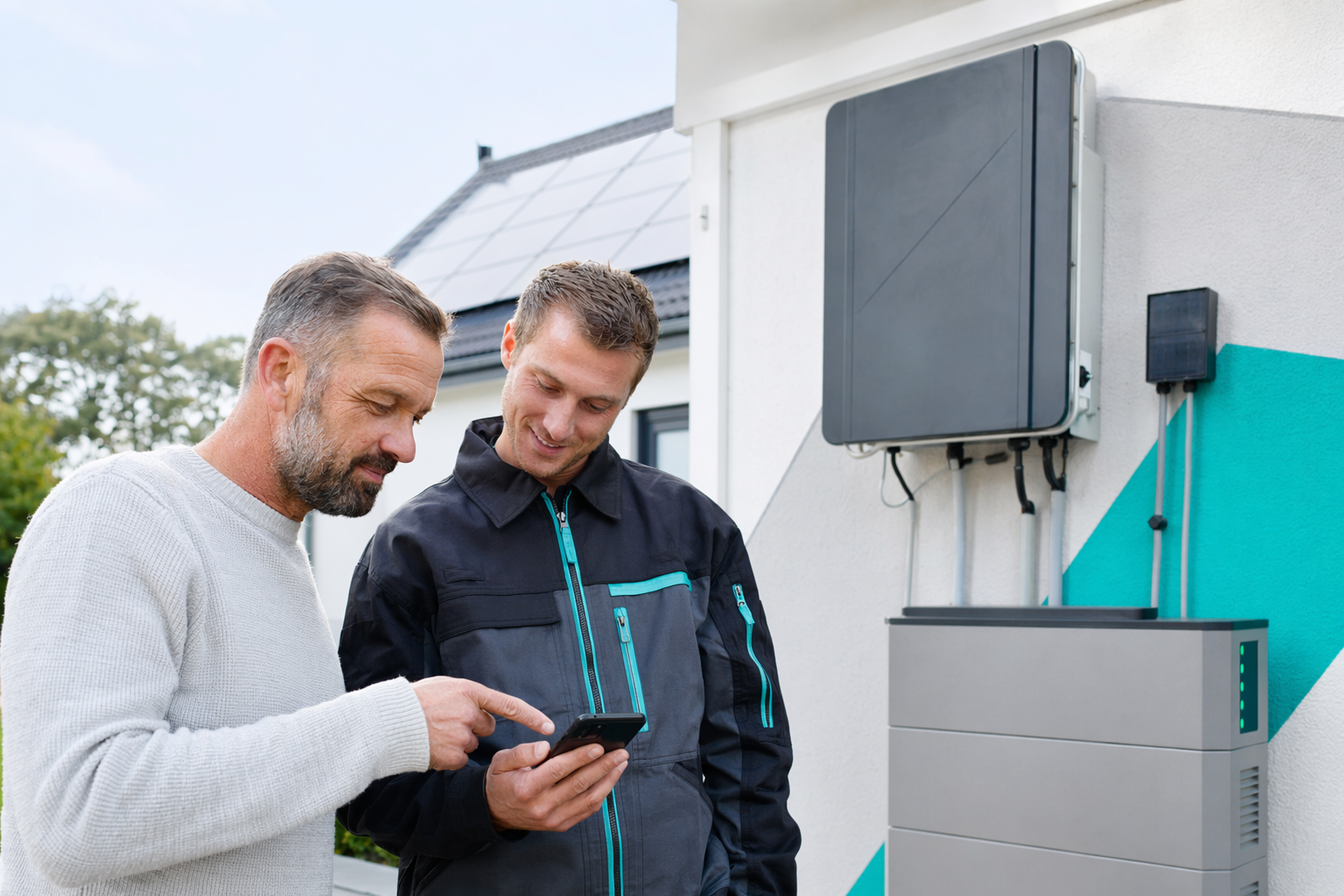
In plain English
A south-facing roof often makes more solar overall, but a west-facing roof can still be a strong option, especially if it matches your afternoon and evening electricity use.
Always hire licensed, insured installers — and verify the license, insurance, and warranties yourself.
Common questions
Is south-facing always best for solar?
Not always. South-facing roofs often produce the most total energy over a year, but a west-facing roof can still be a very good fit depending on shade, roof space, local rates, and when your home uses electricity.
Can west-facing solar still work with a battery?
Yes. A west-facing array can pair well with a battery, especially if you want more later-day solar production. The right battery size depends on your goals and which essentials you want to back up.
How much backup can a home battery provide?
It depends on the battery size in kWh and the loads you run. Many systems are set up to cover essentials like refrigeration, lights, internet, and some outlets for several hours, but heavy loads can reduce runtime.
Should I install panels on both south and west roof planes?
Sometimes that is the best compromise. A mixed layout can help balance total annual production with later-day output, but the best design depends on roof space, shade, and the installer's production estimates for your home.