Quick answers
What is a solar power-purchase agreement (PPA)?
A solar power-purchase agreement, or PPA, is a contract where a company arranges for solar equipment to be installed on your home and you agree to buy the electricity it produces at a set price or pricing formula over time. You do not own the system, so the tradeoff is usually lower upfront cost in exchange for a long-term agreement and less control.
How a PPA works
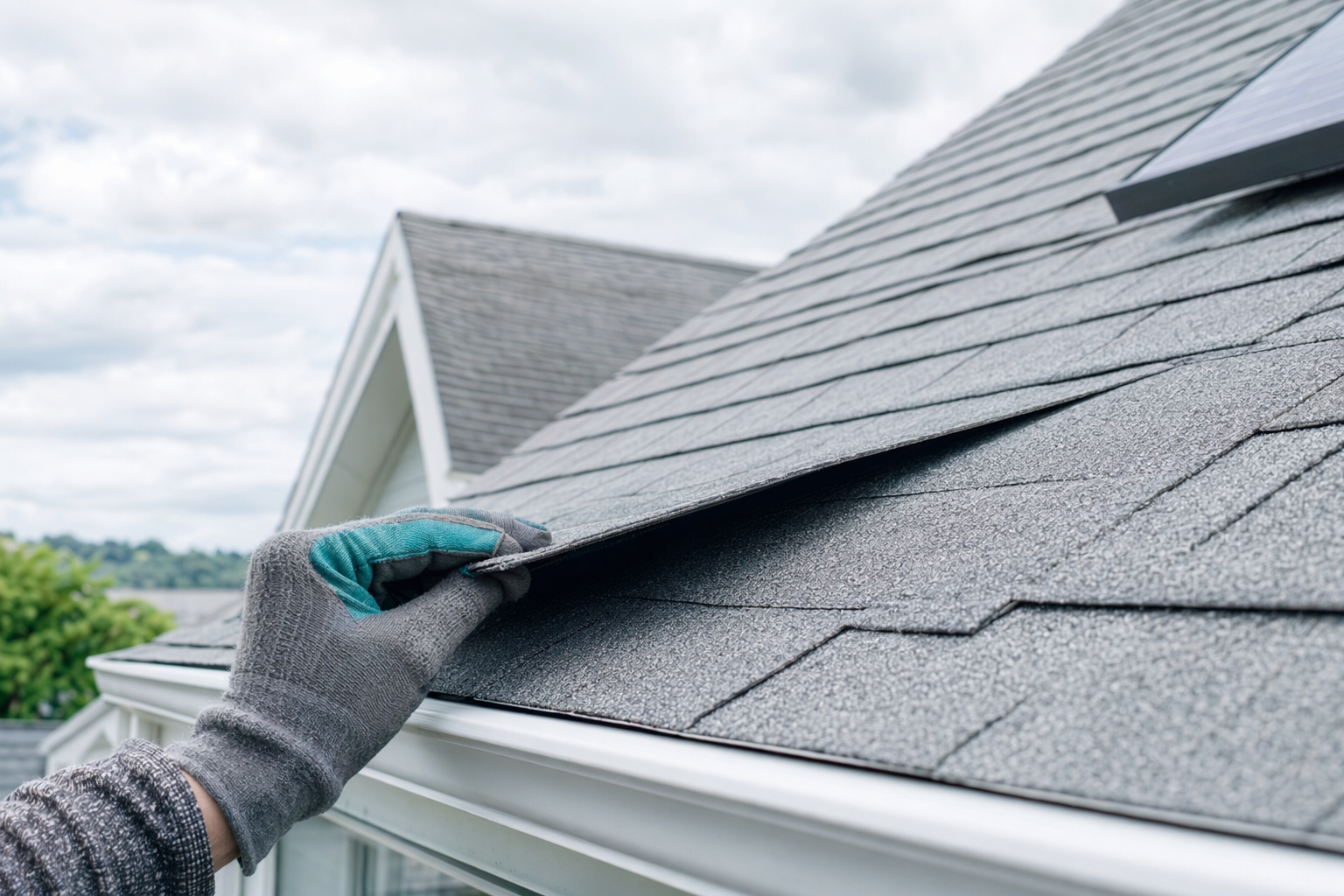
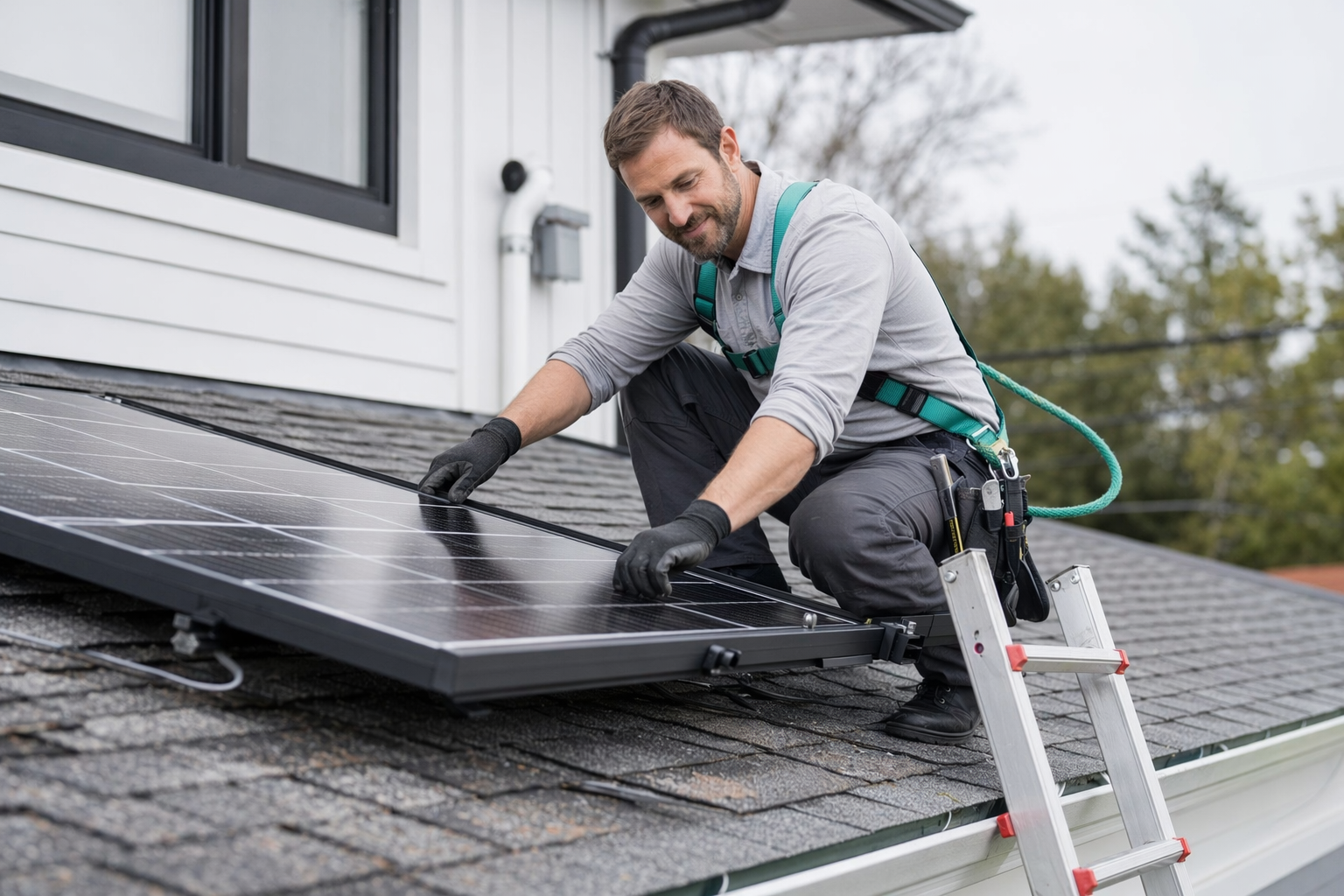
With a PPA, the solar system is usually owned by a third party, not the homeowner. That company works through an installer to place panels on the roof, and sometimes a battery is included, though many PPAs are solar-only. Instead of paying for the equipment itself, you pay for the power the system generates, often in cents per kilowatt-hour.
The contract term is commonly long, often around 10 to 25 years, depending on the offer and state rules. Some PPAs use a flat rate for the full term. Others include an annual price escalator, which means the price you pay per kWh can rise each year by a stated percentage.
A PPA is different from buying solar with cash or a loan. If you buy, you own the system and usually have more say over equipment, monitoring, repairs, and what happens if you sell the house. If you use a PPA, many of those details are controlled by the system owner, so it is important to read the agreement closely and ask questions in writing.
What homeowners usually like, and what they should watch closely
The main reason some homeowners consider a PPA is the lower upfront cost. In some cases, there may be little or no money due at installation, which can make solar feel more reachable. The system owner is also often responsible for certain maintenance items during the contract term, though the exact scope varies.
The tradeoffs matter. Because you do not own the system, you may not receive the same tax-credit benefit or have the same flexibility to upgrade equipment later. You also need to understand how billing works, what happens if the system produces less than expected, and whether your utility bill can still be significant at night, in winter, or during high-use months.
Before signing, ask about:
- the starting price per kWh
- whether there is an annual escalator, and how much
- the full contract length
- who monitors, maintains, and repairs the system
- whether a battery is included, and if so, its kWh capacity and what essential loads it can support
- transfer terms if you sell the home
- buyout, early termination, and removal terms
If you are comparing solar paths, it can help to review system sizing basics first in how to size a solar system. Even with a PPA, you still want to understand roughly how much roof space and production your home may need.
How PPAs compare with owning solar or adding battery backup
If you buy a system outright or with financing, the installed price for rooftop solar often falls in a broad range based on system size in kW, roof complexity, equipment, and local labor. For many homes, a solar-only system might land somewhere around 4 to 12 kW, but the right size depends on your usage, roof, and utility setup. A home battery might add roughly 10 to 20+ kWh of storage, enough in many cases to run selected essentials for several hours, though exact backup time depends on what you power.
A PPA can reduce the upfront hurdle, but it may limit your control over panel choice, battery option, and future changes. If backup power during outages is a priority, do not assume a solar system automatically provides it. Many grid-tied systems shut off during outages unless they are designed with battery backup and the right controls.
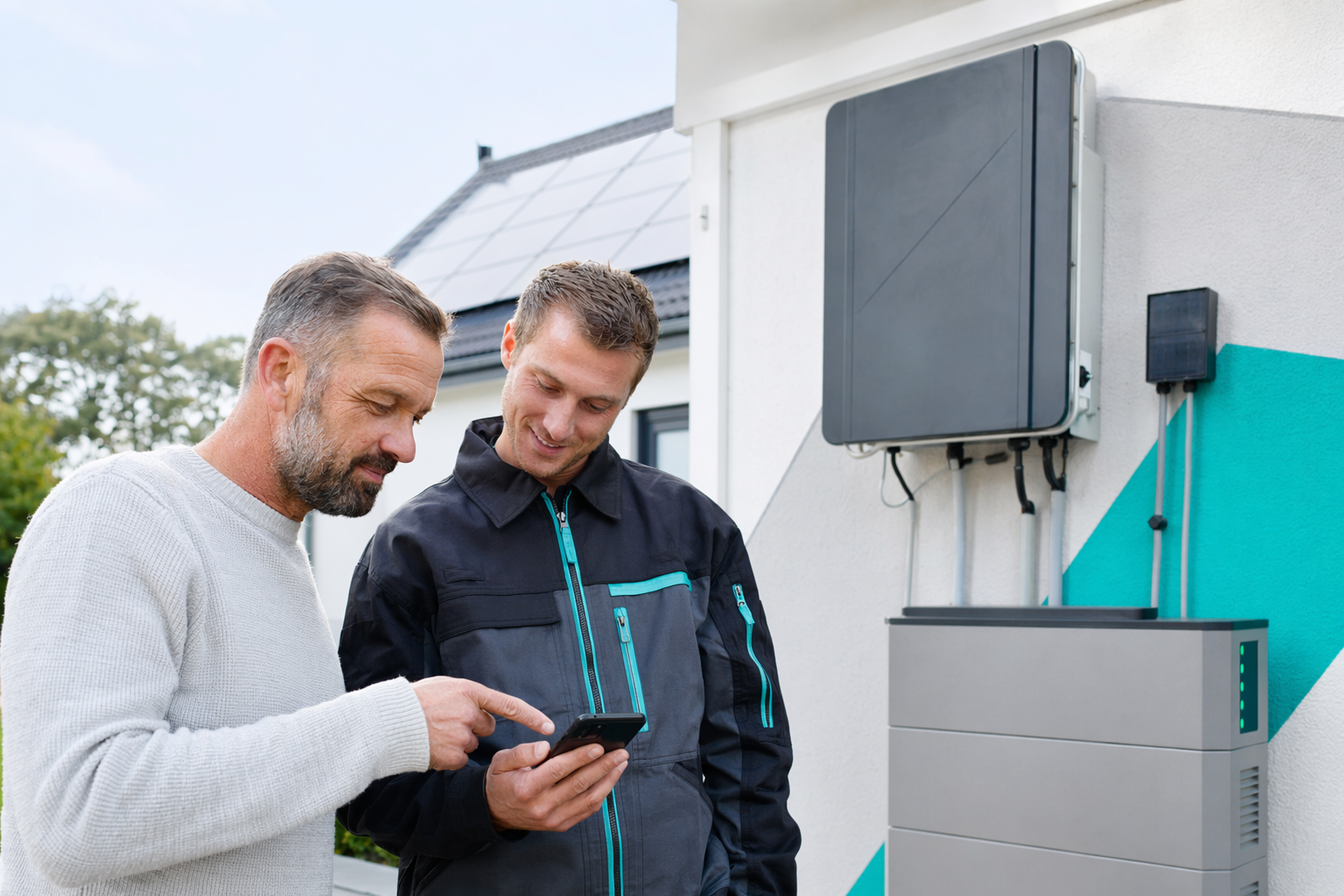
That is why battery details should be specific, not vague. Ask which circuits or appliances are backed up, how many kWh of storage are included, and how many hours of backup the setup may provide for essentials like refrigeration, lights, internet, or medical devices. Real performance depends on your actual loads, the battery size, weather, and system settings.
Whether you are considering a PPA, purchase, or loan, compare written proposals side by side. The decision is not just about monthly cost. It is also about contract length, roof condition, outage needs, service responsibilities, and what happens if your plans change.
Questions to ask before you agree to anything
A PPA is not automatically good or bad. For some homeowners, it can be a practical way to access solar with less upfront spending. For others, the long contract and limited ownership control are not worth it. The key is to slow down, compare options, and make sure the numbers and terms make sense for your home.
If your roof may need work soon, address that first. Solar panels are easier to install on a roof with enough remaining life. If the roof needs repair or replacement during a PPA term, ask who pays for panel removal and reinstallation, and get that answer in writing.
A careful homeowner will usually ask for:
- a copy of the full contract before signing
- projected production assumptions and how they were calculated
- all fees, escalators, and end-of-term options in writing
- proof that the installer is licensed and insured locally
- clear equipment and workmanship warranty documents
- a plan for roof issues, future home sale, and service calls
Voltariva is a free matching service, not an installer. We help homeowners learn the basics, including for people who are newer to the US or more comfortable in another language, and connect with licensed local installers to compare options. If you want help reviewing your next step, visit help or get matched. When you submit a request, matching is free and you agree to be contacted about your request.
In plain English
A PPA lets you use solar with less upfront cost, but because you do not own the system, you should compare the full contract terms carefully before deciding.
Always hire licensed, insured installers — and verify the license, insurance, and warranties yourself.
Common questions
Do I own the solar panels in a PPA?
Usually no. In a PPA, a third party typically owns the system and you pay for the electricity it produces under the contract terms.
Can a PPA include a battery?
Sometimes. Some offers include battery backup, but many do not. Ask for the battery size in kWh, what loads are backed up, and estimated hours of backup for essentials.
What happens if I sell my house?
It depends on the contract. The buyer may need to assume the agreement, or you may need a buyout or other arrangement. Ask about transfer and early termination terms before signing.
Is a PPA cheaper than buying solar?
Not always. A PPA may lower upfront cost, but the long-term value depends on the contract rate, any escalator, your roof, system output, utility rates, and whether you want ownership control.