Quick answers
What does a solar inverter do?
A solar inverter is the part of a home solar setup that turns the electricity from your panels into the kind your home can use. It also helps your system run safely, tracks performance, and, in many homes, plays a big role in how solar works with a battery.
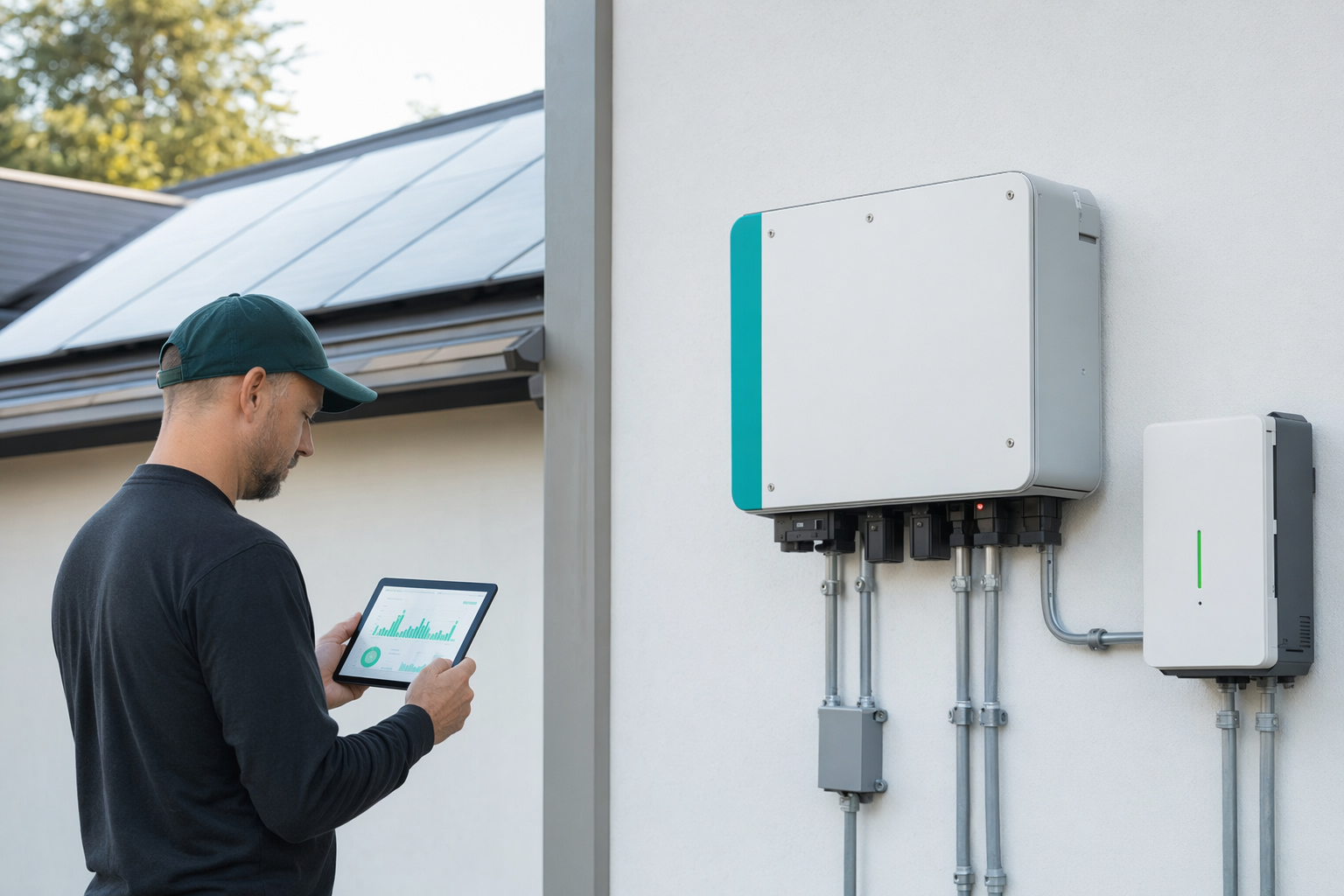
What an inverter does in a solar system
Solar panels make direct current, often shortened to DC. Your lights, outlets, appliances, and the power grid use alternating current, or AC. The inverter is the device that converts DC from the panels into AC so the electricity can power your home or flow to the grid.
That conversion job is the basic answer, but an inverter usually does more than that. It helps control voltage and frequency, shuts the system down when needed for safety, and often gives you production data through an app or monitoring portal. If something is underperforming, the inverter or its monitoring system may be the first place an installer checks.
In a solar-plus-storage setup, the inverter can also help manage when solar energy powers the home, when extra energy charges a battery, and when the battery discharges to support essential loads. The exact setup depends on the equipment design, your home's electrical layout, and whether you want backup during outages.
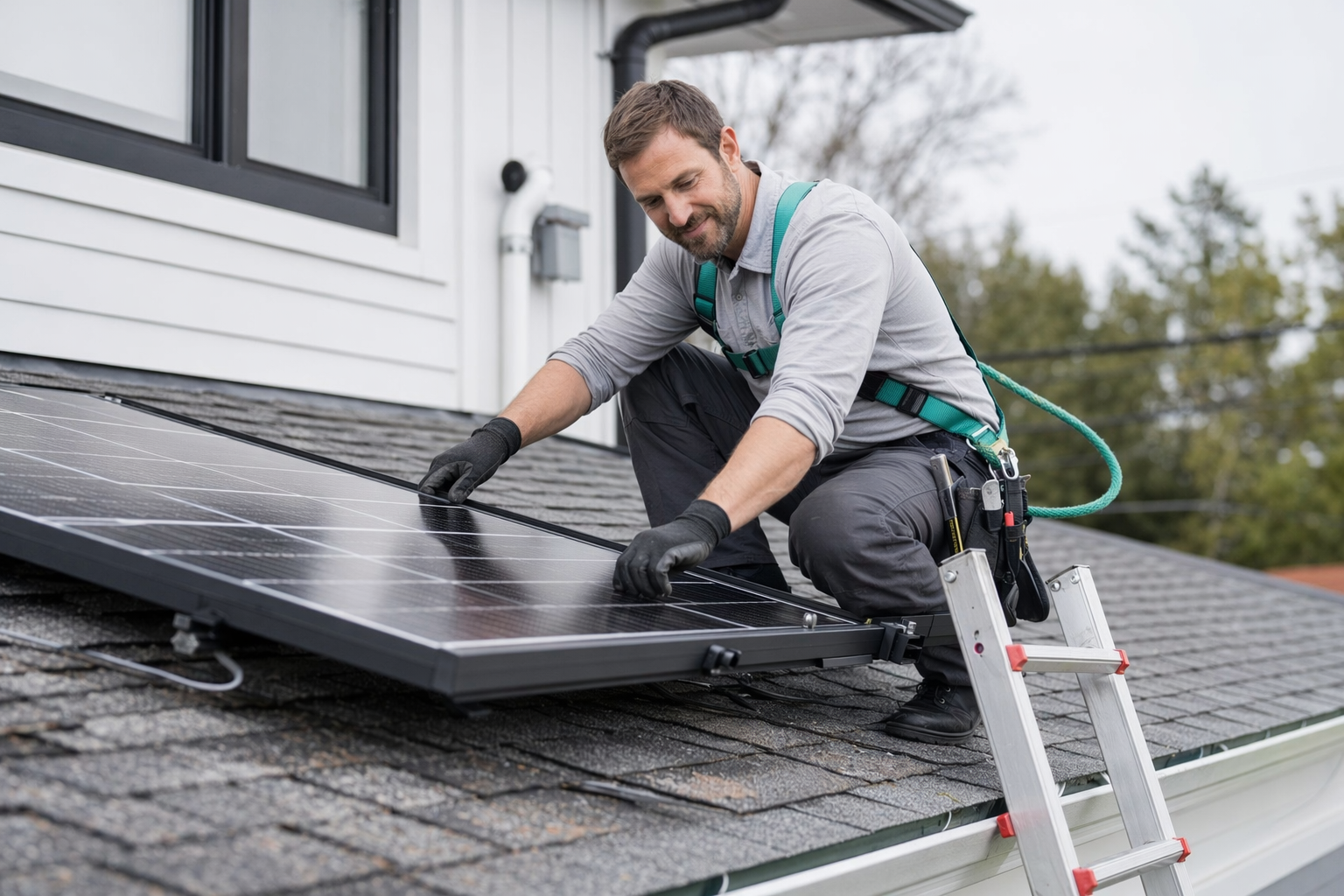
Common inverter types homeowners may see
Homeowners usually hear about three broad categories: string inverters, microinverters, and battery-capable or hybrid inverters. Each handles solar power a little differently.
- String inverter: Multiple panels are grouped together, and one central inverter converts their power. This can be a simpler design, but the performance of one panel can affect the group if there is shading or mismatch.
- Microinverters: A small inverter is paired with each panel. This can help when roof sections face different directions or get partial shade at different times of day.
- Hybrid or battery-capable inverter: This type is designed to work with both solar and energy storage, though the exact battery setup varies by system.
There is no one best choice for every home. A straightforward roof with little shade may work well with one design, while a roof with multiple angles, vents, chimneys, or shade may point toward another. If you are comparing bids, ask each installer to explain why they chose that inverter type for your roof, not just what brand or model they listed.
If you are still figuring out what size system makes sense for your home, how to size a solar system is a good next step before you compare equipment.
How the inverter affects batteries and outage backup
A lot of homeowners assume solar panels automatically keep the house running when the grid goes down. In most grid-tied systems, that is not how it works. For safety reasons, standard solar usually shuts off during an outage unless the system is specifically designed for backup.
That is where the inverter matters. In a battery-ready or backup setup, the inverter helps separate your home from the grid during an outage and directs power where it is needed. Many backup systems are set up to run essential loads rather than the whole house. That might include refrigeration, some lighting, internet equipment, outlets for charging, and sometimes a well pump or gas furnace fan.
Battery capacity is measured in kWh, and backup time is usually described in hours for selected essentials, not as a blanket promise for the whole home. For example, a home might pair solar with roughly 10 to 30 kWh of battery storage, but real backup time depends on what is being powered, how much solar is available, and how the system is configured.
If backup is important to you, ask installers to spell out in writing:
- Which circuits will be backed up
- Whether the inverter is battery-ready now or only with additional equipment later
- How the system behaves during an outage
- Whether large loads like central AC, electric range, or EV charging are included or excluded
What to ask before you choose an inverter setup
An inverter is not just a box on the wall. It affects system design, monitoring, future battery options, and service access. That is why it is worth asking clear questions when you review proposals from licensed local installers.
Useful questions include:
- What inverter type are you proposing, and why is it a fit for this roof?
- How will shading, roof direction, and panel placement affect performance?
- What system size in kW are you recommending?
- If I may want a battery later, what battery capacity in kWh would this setup support?
- During an outage, what will actually stay on, and for about how many hours under normal essential-load use?
- What warranties apply to the inverter, panels, battery equipment, and labor?
- Who handles monitoring, troubleshooting, and warranty service?
Installed pricing for solar and storage varies widely by home, region, roof condition, electrical work, equipment, and incentives. That is why it is better to compare detailed written bids than rely on rough verbal estimates. Review scope, equipment lists, warranty terms, exclusions, and any roof-readiness concerns before work starts.
Voltariva is a free matching service. We do not sell, finance, design, or install solar, roofing, or battery systems. We help homeowners understand the basics and reach licensed local installers to compare options. If you want help sorting through next steps, visit help or get matched. When you submit a request, you agree to be contacted about your project.
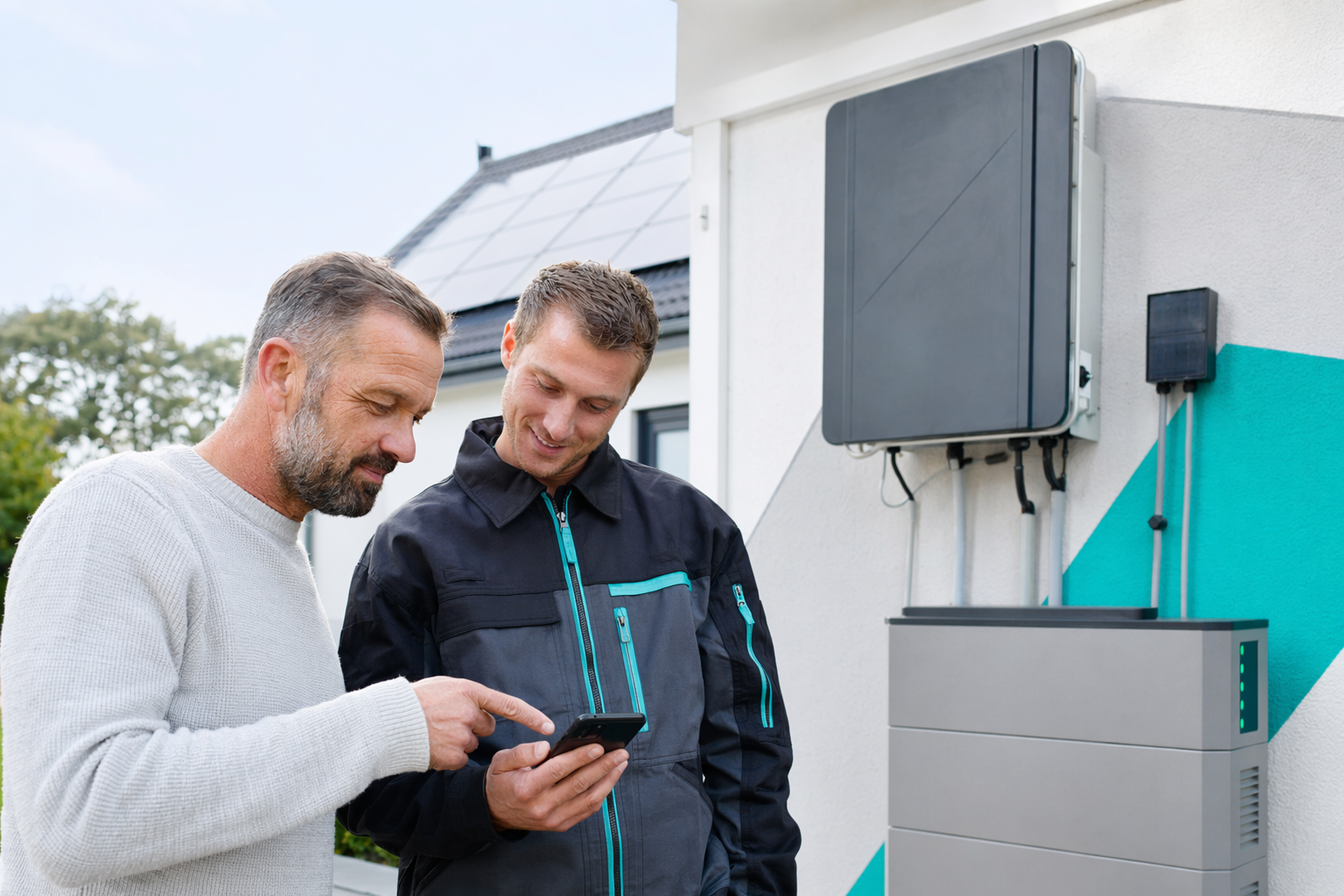
In plain English
A solar inverter is the part of the system that makes panel power usable in your home and often determines how solar works with monitoring, batteries, and outage backup.
Always hire licensed, insured installers — and verify the license, insurance, and warranties yourself.
Common questions
Does every solar system have an inverter?
Yes. Solar panels produce DC electricity, and a home system needs an inverter or inverter-based equipment to convert that power into usable AC electricity.
Can an inverter help my home stay on during a blackout?
Only if the system is designed for backup. Most standard grid-tied solar systems shut down during outages unless paired with the right inverter setup and, usually, a battery.
What size inverter do I need?
It depends on your solar system size in kW, your panel layout, your electrical setup, and whether you want battery backup. A licensed installer should size it for your home and show the details in writing.
How long does a solar inverter last?
It varies by equipment type, usage, climate, and installation conditions. Ask each installer about expected service life, warranty coverage, and who handles replacement or warranty claims.