Quick answers
What is net metering?
Net metering is the billing setup that may give your home credit for extra solar electricity sent to the grid. It sounds simple, but the value of those credits can vary a lot by utility, state, and rate plan, so it is worth understanding before you compare solar quotes.
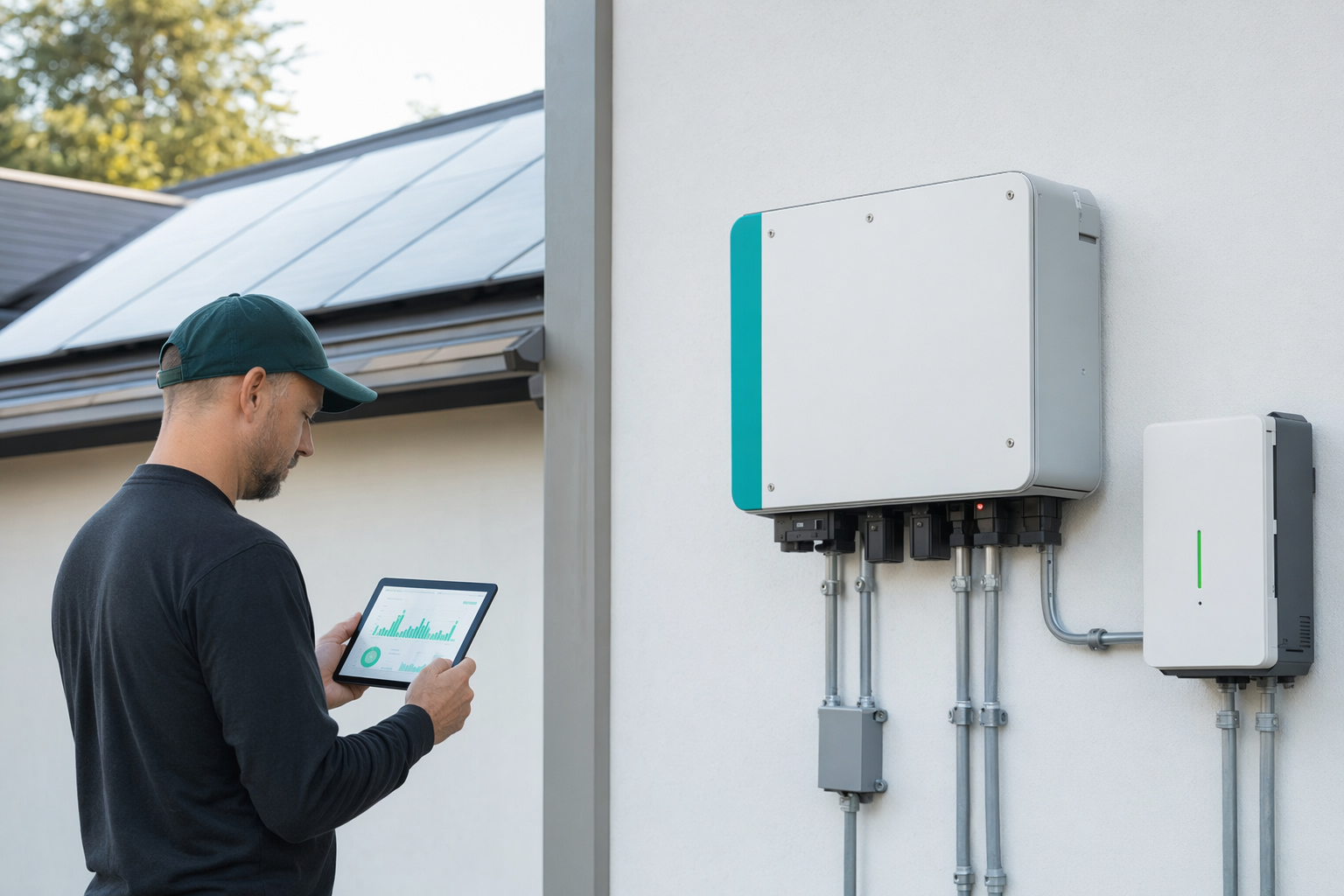
How net metering works
When rooftop solar makes more electricity than your home is using at that moment, the extra power can flow back to the utility grid. Under a net metering policy, your utility may track that exported energy and apply a credit to your bill.
Later, when your panels are not producing enough, like at night or on cloudy days, your home pulls electricity from the grid as usual. Your monthly bill may reflect both directions: electricity you used from the grid and electricity your system exported.
The important detail is that a credit is not always the same as a cash payment. In some places, each exported kWh is credited close to the retail rate. In others, the credit may be lower, time-based, or handled under a different export program. That is why two similar homes can get different bill results from similar solar systems.

Why net metering matters for solar and batteries
Net metering affects the value of a solar system because it helps determine what your exported electricity is worth. If export credits are strong, a homeowner may be comfortable sending more daytime solar to the grid. If export credits are lower, it may matter more to use more of your solar at home.
That is one reason batteries come up in the same conversation. A battery does not create electricity, but it can store some solar production for later use. Home battery capacity is usually discussed in kWh, and backup is often described in hours for essentials like refrigeration, lights, internet, or a few outlets.
For example, one home might install a roughly 6-10 kW solar system and pair it with a battery in a broad range like 10-20 kWh. Another home might choose solar only. The better fit depends on outage concerns, utility rules, rate structure, budget, and how much energy the household uses during the day versus the evening.
If you are still figuring out the right system size, how to size a solar system is a good place to start before you compare installer recommendations.
Common net metering details homeowners should check
Not every program called net metering works the same way. Before you sign anything, ask the installer and your utility to explain the billing rules in writing. You want to know how exported electricity is credited and how those credits appear on the bill.
Check details like:
- Whether exported electricity is credited at the retail rate, a lower rate, or a time-based rate
- Whether credits roll over month to month and, if so, for how long
- Whether there are monthly fixed charges, minimum bills, or grid-connection fees
- Whether you must enroll in a time-of-use rate plan
- Whether battery exports are treated differently from solar exports
- Whether there is a system size limit tied to your historic usage
Also ask what happens if your system produces more over the year than your home uses. Some utilities carry credits forward. Others settle them differently. Small policy details can affect the real-world value of a solar proposal, especially if the quote assumes a certain export credit.
A careful installer should be able to show estimated production, likely self-consumption, and expected export assumptions. You should compare bids side by side and confirm equipment, scope, warranties, and price in writing before work starts.
What Voltariva can and cannot do
Voltariva is a free matching service. We help homeowners understand topics like rooftop solar, roof-readiness, battery backup, and utility billing basics, then connect them with licensed local installers if they want to compare options. We do not sell, finance, design, or install solar or battery systems.
That matters because net metering questions often need local answers. Utility rules, state policies, home energy use, roof layout, and electrical setup can all change what makes sense. A local licensed installer can review your roof, service panel, shading, and bill history, then explain how your utility handles exports.
If you want help finding companies to quote your project, you can get matched at no cost. When you submit a request, you agree to be contacted about your project. You can also visit help if you want more plain-language guidance before taking the next step.
As you compare quotes, verify that each installer is licensed and insured, and ask for warranty terms in writing. You are the decision-maker. Your job is to compare bids, ask direct questions about net metering assumptions, and choose the installer that best fits your home and priorities.

In plain English
Net metering is the utility rule that may give you bill credit for extra solar power your home sends to the grid, but the value of those credits depends on where you live and your utility's rules.
Always hire licensed, insured installers — and verify the license, insurance, and warranties yourself.
Common questions
Is net metering the same everywhere?
No. Rules vary by state, utility, and rate plan. The credit for exported electricity may be close to the retail rate in some places and lower or structured differently in others.
Does net metering mean my electric bill goes to zero?
Not necessarily. Many homes still have fixed charges, minimum bills, seasonal usage differences, or times when they use more grid electricity than their system offsets.
Do I need a battery if I have net metering?
Not always. Some homeowners choose solar without a battery. Others add storage for outage backup, evening use, or because export credits are less favorable. The right choice depends on your goals and local rules.
Will solar work during a blackout if I have net metering?
Usually not by itself. Most grid-tied solar systems shut off during an outage for safety. A battery and the right backup setup are typically needed if you want power during blackouts.