Quick answers
Will solar power my house in a blackout?
Usually, **solar alone will not keep most houses running during a blackout**. In most cases, you need a home battery and the right backup setup if you want your solar system to power lights, refrigeration, internet, and other essentials when the grid goes down.
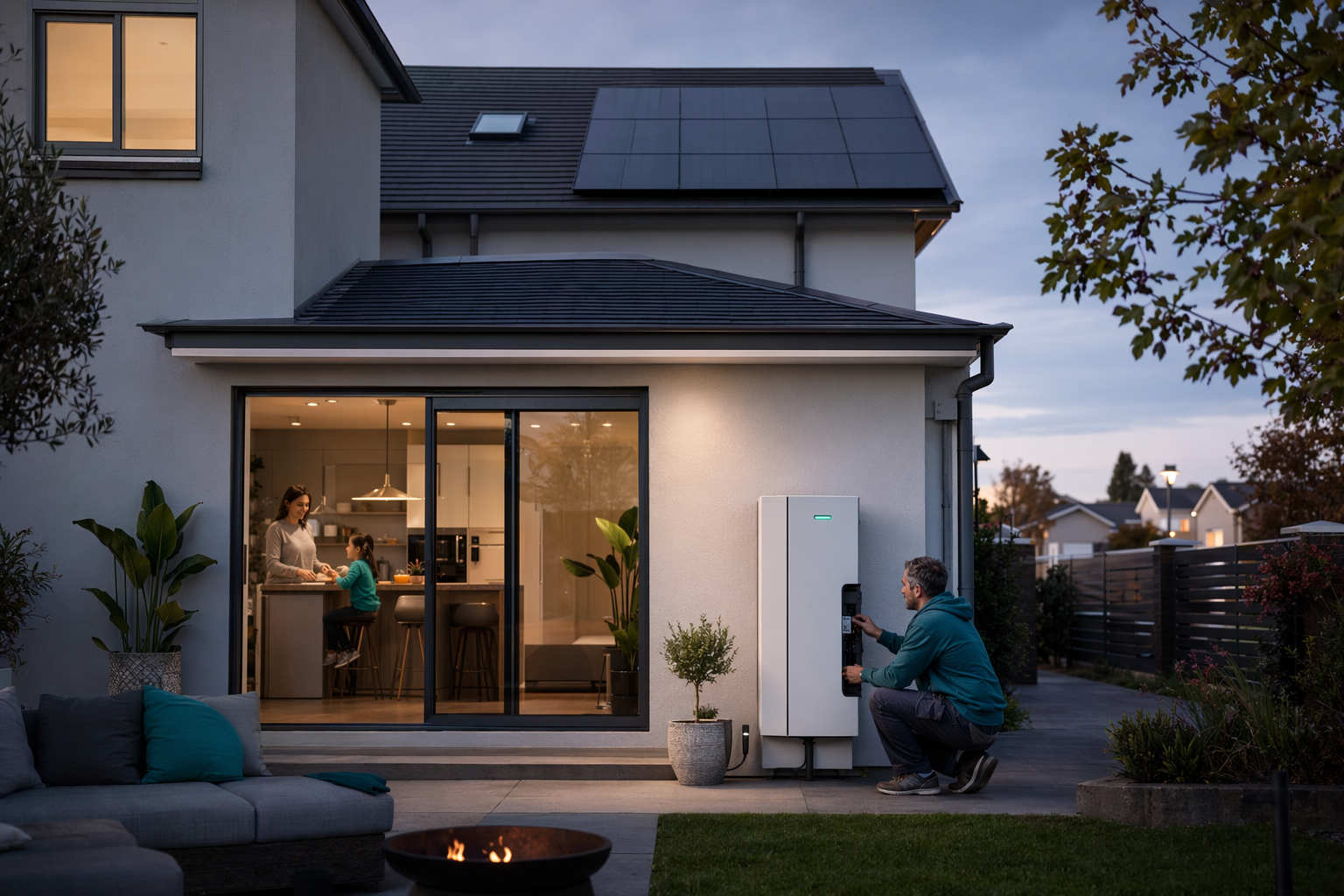
Why solar often shuts off when the grid shuts off
A common surprise for homeowners is this: rooftop solar panels may be making electricity during a sunny outage, but the house still goes dark. That is because most standard grid-tied solar systems are designed to shut down automatically when utility power goes out.
This shutdown is a safety feature. It helps prevent electricity from flowing back onto utility lines while crews are working nearby. So if you have solar panels but no battery and no backup controls, your system usually will not power your home in a blackout.
There are exceptions, but they are not the default. Some systems can be designed with limited daytime backup features, and solar-plus-battery systems can continue powering selected circuits or, in some homes, much more of the house. The exact setup depends on your inverter, battery capacity in kWh, panel size in kW, and whether the installer builds a whole-home or essential-load backup plan.
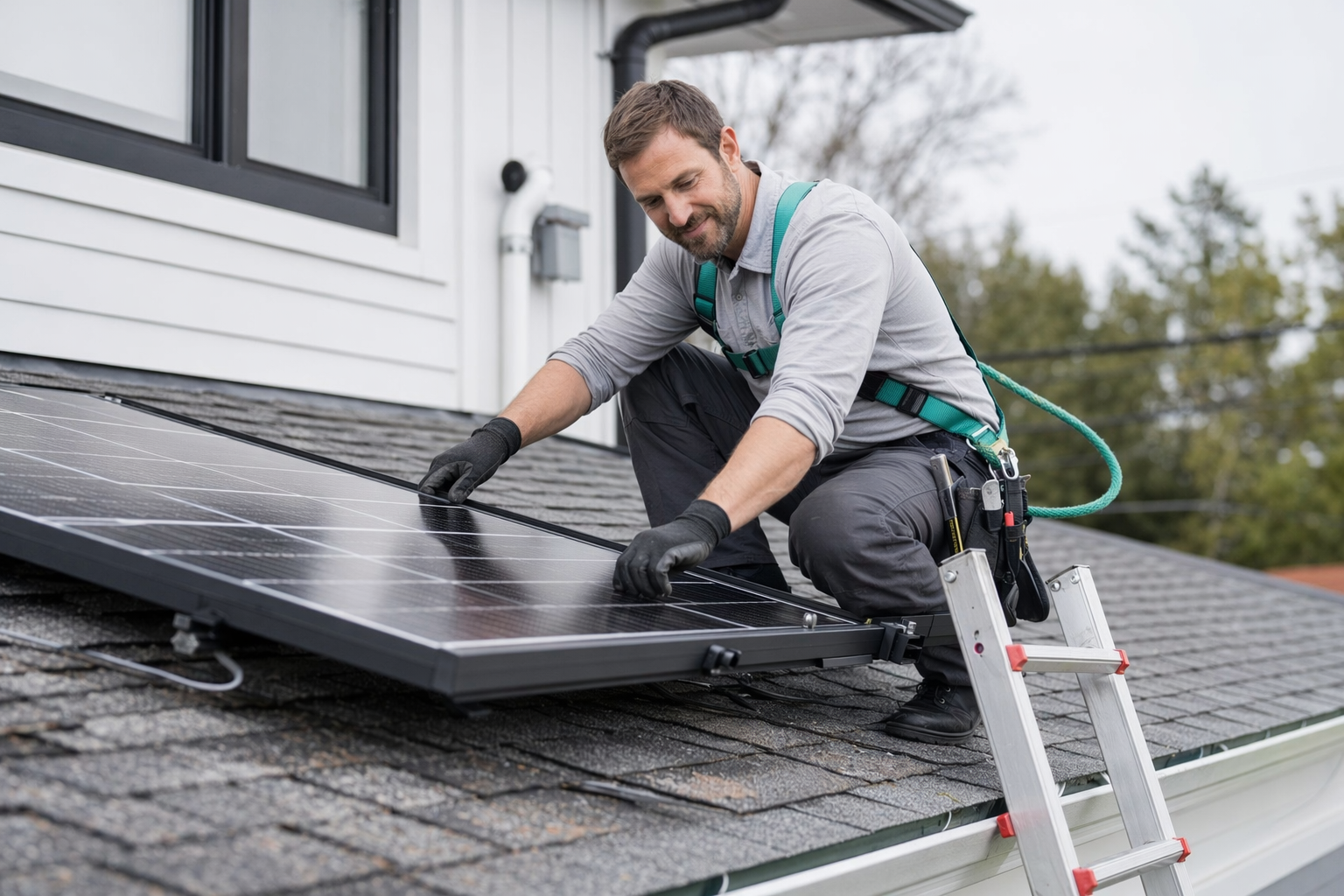
What you need if you want backup power
If blackout protection matters to you, ask about solar plus battery storage, not just solar panels. A battery stores electricity for use when the grid is down, and the system needs equipment that can safely separate your home from the grid during an outage.
Most homeowners choose between two backup approaches:
- Essential-load backup: powers selected items like the refrigerator, some lights, Wi-Fi, phone charging, garage door opener, and maybe a few outlets
- Broader home backup: designed to cover more of the house, sometimes including well pumps, larger kitchen loads, or limited HVAC use, depending on battery size and startup loads
Battery size is usually discussed in kWh, and solar size in kW. As a rough planning range, one battery might support essentials for several hours to around a day, while longer backup usually means either lower usage, more battery capacity, favorable solar production during the outage, or some combination of all three. Actual runtime depends heavily on what you keep on, especially electric heat, air conditioning, ovens, clothes dryers, and vehicle charging.
If you are early in the process, how to size a solar system can help you think through home usage before you compare installer proposals.
Can solar power the whole house during a blackout?
Sometimes, but not always, and not in the way many people first imagine. A system can be designed to back up a large share of household use, but whole-home backup usually requires more battery capacity, careful load planning, and sometimes lifestyle adjustments during outages.
For example, one homeowner might use a roughly mid-sized solar array and battery setup to keep essentials running overnight and recharge during sunny daytime hours. Another homeowner with a larger house, electric cooking, central air, or a well pump may need a larger battery bank to get similar backup time. Two homes with the same roof can have very different outage performance because their usage patterns are different.
It is also important to know that solar production changes with weather, season, shade, roof direction, and time of day. On a bright summer day, panels may help recharge the battery and extend backup. During stormy weather or shorter winter days, backup may last less time. That is why good installer proposals should show what loads are expected to be backed up, for how long under typical assumptions, and what happens when solar production is limited.
The safest way to shop is to ask each installer to spell out, in writing, which circuits are included, the battery capacity in kWh, the solar size in kW, the expected backup plan for essentials, and any limits on large appliances.
How to compare local installer proposals without getting overwhelmed
When you request matches through Voltariva, the matching service is free. Voltariva is not an installer and does not design, sell, finance, or install systems. It helps you understand the basics and connect with licensed local installers so you can compare your options. When you submit a request, you agree to be contacted about your project.
As you compare proposals, focus on clarity more than sales language. Ask each installer to confirm these points in writing before work starts:
- solar system size in kW
- battery capacity in kWh
- whether backup is for essential loads or more of the home
- which circuits or appliances are included in outage mode
- estimated backup duration for essentials under normal assumptions
- equipment details, monitoring, and warranty terms
- total price, payment terms, and any incentives used in the estimate
- installer license and insurance information
Also ask what your roof condition means for solar. If the roof may need work soon, it is often better to understand that before installing panels. Licensed, insured installers should be willing to explain tradeoffs in plain language. If you want help getting started, you can get matched or visit help for general guidance.
The bottom line is simple: solar can support outage resilience, but only if the system is designed for it. Panels alone usually do not keep the house on during a blackout. Batteries, load planning, and a clear written scope are what turn solar into real backup power.
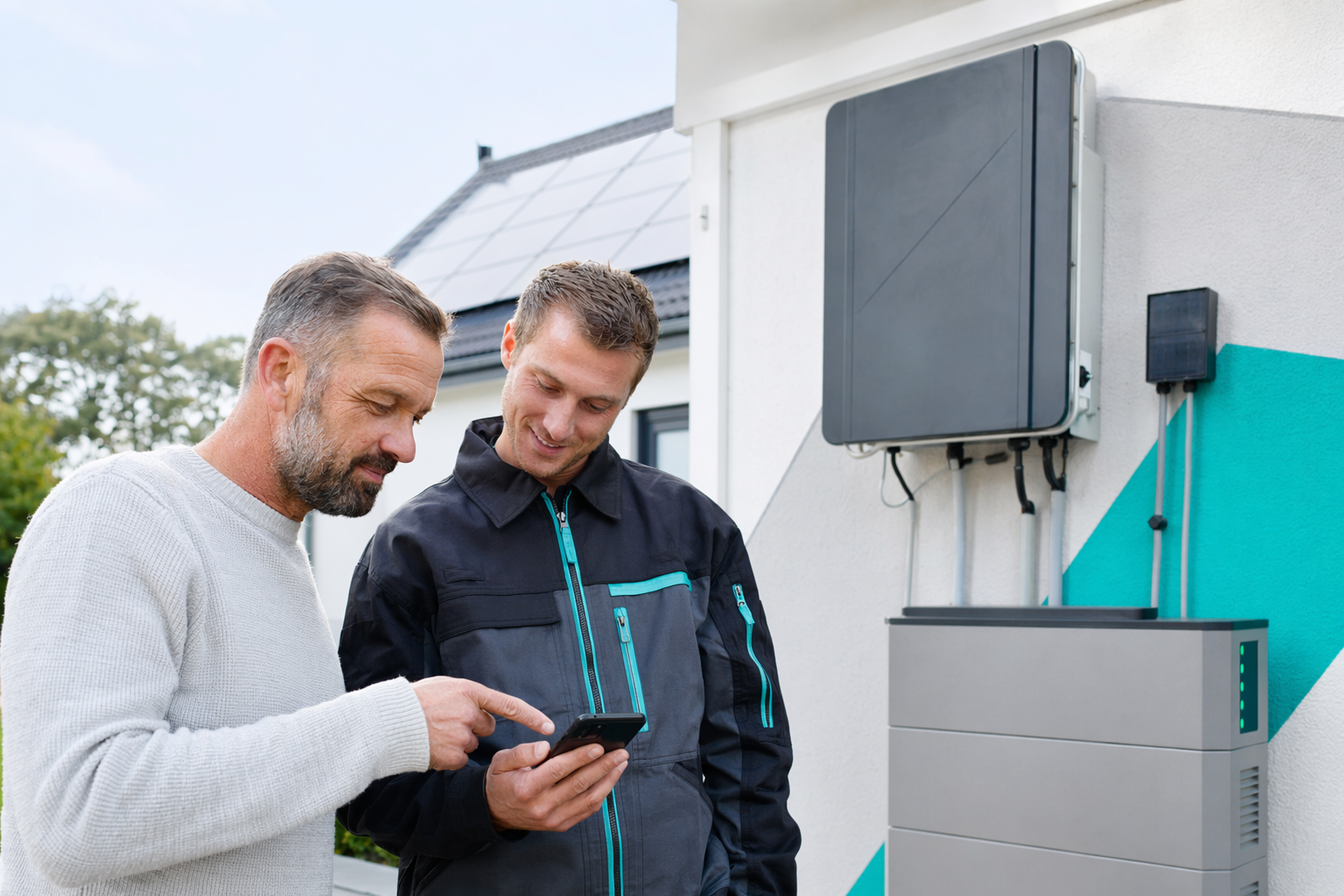
In plain English
If you want your house to stay powered in a blackout, think beyond panels alone and ask about a solar-plus-battery system designed for the specific things you need to keep running.
Always hire licensed, insured installers — and verify the license, insurance, and warranties yourself.
Common questions
Will my solar panels work during the day if the power is out?
Usually not by themselves. Most grid-tied systems shut off during an outage unless they include battery backup or another approved backup setup.
How big a battery do I need for blackout protection?
It depends on what you want to run. Batteries are sized in kWh, and runtime depends on your selected loads, usage habits, solar production, and outage conditions.
Can I run air conditioning during a blackout with solar and battery?
Sometimes, but it depends on the size of the AC system, startup loads, battery capacity, and overall system design. Many backup plans prioritize essentials first.
Does Voltariva install solar or batteries?
No. Voltariva is a free matching service that helps homeowners learn the basics and connect with licensed local installers. You compare bids and choose the installer.