Your situation
Considering solar because of high electric bills
High electric bills make a lot of homeowners look at rooftop solar, but a big bill does not automatically mean solar is the right move. The useful question is whether your roof, daytime energy use, local utility rates, and budget line up well enough to make quotes worth comparing.

Why a high bill can point to solar, but not prove it
A high electric bill usually means one of three things: you use a lot of electricity, your utility rate is high, or both. Solar can help offset part of that usage, but the result depends on how much sun your roof gets, how much usable roof space you have, and how your utility handles solar credits.
Two homes can both have high bills and get very different solar proposals. One may have a large south- or west-facing roof with little shade. Another may have trees, roof issues, or limited space that caps the system size. That is why it helps to look at kW system size, estimated production, roof condition, and utility rules, not just your latest bill amount.
If you are starting from scratch, it can help to read the basics first on systems or compare local options through get matched. Voltariva is a free matching service, not an installer, and the goal is simply to help you understand your options and reach licensed local companies.
What to check before you ask for quotes
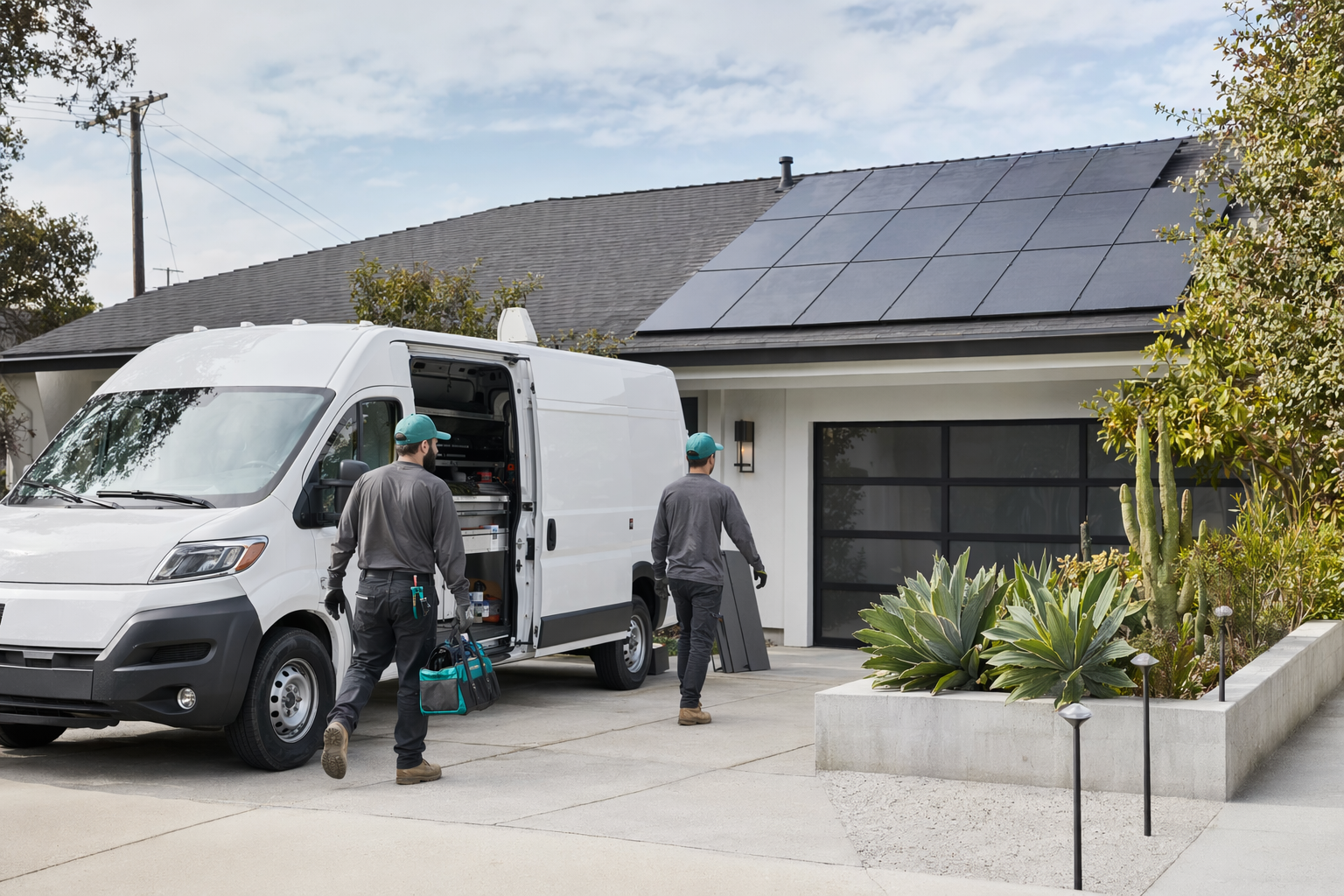
Before you spend time reviewing proposals, look at a few practical items. The best quotes come from real details, not guesses.
- Your last 12 months of electric bills or total annual kWh use
- Roof age and condition
- Shade from trees, chimneys, or nearby buildings
- Approximate roof shape and available space
- Whether you want battery backup for essentials during outages
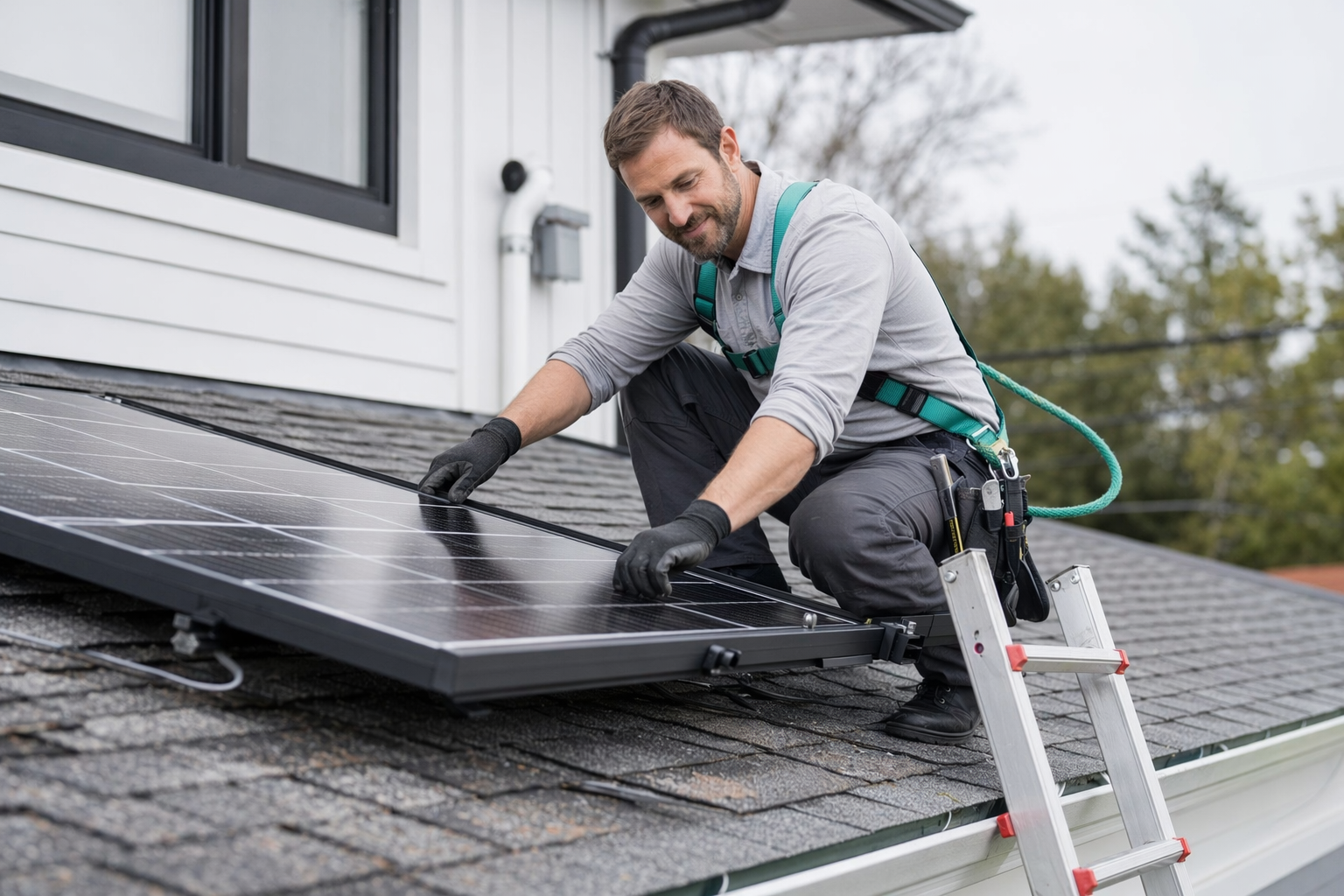
Roof condition matters more than many people expect. If your roof is older or close to replacement, it is usually worth asking about roof-readiness first. Taking panels off later to redo a roof can add cost and hassle. A licensed local installer or roofer can tell you whether the roof is likely to support a 20-plus-year solar plan.
It also helps to think about your goals. Some homeowners mainly want to reduce grid use during the day. Others care more about outage backup, which usually means adding a battery sized in kWh, with backup discussed in terms of how many hours of essentials it may support.
Honest cost ranges to expect
Solar pricing varies a lot by location, roof complexity, equipment, and installer. A common residential system might be around 5 to 10 kW. For many homes, a broad installed price range before incentives might fall somewhere around $15,000 to $35,000+ for solar alone. Larger systems, complex roofs, service-panel work, or premium equipment can push that higher. Smaller or simpler projects can come in lower.
If you are also looking at battery backup, a home battery is often discussed in kWh of storage. A common battery size might be around 10 to 20 kWh usable capacity, and adding storage can raise the project price by roughly $8,000 to $20,000+ depending on the number of batteries, backup circuits, equipment, and labor. Those are ranges, not quotes.
The important part is comparing proposals on the same terms. Ask each installer to show the proposed system size in kW, estimated yearly production, battery size in kWh if included, what loads are backed up, total price, warranty details, and any electrical or roofing work assumed. Real numbers depend on your roof, system size, battery choice, equipment, local rates, and incentives.
If a number seems much lower than the rest, ask what is missing. Sometimes a low price leaves out needed panel upgrades, roof work, monitoring, or the amount of backup a homeowner expected.
How to judge whether the proposal fits your home
A useful proposal should explain what the system is designed to do. It should not just show a monthly payment or a vague claim that your bill will drop. Look for a clear connection between your annual electricity use and the proposed solar output.
Ask practical questions like these:
- How many kW is the system, and why this size?
- How much roof area will it use?
- What production is estimated over a year?
- What assumptions are being made about shade and orientation?
- If there is a battery, how many kWh is it and which essential circuits will it back up?
- How many hours of backup might that support for lights, refrigeration, internet, and a few outlets?
For backup, the key is expectations. A battery may keep essentials running for a period of time, but that does not mean it will power every large load in the home for long stretches. Air conditioning, electric resistance heat, ovens, dryers, and vehicle charging can change the picture fast. Have the installer spell out exactly what is included and get that scope in writing before work starts.
You are the decision-maker. Compare bids carefully, verify the installer's license and insurance, and confirm equipment, warranties, timeline, and total project scope in writing. More background can help too, especially if you are still sorting through the basics in guides.
How Voltariva can help if you are exploring solar because bills are high
If high electric bills are pushing you to look at solar, Voltariva can help you take the next step without paying for the introduction. Voltariva does not sell, finance, design, or install solar, roofing, or battery systems. It is a free matching service that helps homeowners understand the process and connect with licensed local installers.
That can be especially helpful if you are comparing solar and roof-readiness at the same time, or if you would prefer help in simpler English or another language. The point is to make the process easier to understand so you can ask better questions and review proposals with more confidence.
When you submit a request through get matched, the matching service is free, and you agree to be contacted about your request. From there, you can compare options from local licensed companies, ask for written details, and choose whether any proposal makes sense for your home.
One homeowner with high summer bills used the process to compare a mid-sized rooftop solar proposal against a smaller system plus efficiency upgrades. Another learned their older roof should be addressed before any solar work. That is often the real value of getting quotes: not proving solar is always the answer, but finding out whether it fits your home, timing, and budget.
In plain English
A high electric bill can be a good reason to explore solar, but the smart move is to compare written quotes based on your roof, your usage, and your real backup needs, not on promises.
Always hire licensed, insured installers — and verify the license, insurance, and warranties yourself.
Common questions
Does a high electric bill mean I need a big solar system?
Not always. A high bill may come from high utility rates, heavy evening use, seasonal air conditioning, or electric heating. The right system size depends on your annual kWh use, roof space, sun exposure, and local utility rules.
Can solar bring my electric bill to zero?
Sometimes solar offsets a large share of usage, but no one should promise a zero bill. Results depend on system size, weather, your utility's billing structure, and how much electricity you use after the system is installed.
Should I add a battery if my main concern is high bills?
Maybe, but batteries are often chosen for outage backup more than bill reduction. If backup matters, ask for battery capacity in kWh and an estimate of how many hours it may run essential loads.
What if my roof is old?
Ask about roof-readiness before signing a solar contract. If the roof may need replacement soon, it is usually better to address that first rather than pay later to remove and reinstall panels.