How we've helped
A homeowner who added a battery to a 6-year-old solar system
One homeowner already had rooftop solar for about six years, but after a few outages and a closer look at how their system worked, they decided to explore adding a home battery. This is an anonymized story about how they compared options, what questions mattered, and why talking with licensed local installers helped them make a more informed choice.
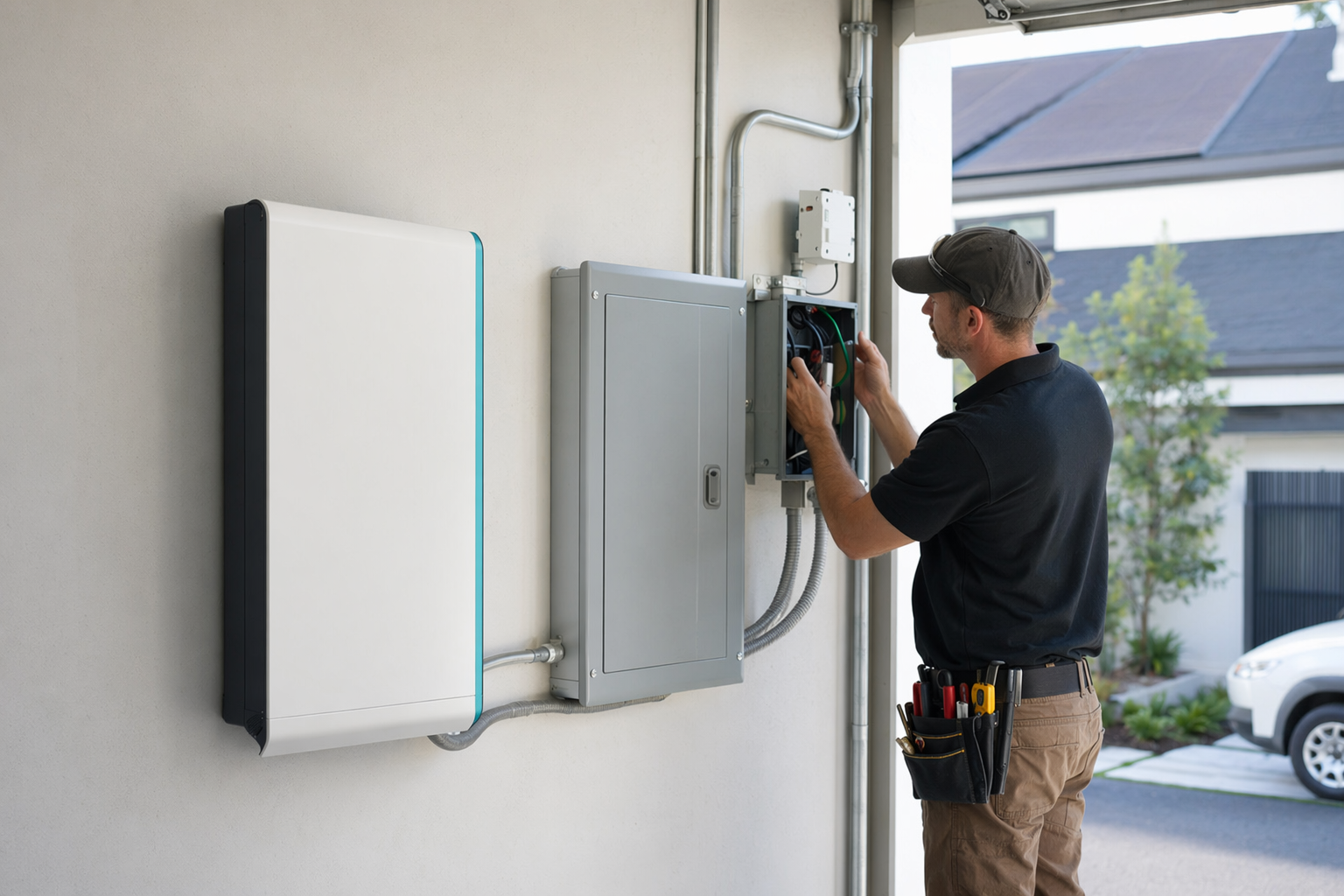
Why they considered a battery years after going solar
The family’s original solar setup was working as expected. It helped produce electricity during the day, and they were used to seeing lower grid use in sunny months. But over time, their questions changed. They were less focused on the panels themselves and more focused on what happened when the power went out or when evening electric use stayed high after sunset.
Like many homeowners, they assumed at first that solar panels alone would keep some things running during an outage. After reading more and speaking with installers, they learned that most standard grid-tied solar systems shut off during a blackout unless they were designed with battery storage and the right backup equipment. That was the turning point.
They were not trying to replace their existing system. They wanted to understand whether a battery could work with a roughly 7–9 kW solar array that had been installed years earlier, and whether it made sense to back up a few essentials or a larger share of the home.
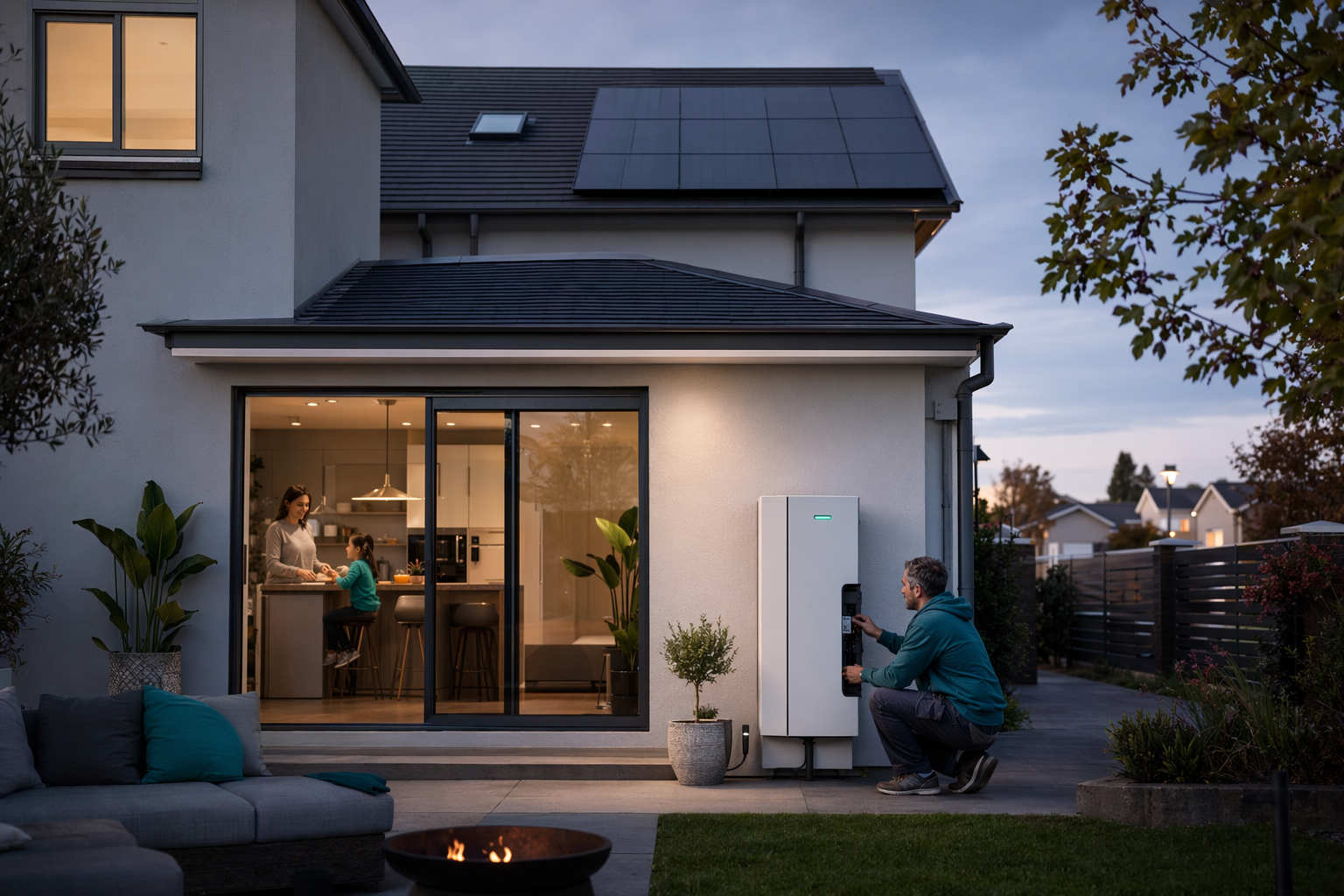
What they needed to find out before comparing quotes
Before they spoke with installers, the homeowner made a short list of practical questions. Not sales questions. Real-life questions about compatibility, backup expectations, and cost.
The biggest issues were:
- whether the older solar inverter and electrical setup could work with a new battery
- whether extra equipment would be needed for backup loads
- how much battery capacity, measured in kWh, would be appropriate
- how many hours of backup for essentials that capacity might provide in their home
- whether they wanted partial-home backup or something broader
This part matters because battery add-ons are not one-size-fits-all. A home with modest essential loads may get several hours of backup from one battery. A home with larger loads, medical equipment, well pumps, or stronger heating and cooling demands may need a different setup. Real pricing and performance depend on the roof, existing solar equipment, panel location, electrical service, battery size, and local rules and incentives.
The homeowner also wanted to know what would happen on cloudy days, whether the battery could recharge from solar during an outage, and how the installer would document exactly what circuits would be backed up.
How matching helped them compare local installers more clearly
Instead of calling random companies and trying to sort out technical claims alone, the homeowner used Voltariva’s free matching service to connect with licensed local installers. Voltariva did not design the system, quote the project, or recommend one installer over another. The goal was simply to help the homeowner start informed conversations with companies that work in their area.
That made the comparison process easier. One installer focused on a smaller battery sized for essentials like refrigeration, lighting, internet, and a few outlets. Another discussed a larger setup with more backup time and a broader load plan. A third pointed out that the older solar system might need additional hardware to integrate battery storage safely and correctly.
Seeing those differences side by side was useful. The homeowner could compare:
- proposed battery capacity in kWh
- expected backup approach for essentials versus more circuits
- whether existing solar equipment could stay in place
- warranty details and what labor was included
- who would handle permits, utility coordination, and inspections
You can read more homeowner stories at Stories or see the basic process at How It Works. The main lesson here was simple: different licensed installers may solve the same problem in different ways, and it helps to review those differences in writing.
What stood out in the final decision
In the end, the family did not choose the biggest battery option. They chose the proposal that seemed clearest about scope, electrical work, and backup expectations. It was designed around the circuits they actually cared about during an outage, not around a broad claim that the whole home would feel unchanged.
That included written details on which loads would be backed up, what kind of transfer equipment would be installed, how the battery would work with the older solar system, and what follow-up support looked like after installation. The homeowner also verified that the installer was properly licensed and insured and reviewed the equipment and workmanship warranties before moving forward.
This is one reason battery projects on older solar homes deserve a careful review. Two proposals can look similar on the surface but differ in important ways. One may include more electrical upgrades. Another may rely on assumptions about the existing system that should be confirmed before work starts. The homeowner treated the written scope, not the sales conversation, as the document that mattered most.
What other homeowners can learn from this story
If you already have rooftop solar and are now thinking about backup power, it is reasonable to start with questions, not assumptions. A battery can be a practical upgrade for some homes, but the right setup depends on what you want it to do. Some households want a few hours of backup for essentials. Others want more capacity, more circuits, or more flexibility during longer outages.
A good next step is to gather your existing solar paperwork if you still have it. That may include the original contract, equipment list, inverter model, permit information, or utility interconnection details. Older systems can often be evaluated for battery add-ons, but compatibility should be confirmed by a qualified professional.
When you compare bids, ask each installer to explain the same points in plain language:
- battery size in kWh
- estimated backup duration for your essential loads
- whether the battery can recharge from solar during an outage
- any needed upgrades to inverters, panels, or electrical equipment
- total scope, warranties, permits, and final price in writing
If you want help starting those conversations, you can Get Matched with licensed local installers through Voltariva at no cost. When you submit a request, you agree to be contacted about your project. You stay in control of the process: compare bids, ask questions, and choose the installer that fits your home and priorities.

In plain English
If you already have solar, adding a battery may be possible, but the smart move is to compare written proposals from licensed local installers and make sure the backup plan matches how your home actually uses power.
Always hire licensed, insured installers — and verify the license, insurance, and warranties yourself.
Common questions
Can a battery be added to an older solar system?
Sometimes, yes. It depends on the age of the system, the inverter and electrical setup, local code requirements, and the battery design proposed by the installer. A licensed installer should confirm compatibility.
How much battery capacity does a home usually need?
There is no single answer. Battery size is measured in kWh, and the right amount depends on which loads you want to back up and for how many hours. Some homes only back up essentials, while others want broader coverage.
Will a battery keep my whole house running during an outage?
Not always. Many battery systems are designed for selected essential loads, not every circuit in the home. Ask the installer to list exactly what will and will not be backed up.
What does Voltariva do in this process?
Voltariva is a free matching service. It helps homeowners connect with licensed local installers but does not sell, finance, design, or install solar, roofing, electrical work, or batteries.