How we've helped
A newcomer who compared three bids in their own language
One homeowner had recently moved to the U.S. and wanted rooftop solar, but the hardest part was not the equipment. It was understanding the bids, the terms, and what was actually included. This anonymized story shows how comparing three local quotes in their own language helped their family slow down, ask better questions, and choose with more confidence.
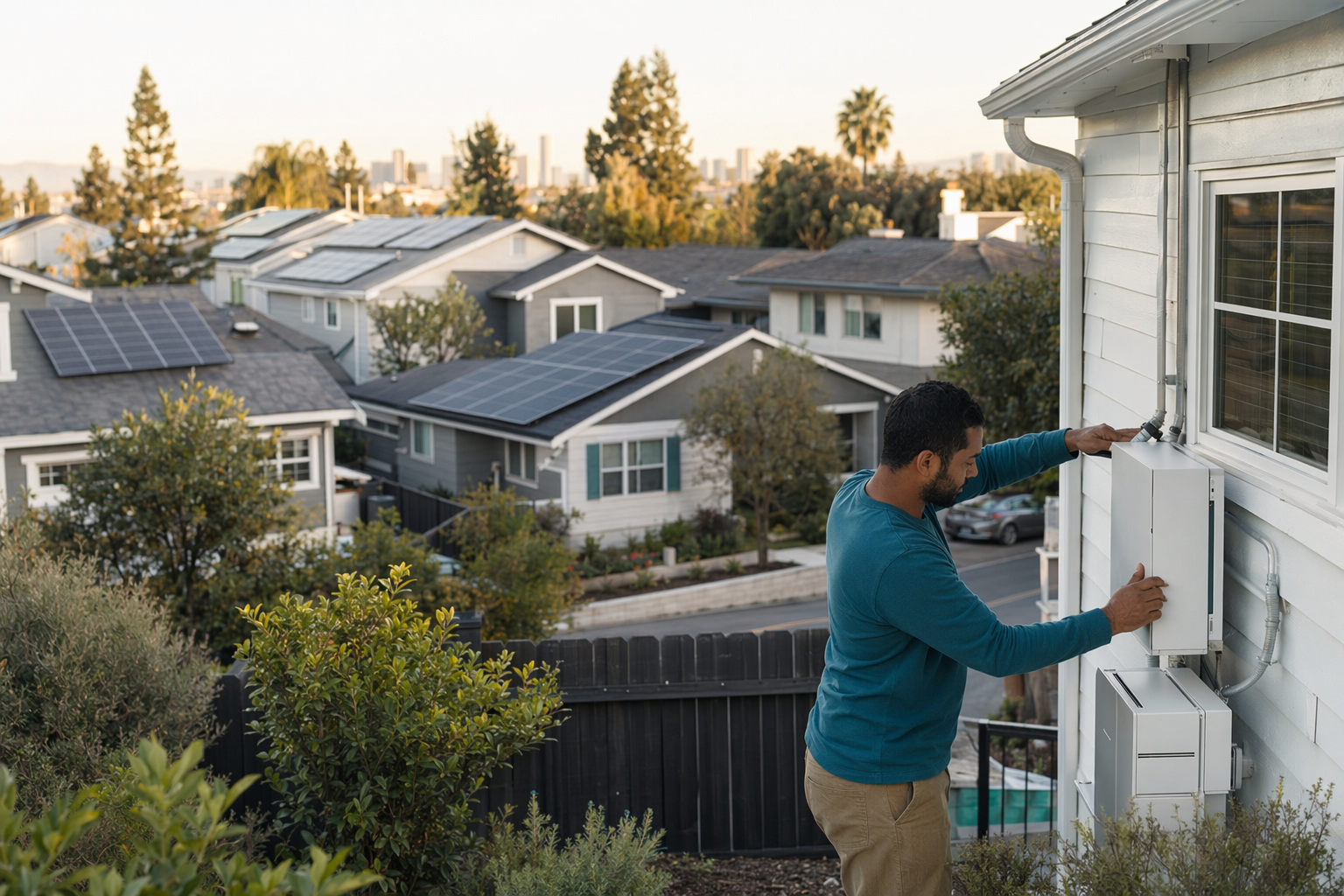
Starting with questions, not a sales pitch
A family in a new home wanted to learn whether solar made sense, but they were still getting comfortable with contracts, utility terms, and home repair vocabulary in English. They had seen online ads and heard advice from neighbors, but the information did not always match. Some people talked about a lower bill. Others talked about battery backup. The family mainly wanted clear explanations.
What helped first was treating the project as a home decision, not a rushed purchase. They wanted to know whether the roof was in good enough shape, what size system might fit, and whether a battery was worth considering for essential appliances during an outage. For their home, early conversations centered on a rooftop solar range of about 7–9 kW and an optional battery range of around 10–20 kWh, but they understood that real recommendations would depend on roof space, shade, panel layout, local rules, and household goals.
They also wanted someone to explain the process in the language they were most comfortable speaking at home. That did not make the project simpler, but it made the questions clearer. Instead of nodding along to unfamiliar terms, they could stop and ask what each line item meant.
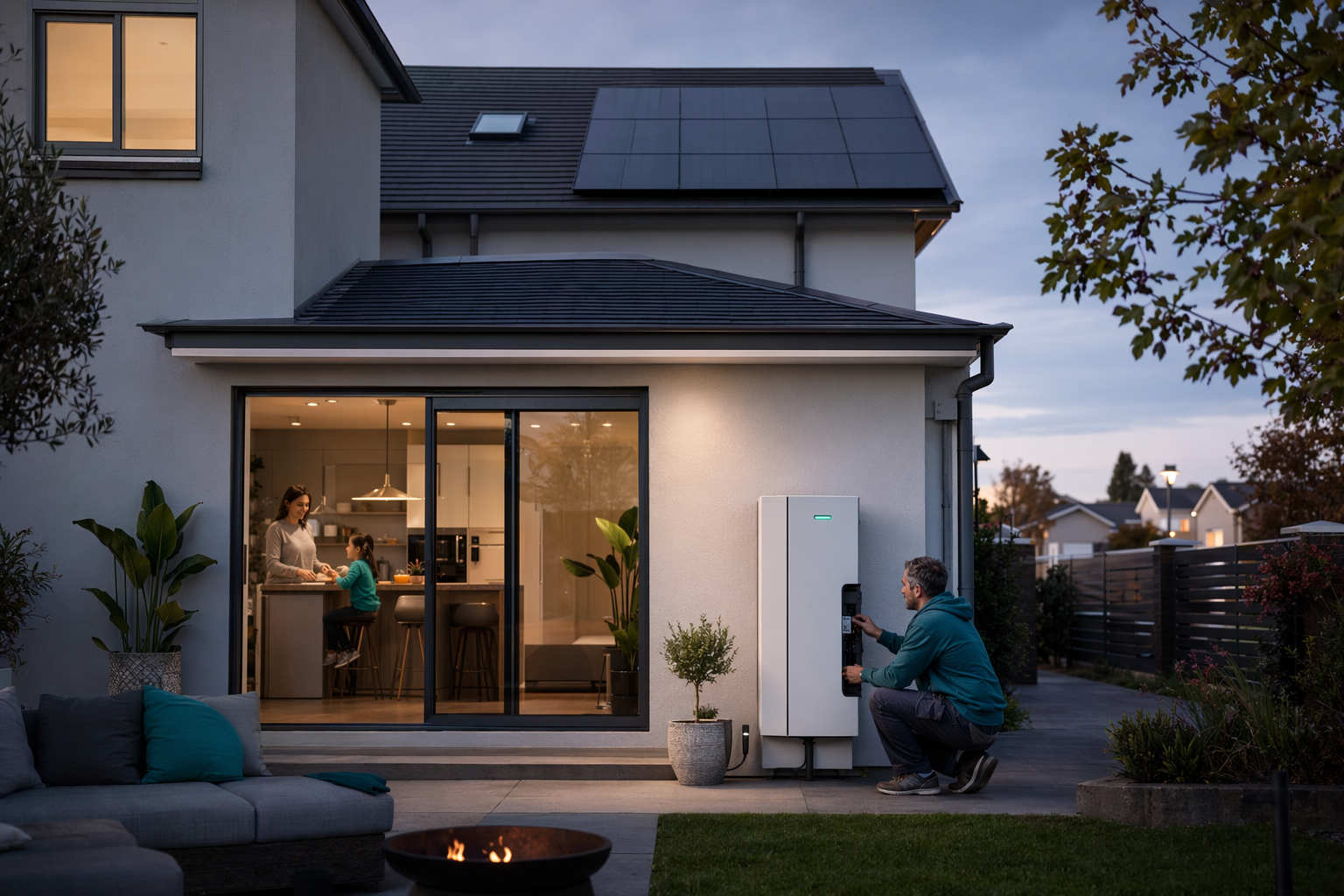
Why comparing three bids mattered
The family chose to compare three bids from licensed local installers instead of relying on the first quote they received. That gave them a better view of what was normal in their area and what needed a closer look. The quotes were not identical. System size estimates varied slightly. Equipment lists were written differently. One proposal included more roof-related notes. Another spent more time on battery backup for essentials.
Seeing multiple bids side by side helped them notice that the lowest number on the page was not always the simplest choice. One quote appeared lower at first, but some details were vague. Another included more information about electrical work, monitoring, and workmanship warranty terms. A third had a clear explanation of expected backup use, such as keeping a refrigerator, lights, internet equipment, and a few outlets running for several hours, depending on battery capacity, home loads, and outage conditions.
This is where a free matching service can be useful. Voltariva does not install, finance, or design systems. It helps homeowners connect with licensed local installers so they can compare bids and ask questions in a calmer, more organized way. If you want to see the steps, how it works explains the process.
What they asked each installer
The family did not try to become solar experts overnight. They focused on a short list of practical questions and asked all three installers the same things. That made the answers easier to compare.
They asked about:
- Whether the roof looked ready for solar now, or whether repairs might be smarter first
- The proposed system size in kW and why that size was recommended
- Whether battery backup was optional, and if so, how many kWh were proposed
- What the battery could realistically support during an outage, in terms of essential loads and approximate hours of backup
- What equipment and workmanship warranties were included, and where those details would appear in writing
- Whether permits, utility paperwork, and inspection steps were included in the scope
- Whether the installer was licensed and insured in their area
Asking the same questions in their preferred language made a real difference. It reduced misunderstandings around scope, timing, and responsibilities. It also helped the family feel more comfortable saying, "Please explain that another way," instead of agreeing to something they did not fully understand.
That matters because the homeowner is the decision-maker. The family knew they would need to confirm equipment, scope, warranty terms, project timeline, and final price in writing before work started. Comparing bids was not just about cost. It was about clarity.
How they narrowed the choice
After reviewing all three proposals, the family did not pick based on one headline number. They looked for the bid that was easiest to understand and easiest to verify. The installer they leaned toward clearly listed the proposed array size, noted roof condition concerns, and separated optional battery backup from the base solar proposal so the family could compare both paths.
They also appreciated that the installer did not overpromise. There was no claim of a guaranteed bill outcome, no vague statement that the battery would run the whole home, and no pressure to decide immediately. Instead, the proposal explained that actual results depend on the roof, shading, system size, equipment, utility rates, household usage, and available incentives. That made the conversation feel more grounded.
Before moving forward, the family asked for license and insurance information and reviewed the written warranty details. They also asked one last practical question: if roof work became necessary, how would that affect the solar schedule? That helped them avoid treating the roof and the solar system as separate decisions when the two were connected.
For homeowners who are early in the process, get matched can be a simple way to start comparing local options without paying a fee to use the service.
What other newcomers can take from this story
This story is not about finding a perfect bid. It is about creating a fair comparison. For this family, the biggest benefit was being able to ask questions in their own language and hear clear explanations from licensed local installers. That changed the process from confusing to manageable.
One homeowner or family may end up with a smaller or larger kW system, may choose to skip battery backup, or may decide to handle roof work first. Another may prioritize outage planning and ask for 10–20 kWh of battery storage to cover essential appliances for a limited number of hours. There is no single right setup for every home.
What does carry over from this story is the method:
- Compare more than one bid
- Ask each installer the same questions
- Verify license, insurance, and warranty details
- Make sure roof-readiness is part of the discussion
- Confirm scope, equipment, and pricing in writing before work begins
If you want more homeowner examples, visit stories. And if you submit a request through Voltariva, matching is free, and you agree to be contacted so you can speak with local installers and compare your options.

In plain English
If solar feels confusing, comparing a few written bids in the language you understand best can help you ask better questions and make a steadier decision.
Always hire licensed, insured installers — and verify the license, insurance, and warranties yourself.
Common questions
Why is comparing three bids helpful?
It helps you see what is consistent, what is different, and which proposal is actually clear. You can compare system size in kW, battery size in kWh, roof notes, warranties, and scope instead of relying on one sales conversation.
Can Voltariva tell me which installer to choose?
No. Voltariva is a free matching service, not an installer. It helps you connect with licensed local installers, but you compare the bids, ask questions, verify details, and choose what fits your home.
Can a battery back up my whole home?
Sometimes, but not always. Many homeowners use battery backup for essential loads like refrigeration, lighting, internet equipment, and a few outlets. The number of hours depends on battery capacity in kWh and how much electricity those loads use.
What should I verify before signing anything?
Confirm the installer is licensed and insured, review equipment and workmanship warranties, and make sure the written proposal clearly lists the scope, system size, battery option if any, project steps, and total price.