How we've helped
A family who wanted backup power after repeated storm outages
After several storm-related outages, one homeowner started looking for a practical way to keep the basics running at home. This anonymized story shows how a family used Voltariva’s free matching service to compare licensed local installers for rooftop solar, battery backup, and roof-readiness without feeling rushed.
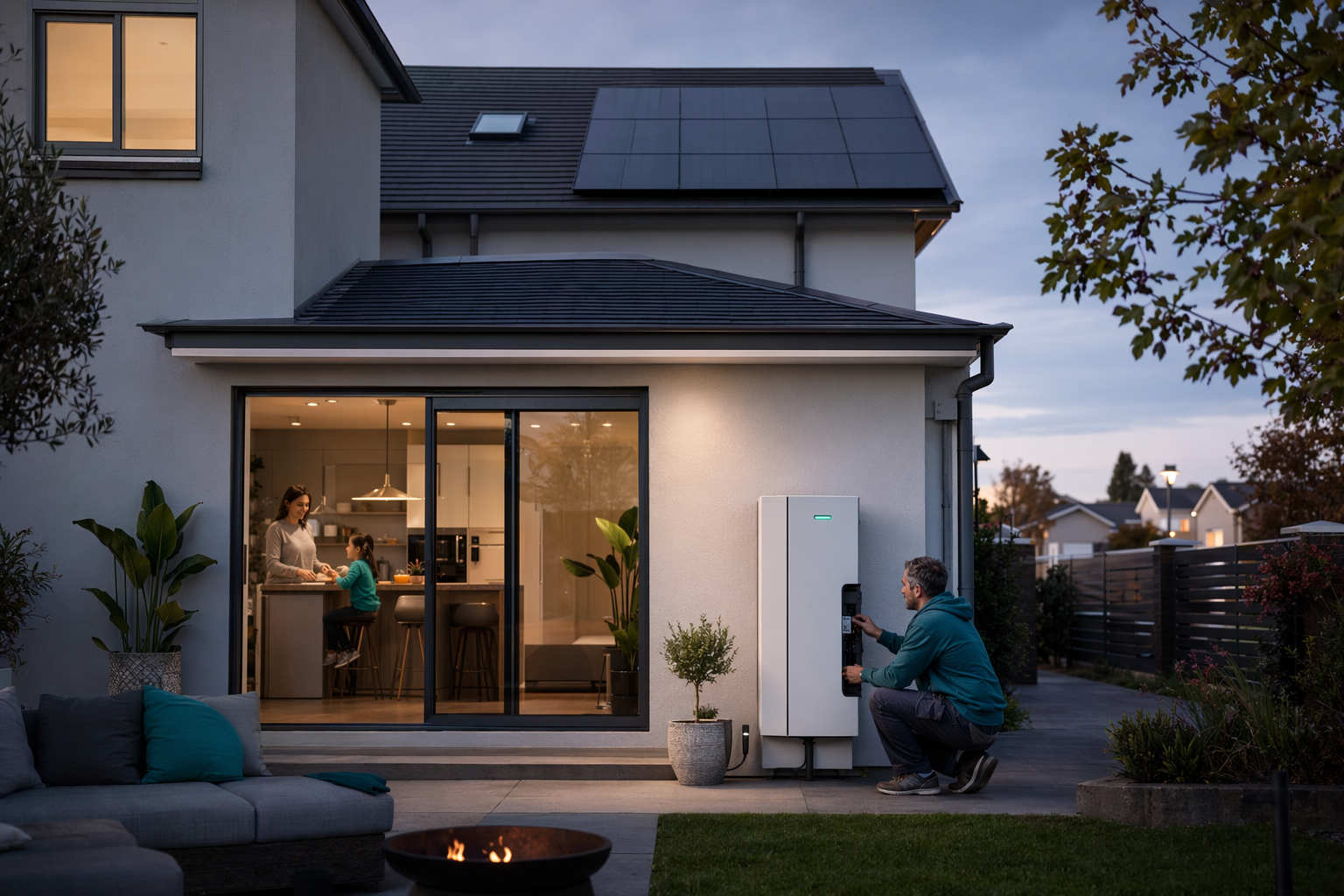
Why backup power mattered to this family
This family did not begin with solar because of a sales pitch. They began because the power had gone out more than once during bad weather, and each outage created the same problems: refrigerated food at risk, phones running low, a dark house after sunset, and uncertainty about how long service would be down.
What they wanted was not whole-home backup for every appliance. Their first goal was simpler: keep essential circuits running for a reasonable amount of time. That meant things like the refrigerator, some lights, internet equipment, phone charging, and in some cases a fan, medical device, or garage door opener.
They had also heard mixed advice from friends and online ads. Some messages made battery backup sound easy and universal. Others made it sound too expensive to consider. The family wanted a calmer, more local reality check from licensed installers who could look at their roof, electrical setup, and outage needs.
Because Voltariva is a free matching service, not an installer, the homeowner used it to get connected with local companies to discuss options. The point was not to be sold a fixed package. It was to compare what different professionals said about system size, battery capacity, roof condition, warranties, and expected backup performance.

What they needed to figure out first
Before talking seriously about equipment, the family had to answer a few practical questions. The first was how much backup they actually needed. A battery is measured in kWh, and backup time depends on what is connected to it. Running a refrigerator, lights, Wi-Fi, and device charging for several hours is very different from trying to power central air, electric heating, or every large appliance in the house.
The second question was whether the roof was ready. Their roof was not brand new, but it was not at the end of its life either. That mattered because a solar system sized around 7–9 kW and paired with a battery in the 10–20 kWh range can stay in place for many years. The homeowner did not want to install panels and then deal with roof work soon after.
The third question was budget. They understood early that real pricing varies. It depends on roof shape, shading, panel layout, electrical work, battery size, local labor, equipment, and available incentives. No honest installer could give a reliable price without reviewing the home. That helped them ignore broad claims and focus on written proposals instead.
If you are at this stage yourself, how it works explains the basic matching process. The useful part for this family was hearing how different local installers approached the same house and the same outage concerns.
What local installers explained during the comparison
Once matched, the homeowner spoke with more than one licensed local installer. That comparison mattered. One company focused on a smaller solar array with battery backup only for a short list of essential loads. Another discussed a slightly larger system and whether battery capacity should be increased if the family wanted longer backup or more circuits included.
The conversations helped the family understand a key point: solar and battery backup are related, but they are not the same thing. A rooftop solar system in the 7–9 kW range may help produce electricity over time, but outage performance depends heavily on the battery setup, transfer equipment, load selection, and how much sunlight is available during and after the storm. The family appreciated that the better proposals did not blur those differences.
They also learned to ask for details in writing, including:
- Which circuits would be backed up
- Battery capacity in kWh
- Whether backup was for essentials only or a broader set of loads
- Approximate backup duration for those essentials under typical use
- Whether the roof needed repair before installation
- Equipment and workmanship warranty terms
- Proof of license and insurance
This part gave the homeowner more confidence than any advertisement could. Instead of trying to decode vague promises, they were comparing scope, equipment, and assumptions. That made it easier to ask informed follow-up questions and avoid surprises later.
How they narrowed it down
As the bids came in, the family did not choose based on the lowest number alone. They looked for the clearest explanation of what the system would and would not do during an outage. One proposal sounded attractive at first, but the backup scope was vague. Another was more detailed about essential loads, battery capacity, installation steps, and what conditions might limit performance.
They also paid attention to roof-readiness. One installer recommended addressing a roof issue first so the homeowner would not have to remove and reinstall panels later. That was not the answer the family had hoped for, but it was useful. A good match is not just about hearing yes. It is about getting honest local feedback before signing anything.
In the end, the homeowner moved forward with the installer whose proposal best matched their real priorities: reliable backup for essentials, clear documentation, and a realistic explanation of system limits. Voltariva did not select the company for them or handle the project. The homeowner made the decision after comparing bids and verifying license, insurance, equipment details, warranties, and final price in writing.
If you want to read more anonymized examples, see stories. If you are ready to compare local options, you can get matched. Matching is free, and when you submit a request, you agree to be contacted by participating providers.
What this family’s experience can help others avoid
One useful lesson from this story is that backup planning gets easier when you start with essentials, not everything. Many homeowners first imagine whole-home backup, then discover that their actual need is more specific. Defining priorities can make installer conversations clearer and help you compare battery options in a more realistic way.
Another lesson is that broad claims are less helpful than a written scope. The family found it easier to compare proposals when each installer explained system size in kW, battery storage in kWh, and estimated backup time for a defined list of essential loads. That did not create certainty about every outage, but it made the tradeoffs much easier to understand.
A third lesson is that roof condition matters more than many people expect. Even a strong battery proposal may not make sense if roof work should happen first. A local, licensed installer can help evaluate whether it is smarter to repair or replace roofing before any solar installation is considered.
Most of all, this family benefited from slowing the process down just enough to compare honestly. No one could promise a specific bill result, exact outage duration, or universal solution. But by hearing from licensed local installers and checking details carefully, they were able to make a decision that fit their home, their storm concerns, and their comfort level.
In plain English
This family got clearer about backup power by comparing licensed local installers, focusing on essential needs, and reviewing the roof, battery size, and written scope before deciding.
Always hire licensed, insured installers — and verify the license, insurance, and warranties yourself.
Common questions
Can a home battery run the whole house during an outage?
Sometimes, but not always. It depends on battery capacity in kWh, which circuits are included, and how much electricity the home uses. Many homeowners choose backup for essential loads rather than every appliance.
Do I need rooftop solar to get battery backup?
Not always. Some homes add battery backup without solar, while others pair both. Local installers can explain what makes sense for your roof, electrical setup, and outage goals.
How much does a solar-plus-battery setup cost?
There is no one price. Costs vary based on system size in kW, battery size in kWh, roof condition, electrical work, equipment, local labor, and incentives. Ask for written proposals and compare scope carefully.
What does Voltariva do in this process?
Voltariva is a free matching service. It helps homeowners connect with licensed local installers so they can compare options, ask questions, and choose who to work with.