Systems
Inverters & system monitoring
The inverter is the part of a solar setup that turns roof-generated electricity into power your home can use, and the monitoring app is what lets you see whether the system is producing normally. If you are comparing solar options, it helps to understand the basic inverter types, what the monitoring screen can and cannot tell you, and what to confirm in writing before installation.
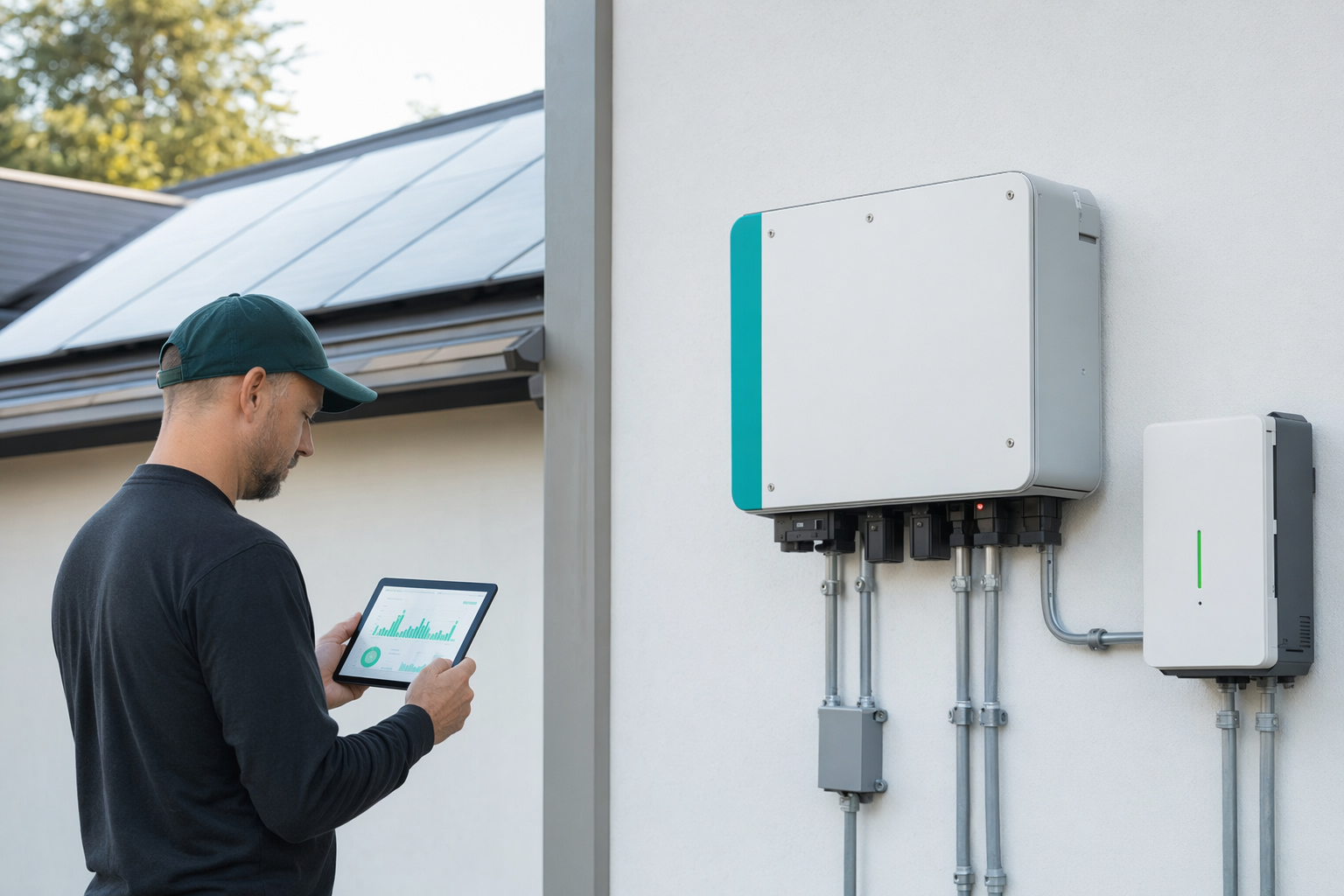
What the inverter does
Solar panels make direct current electricity, often called DC. Your home uses alternating current, or AC. The inverter converts that DC power into usable AC power and helps the system operate safely.
In many homes, the inverter also works with system controls that track panel output, report faults, and in some cases coordinate with a home battery. If you add battery backup, there may be one inverter, more than one inverter, or a separate battery inverter depending on the equipment design.
This matters because the inverter affects how the system performs, how much detail you get in monitoring, and what happens if one panel is shaded or underperforming. It is one of the main equipment choices to compare when you review systems.
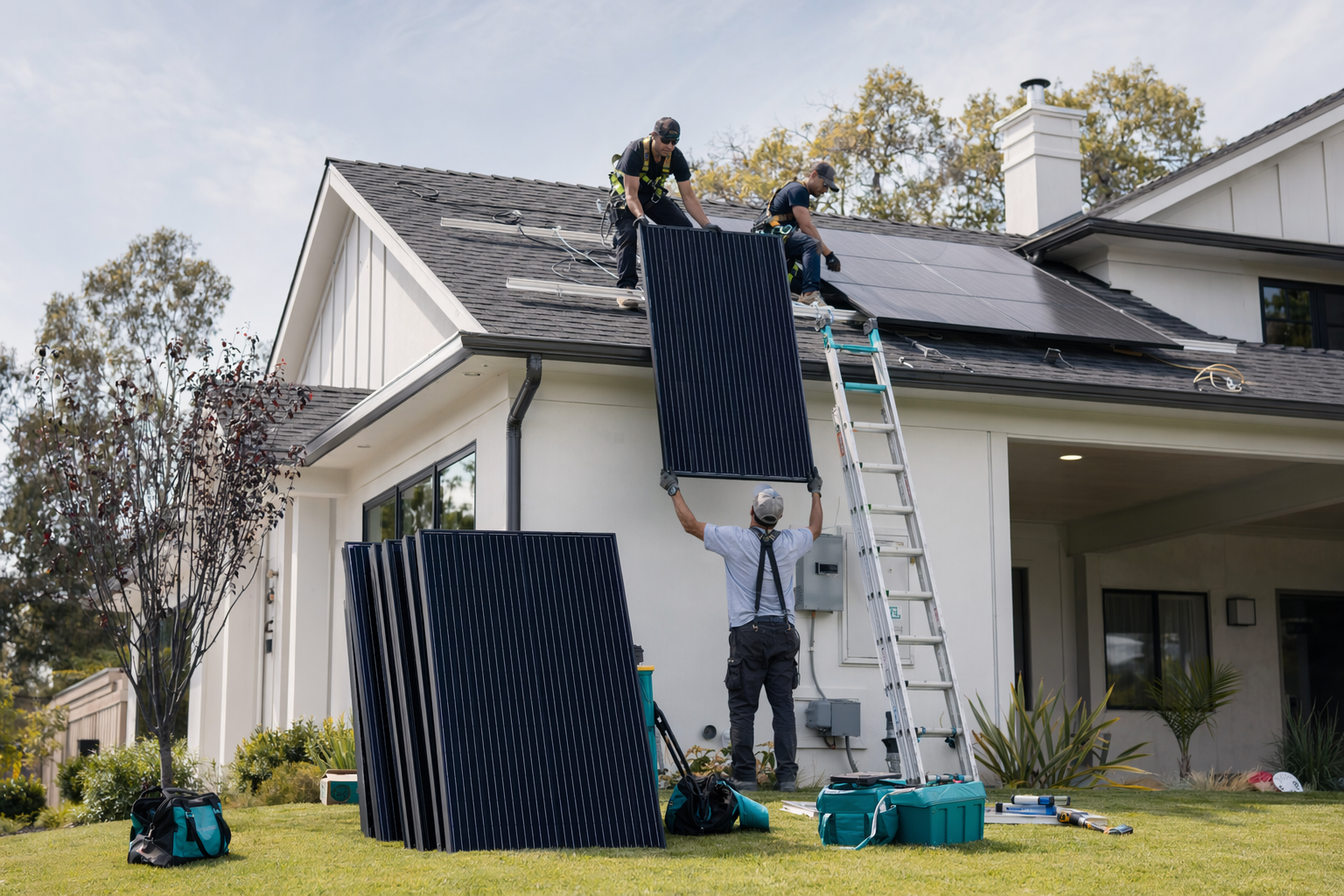
String inverters vs microinverters
A string inverter usually connects a group of panels together. It is a common option and can be a good fit on simple roofs with little shade. In many cases, it can cost less than panel-level equipment, but performance depends more on how evenly the panels receive sunlight.
Microinverters are small inverters attached at or near each panel. Because each panel operates more independently, they are often considered for roofs with multiple angles, partial shade, or panel groups that may perform differently during the day.
Neither type is automatically better for every house. The right fit depends on roof shape, shading, panel layout, system size in kW, local code requirements, and whether a battery is part of the plan. Ask each installer to explain why they recommend one option for your roof specifically.
You can also ask how future service works. For example:
- What equipment is on the roof versus on the wall
- What monitoring comes with the system
- How faults are reported
- What labor and equipment warranties apply
- Whether battery integration changes the inverter setup
How monitoring helps you
Monitoring gives you a window into how the system is working. Most homeowners mainly want to know three things: is the solar system producing, is the battery charging or discharging, and is there an error that needs attention.
A typical monitoring app may show daily, monthly, and yearly production, plus battery state of charge if a battery is installed. Battery capacity is measured in kWh, and backup is usually best discussed in terms of how many hours it may run essential loads, not the whole home. Real backup time depends on what is turned on.
Monitoring is useful, but it is not magic. It may not explain every issue on its own. A drop in production could be caused by weather, shade, dirt, a tripped breaker, internet problems, or equipment trouble. If you are comparing proposals, ask what level of monitoring is included and whether panel-level visibility is available.
If your goal is resilience during outages, ask the installer to show you exactly which circuits would be backed up, how much battery capacity in kWh is proposed, and a realistic range of backup hours for essentials such as refrigeration, some lights, internet, and device charging.
What to look for in a proposal
When you review bids, look beyond the panel count. The inverter and monitoring details should be listed clearly, along with the system size in kW, whether battery equipment is included, and how the battery will operate during an outage.
Ask for a written scope that covers:
- Inverter type and quantity
- Monitoring features included with the system
- Estimated solar system size in kW
- Battery capacity in kWh, if any
- Which loads or circuits are planned for backup
- Equipment warranties and labor warranty terms
- Who handles permitting, utility paperwork, and commissioning
- What service support looks like after installation
It is also reasonable to ask whether the roof is ready for the project. If the roof may need work soon, it is better to discuss that before installation. A licensed, insured local installer should be willing to explain tradeoffs in plain language and put the final scope, equipment, warranties, and price in writing before work starts.
If you want help getting started, Voltariva offers a free way to get matched with licensed local installers. Voltariva is not an installer, and when you submit a request you agree to be contacted about your project.
Common tradeoffs and a practical example
One homeowner had a roof with two main sections and some afternoon shade from nearby trees. One bid suggested a simple inverter setup. Another suggested panel-level equipment and more detailed monitoring. The lower-price option looked appealing at first, but the homeowner asked each installer to explain how shading, fault reporting, and future battery plans would affect the design.
In that kind of situation, the best choice is not always the cheapest equipment or the most feature-heavy package. It depends on how the roof behaves, how much monitoring detail matters to you, and whether you expect to add battery backup later. Costs can vary widely based on system size in kW, battery size in kWh, roof complexity, and local labor and permitting conditions. You can read more about typical price ranges on costs.
A good next step is to compare at least a few written bids side by side. Check that each installer is licensed and insured, ask who will do the work, and confirm the exact inverter model, monitoring access, warranty coverage, and outage-backup plan in writing. That makes it easier to judge real differences instead of guessing from marketing terms alone.
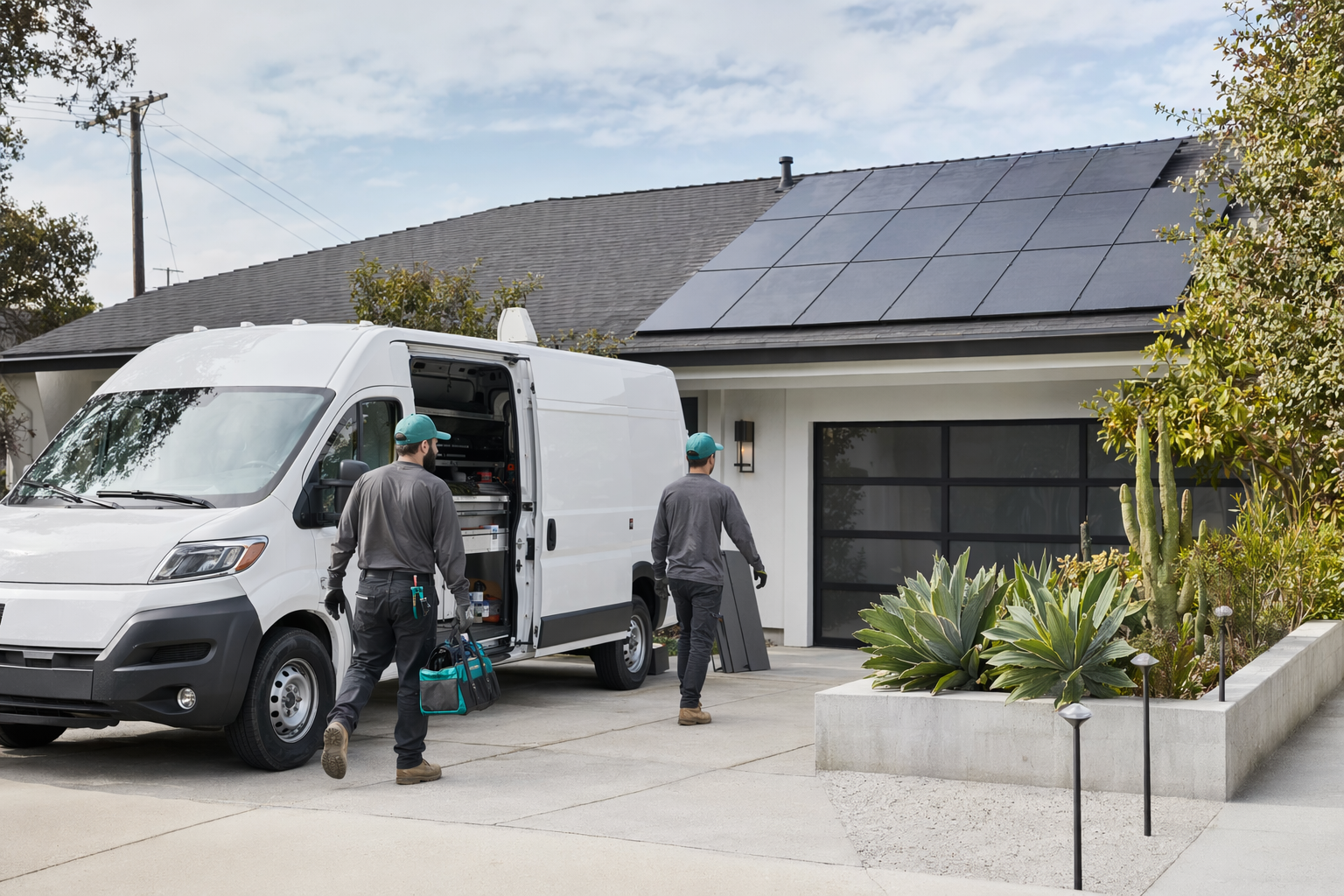
In plain English
The inverter makes solar power usable, the monitoring app helps you see whether the system is working, and the right setup depends on your roof, shade, battery plans, and the details in the written bid.
Always hire licensed, insured installers — and verify the license, insurance, and warranties yourself.
Common questions
Does every solar system have an inverter?
Yes. Solar panels produce DC electricity, and a home uses AC electricity, so the system needs inverter equipment to convert power into a usable form.
Are microinverters always better than string inverters?
No. Microinverters can help on some roofs, especially with shade or multiple roof angles, but a string inverter can also be a solid choice on simpler roofs. The right fit depends on the layout and design goals.
Can monitoring tell me exactly why production changed?
Not always. Monitoring can show trends, alerts, and battery status, but weather, shade, internet issues, electrical faults, and other factors can all affect what you see.
If I add a battery, will the whole house stay on during an outage?
Not necessarily. Many battery setups back up selected essential loads. Ask how much battery capacity in kWh is included and which circuits are planned for backup.