Free downloads
Roof-readiness checklist for solar
Thinking about rooftop solar is easier when you can look at your roof, your electric use, and your backup goals in one place. This free checklist helps you organize the basics before you talk with any local installer, so you can ask better questions and compare bids with less guesswork.
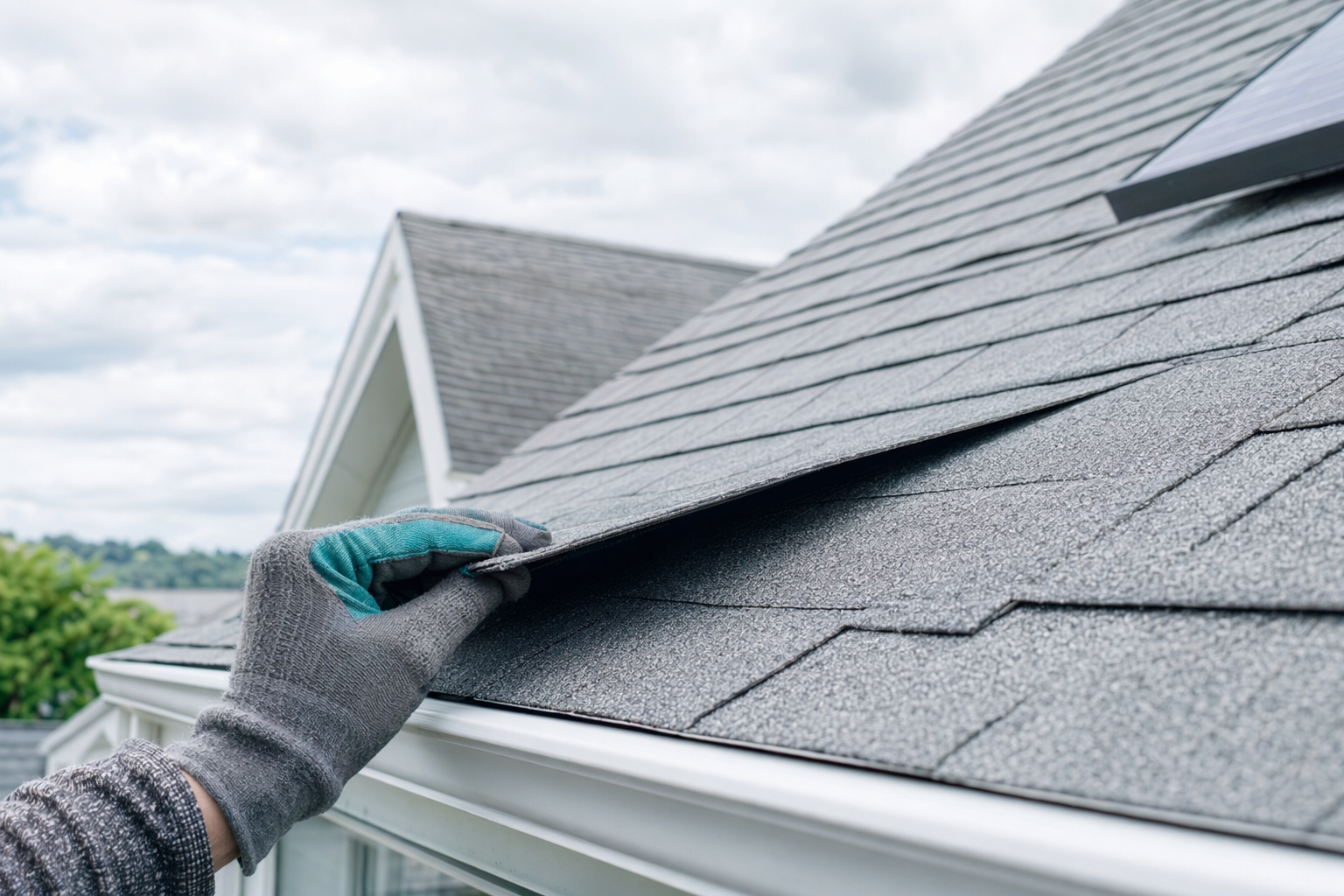
What the checklist covers
This download is a simple worksheet for homeowners who want to know whether their roof may be a good candidate for solar, and whether adding a home battery is worth discussing. It is not a design, quote, or inspection. It is a planning tool you can use at your own pace.
Inside, you will find prompts to review the main things that usually affect a solar project: roof age, roof condition, shading, available roof space, electric bills, main service panel notes, and whether you want battery backup for essentials during outages. It also includes space to write down what each installer says, so you can compare answers side by side.
The checklist uses real-world categories instead of sales language. For example, it asks about solar system size in kW, battery capacity in kWh, and how many hours you want to run essentials like the fridge, internet, a few lights, or medical devices. That helps keep your conversations grounded.
If you are still early in your research, you can also browse other plain-language resources in our guides or see more homeowner worksheets in tools.

How to use it before you request bids
Start with what you already know. Pull out a recent electric bill, note your average monthly usage if it is listed, and walk around your home to check the roof from the ground. If you know the roof was replaced recently, write down the year. If you are not sure, just mark it as unknown. The point is to collect a clean starting picture, not to guess.
Next, use the roof section to note anything that could affect solar placement or timing. Common examples include:
- older shingles or visible wear
- sections of roof with heavy shade from trees or nearby structures
- roof features such as vents, skylights, chimneys, or dormers
- limited south-, west-, or east-facing space
- signs that the roof may need repair before solar is installed
Then fill out the battery section if backup power matters to you. Instead of assuming you need "whole-home backup," the worksheet helps you list your priority loads. Many homeowners start with essentials, such as refrigeration, internet, phone charging, a few outlets, lighting, garage access, or certain medical equipment. That makes it easier to discuss battery options in a realistic way.
When you feel ready, you can use your notes as a starting point if you choose to get matched with licensed local installers through Voltariva. Matching is free, and when you submit a request, you agree to be contacted so you can continue the conversation.
What it can help you ask installers
A good checklist does not replace an installer visit, but it can help you ask clearer questions. Bring it to every call or appointment and write answers in the same place. That makes it easier to compare scope, equipment, timeline, warranties, and roof-related recommendations.
Some useful questions the worksheet prompts you to ask include:
- Is my roof likely ready for solar as it is, or should I have a roofer evaluate it first?
- What solar size range in kW are you considering for this roof, and why?
- If I want backup, what battery capacity range in kWh would cover my essentials, and for about how many hours under typical use?
- Will any roof work, panel upgrades, or tree trimming affect the project scope?
- What equipment is included, and what warranties apply to workmanship, roofing penetrations, and hardware?
- Are you licensed and insured for this work in my area?
This matters because bids can look similar at first glance while covering very different things. One proposal may include electrical upgrades or a battery-ready setup, while another may not. One may recommend waiting until roof work is completed. The worksheet helps you slow down and confirm those differences in writing.
Voltariva is not a contractor, and we do not sell, finance, design, or install systems. Our role is to help homeowners understand the basics and, if they want, connect with licensed local installers. You stay in control of who you speak with, what bids you compare, and whether any project moves forward.
Who this download is for
This checklist is for homeowners who want a calmer starting point. It is especially useful if you are in the early research stage, if you have an older roof and are unsure whether solar should wait, or if you want battery backup but do not yet know how to define your needs.
It is also designed to be more accessible for households that prefer plain language over technical jargon. The download is available in 10 languages so more homeowners can review the basics with family members before speaking with installers. That can make the process feel more manageable and less rushed.
A few important limits to keep in mind: the checklist cannot tell you exact pricing, bill impact, incentive value, or the right equipment for your home. Real project details depend on the roof, usable space, system size, battery size, equipment, local utility rules, and available incentives. Final decisions should be based on written proposals and on-site evaluation.
Before signing anything, compare bids carefully and verify that the installer is licensed and insured. Ask for the full scope of work, equipment list, warranty details, and total price in writing. If roof work is involved, confirm exactly who is responsible for that portion and how any roof warranties are handled.

In plain English
Use this checklist to get organized, spot roof questions early, and have clearer conversations with licensed local installers before you decide anything.
Always hire licensed, insured installers — and verify the license, insurance, and warranties yourself.
Common questions
Is this checklist really free?
Yes. The download is free for homeowners through Voltariva.
Does the checklist tell me if my roof definitely qualifies for solar?
No. It helps you organize what to check and what to ask, but only a qualified, licensed installer or roofing professional can evaluate your home and confirm project suitability.
Will it show exact system size, battery size, or price?
No. It helps you prepare for those conversations. Actual recommendations and costs vary based on the roof, usable space, electric use, equipment, local rates, and incentives.
Do I have to talk to an installer to download it?
No. You can use the checklist as a standalone planning tool. If you later request matching through Voltariva, the service is free and you agree to be contacted when you submit your request.